The Nominal Cost Distillery Start-Up Plan
Launch your distillery business economically
Commence your distillery operations with bottling – a clever strategy
Launching a distillery need not involve a hefty investment in a big plant, a lot of machinery, or a long maturation period for your spirits.
Embarking on your spirits venture can be smarter and less costly if you start with bottling.
Core Elements of the Bottling Process.

Here’s what you need to kickstart your distillery:.
Ethanol: Essential for your spirits, the importance of high-quality ethanol cannot be overstated.
Softened Drinkable Water: Make certain that the water you blend with is potable and softened to enhance the taste.
Prestige Flavoring Essences: Acquire different essences from distillery-yeast.com to produce a spectrum of spirits, from artisanal to industrial quantities.
Bottles: Prefer PET plastic bottles for reduced shipping expenses and their lasting quality.
Caps, Labels, and Boxes: Vital for the containment, identification, and distribution of your products.
Area for Production and Devices
Starting with a simple production space is adequate. Contemplate renting a facility or outsourcing the production work.
Necessary equipment includes a mixing tank with a stirrer, an uncomplicated filling apparatus, a manual cap fastener, and a straightforward labeling device—or hand-application of labels is also an option.
Product storage can be hassle-free by employing the services of a third-party logistics warehouse or by using space available at your home.
Check out the full story at Frugal Foundations for Your Distillery

Steady EU and UK Sales of Non-Alcoholic Vodka: A Deep Dive
In recent years, the European Union (EU) and the United Kingdom (UK) have observed a huge increase in the sales of non-alcoholic vodka. This new trend is altering the beverage industry, since increasingly consumers choose alcohol-free alternatives that do not compromise the essence of their favorite spirits. In this exhaustive exploration we’ll look into the world of non-alcoholic alcohol, learning what it is and how it’s gained immense traction.
What exactly is Non-Alcoholic vodka?
Non-alcoholic vodka, also referred to as “alcohol-free vodka” or “spirit alternative,” is a beverage intended to mimic the taste and aroma of traditional vodka but without the alcohol content. It’s created with a blend of herbs, plants, along with other flavouring ingredients which closely replicate the taste and characteristics of traditional vodka. It’s an alcohol drink that delivers the typical vodka taste without the intoxicating effects.
The Appeal of Non-Alcoholic Vodka
The surging interest in non-alcoholic vodka can be attributed to many factors. The first is that the health and wellness trends sweeping across the EU and UK has prompted people to make more informed choices with regards to their drinks. Non-alcoholic vodka fits perfectly with these new trends, and allows consumers to enjoy the flavors of vodka without having the negative health impacts associated with alcohol consumption.
Additionally, the younger generations that include Millennials as well as Generation Z, are driving this trend. They are aware of their health and increasingly opting for non-alcoholic options. As a result, non-alcoholic vodka is now an increasingly popular choice for a growing segment of the populace.
Recent market data support this trend, showing an impressive increase in retail sales of non-alcoholic liquors, including vodka substitutes. People are constantly seeking these products, both in physical stores and online, in search of satisfying alternatives to traditional alcoholic drinks.
When we get to the end of our exploration for the next section, we’ll examine the factors driving the growth of non-alcoholic spirits in the EU as well as the UK. In the next section we’ll reveal the essential significance of health and health trends in the emergence of popularity of this distinctive alternative spirit.
The Appeal of Non-Alcoholic Vodka
The appeal of non-alcoholic vodka comes in many forms and appeals to consumers who are becoming increasingly conscious of their health and conscious of their drinking consumption habits. Let’s have a closer analysis of why this trend is becoming popular.
Well-being and Health Trends
The movement towards health and wellness has seen a significant increase in recent times. The general public is becoming aware of the impact on their health from their choices for food which includes the beverages they consume. This awareness has led to an enlightened shift in lifestyles that have many looking for alternatives that let them taste the foods they love and not compromise their health.
Non-alcoholic vodka is a perfect fit for this mentality of health. It is a great option for those who would like to take pleasure in the flavor of vodka cocktails without the detrimental harms that alcohol has on your health. The trend is spreading to many different types of consumers including fitness enthusiasts who want to keep their active lifestyles to those who want to improve their health by making healthier choices.
Statistics and Data
Recent market research and surveys in both the EU and UK reveal the increasing demand for non-alcoholic drinks. Consumers aren’t only keen on these brands but are actively incorporating them into their lives. Studies show that there is a steady growth in the sales and consumption of spirits, including non-alcoholic vodkas and alternatives.
In the following section we’ll examine how shifting consumer preferences, particularly among younger generation, contribute to the rise of non-alcoholic spirits in the market.
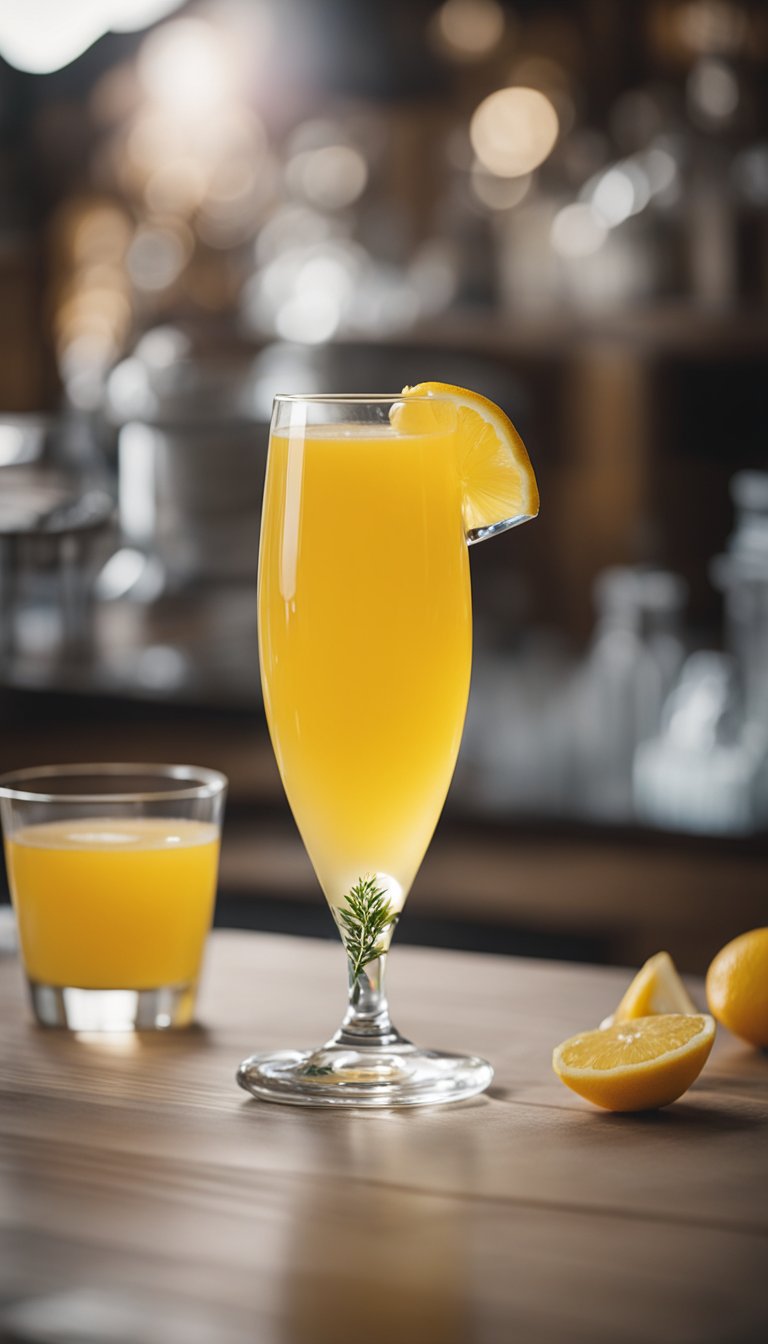
Non-Alcoholic Vodka is a Game Changer for those who are health conscious.
In the prior section, we delved into the subject of non-alcoholic spirits, learning the reasons behind why it’s gaining immense popularity in it’s home countries of the European Union (EU) and the United Kingdom (UK). As we continue our examination of this intriguing trend we’ll now turn our attention on the reasons behind the expansion of non-alcoholic vodka around these locations. Particularly, we’ll investigate the crucial role played by health and wellness trends in the rising popularity of this distinctive spirit substitute.
Revolution in Health and Wellness Health and Wellness Revolution
The growth of non-alcoholic vodka throughout the EU and UK can be traced to the movement towards health and wellness which is taking over the beverage industry. Consumers, particularly Millennials and Generation Z, are increasingly conscious of their health and have made more mindful choices about their drinks.
A Healthier Alternative
Non-alcoholic vodka provides a compelling option for individuals who want to experience the flavor of vodka without the negative health risks associated with drinking alcohol. This is in perfect harmony with overall trend of health and wellness that are attracting people to alternatives to have fun without compromising their wellbeing.
Active Lifestyles and Fitness Enthusiasts
For those who are fitness-oriented and who are committed to a healthy lifestyle Alcohol-free vodka is a game changer. It’s a great choice for those looking for a drink to complement the healthy habits they follow. No matter what the occasion, whether it’s a party after workout or a refreshing drink on the wellness retreat, non-alcoholic vodka provides the solution.
Wellness-Driven Consumers
Health-conscious consumers are actively incorporating non-alcoholic vodka in their daily diets. This segment of the population considers it an option that is beneficial to their overall health and aids in their overall health and well-being objectives. Because alcohol isn’t present, it makes it a more secure and appealing option for those wanting to enjoy the pleasure of drinking vodka-infused cocktails.
Market Statistics Support the Trend
Market data from markets in the EU and UK shows the increase in demand for non-alcoholic spirits, including vodka alternatives. Statistics show a consistent increase in sales, and consumption of these products. This confirms the notion that health and wellness are significant driving forces behind the growth of non-alcoholic vodka.
In the next section we’ll delve deeper into how consumers’ preferences are changing particularly in the younger generation, and how these preferences are contributing to changes in the market. Understanding these changes is crucial for understanding the greater implications of this shift.
The changing landscape of consumer preferences
In recent period, there has occurred significant shifts in consumer preference, particularly for younger generations. Millennials along with Generation Z are at the front of this evolution as they redefine what it is to be a drinker.
Mindful Consumption
These consumers who are younger are more aware of their alcohol consumption. Many have seen the negative effects on their drinking habits from older peers and are determined to avoid the same dangers. This is why they’re looking for alternatives to alcohol that enable them to attend social gatherings and not suffer the negative effects of alcohol.
The Experience Economy
Another significant change is appearance of the “experience industry.” The younger generations value experiences over possessions. Going out and having fun doesn’t necessarily mean drinking alcohol. Instead, they’re interested in interesting experiences, and alcohol-free vodka fits perfectly into this story.
It’s the Rise of Mocktails
Mocktails, or non-alcoholic cocktails have seen a huge rise in popularity among the younger crowd. These sophisticated and alcohol-free beverages are not just a substitution for traditional cocktails. They are considered to be a distinct and pleasant experience in their very own as well.
What’s Next?
As we’ve observed that health and wellness trends and changing consumer tastes are driving the growth of non-alcoholic vodka in the EU and UK. In the next article, we’ll explore the economic consequences of this trend including its impact on the sector of beverages and its potential for innovation and growth.
Direct to Market Excellence: Order Bulk Non-Alcoholic Spirits from Swedish Distillers Now!
The Economic Impact of Non Alcoholic Vodka A Growing Market
In our trek through the world of nonalcoholic vodka, we’ve investigated the beginnings of this intriguing trend and revealed the significance of health and wellness in its rise within both the EU as well as UK markets. Now, in the third installment of our series we explore the economic consequences of the non-alcoholic vodka phenomenon.
One Market that is On the Rise
The market for non-alcoholic vodka for the EU and UK is far from being an isolated trend. It’s a growing market segment which is drawing the attention of both the industry and the consumers. We’ll take a closer look at how this segment can impact the economy.
Surging Sales
The sales of non-alcoholic vodka have been steadily rising showing a strong and growing market. This is not a fleeting trend; it’s a continuous market that reflects the consumer’s changing tastes. The economic impact of this increase is significant, boosting the overall revenue to the spirits sector.
Intensely Increasing Consumer Base
Non-alcoholic vodka has widened the customer base for spirits. It is appealing to not just those who wish to stay away from alcohol but also to consumers looking for a wider variety of options. The growth in the consumer base will result in a larger market size and, as a result it has a positive economic impact.
Investment and Innovation
The increasing demand for non-alcoholic spirits has forced businesses to make investments in research and development. They’re striving to create innovative products that can satisfy the sophisticated tastes of consumers. This investment in innovation doesn’t just enhances the quality of their products, but also spurs development in the drink industry.
Employment Opportunities
As the market grows is the demand for skilled laborers in various segments of the industry. From distribution and production to marketing and sales the rising demand for non-alcoholic alcohol creates job opportunities and boosts job growth.
Sustainability Considerations
Non-alcoholic vodka production is often characterized by less carbon footprint than to traditional production of vodka, where fermentation and distillation are involved. This aligns with the growing environmental concern which makes non-alcoholic vodka an appealing choice for those who are concerned about the environment.
What’s next
As we’ve learned, the economic effect of non-alcoholic liquor in the EU and UK is vast and multi-faceted. The market is expanding and sales are increasing and creating employment possibilities while also being in line with sustainable goals. In the next segment this article, we’ll analyze how the trend of non-alcoholic vodka is generating innovations while also revealing what people can anticipate in terms both of product variety and quality.
Innovations in Non-Alcoholic Vodka: What’s on the Horizon
In our look at the non-alcoholic vodka market, we’ve delved into its historical roots and dissected the effects of trends in health and wellbeing and studied its economic implications. In the next portion of our series we take a look at the world of innovation and what could be in store for future developments within this intriguing portion of the drinks industry.
Designing Innovative Solutions
One of the most intriguing aspects of the trend towards non-alcoholic vodka is the relentless pursuit of creating innovative alternatives to traditional alcohol-based spirits. Here, we take a dive into the sphere of innovation creating a new landscape for non-alcoholic vodka.
Advanced Distillation Techniques
Master distillers are experimenting with advanced techniques for distillation that allow them to create non-alcoholic spirits that are flavored and aromatic with a variety of flavors. These methods involve the elimination from alcohol while maintaining its essence. botanicals and grain used in traditional vodka production.
Flavor Diversity
Non-alcoholic vodka doesn’t have to be just a taste the traditional flavor of vodka. It’s evolving into a new class of its own with distinct flavors that extend beyond the traditional vodka profile. It’s possible to find a wide array of choices, from tangy infusions to herbaceous blends.
Transparency and authenticity
There is a growing demand for transparency and authenticity in their drinks. Newcomers in the non-alcoholic vodka sector are responding by offering specific information on sourcing manufacturing methods, sourcing, and the ingredients used, making sure that consumers understand exactly what they’re drinking.
Sustainable Practices
The eco-conscious trend has made its way into the spirits industry, with non-alcoholic vodka companies leading the way. Sustainable practices, like choosing organic ingredients and utilizing environmentally friendly packaging are getting more commonplace in this industry.
Responding to Consumer Demands
Innovation in the market for non-alcoholic spirits isn’t merely driven by a desire to find novelty. It’s fundamentally rooted in meeting the needs of customers who want better choices regarding their health, taste choices, and ethical concerns.
Health and Wellness
Health-conscious consumers are on the rise, and this has a ripple effect on the beverages they drink. Non-alcoholic vodkas, with their lower calories and lack of alcohol, aligns perfectly with the health and wellness movement.
Lifestyle Choices
As more people adopt an alcohol-free or sober lifestyle the non-alcoholic spirit of vodka makes an appealing alternative. There’s no need to worry about designated drivers or women who are pregnant, or those seeking to enjoy an evening out without the buzz, non-alcoholic vodka can cater to all kinds of lifestyles.
Social Responsibility
The responsible drinking of alcohol is an increasing concern across the globe. Non-alcoholic vodka is an obvious example of social responsibility offering a different option that allows individuals to join in social gatherings without the negative side effects of alcohol.
What Lies Beyond
In the next section of our series, we’ll discuss the impact of non-alcoholic vogue to the choice of consumers as well as the overall beverage industry whole. We’ll look into the trends in consumer preferences and how they’re affecting the market.
A New Future of Non-Alcoholic Spirits: A Five-Part Journey
Through this series of five parts, we’ve set out on a journey through the world of non-alcoholic spirits, with a particular focused on the fascinating field of non-alcoholic vodka. From its earliest beginnings to the revolutionary future ahead We’ve examined a variety of aspects that make up this expanding industry. When we conclude this series for the year, let’s pause for a recap of our trip and examine the future prospects of non-alcoholic spirits.
Part 1: Glimmer into the Past
In the beginning of this series we delved into the history of non-alcoholic spirits and their ancient origins. We discovered that the notion in the form of spirits with no alcohol is not as new as it might seem. For medicinal reasons or as drinks non-alcoholic spirits have been in the culture of humans for centuries.
Part 2: Health and Wellness Trends
In the second part, we explored how health and wellness trends have transformed the beverage industry, including the rising popularity and popularity of non-alcoholic vodka. We talked about the changing perceptions toward alcohol, the trend for healthier alternatives, as well as the effect these trends have on consumer choices.
Part 3 of the Economic Impacts
The journey continued with an in-depth study of the economic implications of the market for non-alcoholic liquors. We examined the causes behind the market’s growth, including an expanding consumer base as well as the inflow of money into this sector. We also analyzed the possible issues and opportunities ahead.
Part 4: Innovations in Non-Alcoholic Vodka
The fourth segment of our series explored the world of innovation in non-alcoholic booze production. We explored advanced distillation processes along with the variety of flavors that are available, the production process’s transparency, as well as sustainability practices that are creating the future of this business.
Fifth Part: What Lies Beyond
In this concluding chapter, we will look into the future of non-alcoholic spirits. As this market continues to evolve various key patterns and developments will continue to define its course.
The changing preferences of consumers
Consumers are becoming more discerning and concerned about their health. The need for non-alcoholic spirits that are in line with their preferences is predicted to increase. Look out for greater assortment of flavors and flavours catering to different tastes.
Ethical and Environmental Considerations
Sustainable sourcing and environmentally friendly practices are no longer an option within the beverage industry. Spirit brands that are non-alcoholic and adhere to these principles are likely to thrive, and consumers will increasingly favor products that adhere to these standards.
Expanding Market Coverage
The non-alcoholic spirits market continues to expand beyond small-scale consumers. When more people seek alternatives to traditional alcohol due to various reasons, the market will expand to meet the needs of a broader demographic.
A Journey Continually Experiencing
Our look at non-alcoholic spirits has provided a glimpse of a fast-growing industry. As we conclude this series, it’s apparent that the journey is far from over. The future of non-alcoholic spirits has thrilling possibilities, and it’s our goal to be on hand to continue exploring them.
Conclusion
Non-alcoholic liquors, and especially non-alcoholic vodka, is going through an era of revival driven by changing customer preferences, a new approach, and ethical considerations. As we come to the end of this five-part series, we’re reminded the process of redefining this industry is never ending, and the next decade is brimming with possibilities. Whatever your interests are, whether you’re a novice consumer or an enthusiastic consumer, keep your eyes peeled for the fascinating new developments from the field of non-alcoholic liquors.
Storing BB Turbo Yeast For Long-Term Use
Storing BB Turbo Yeast in long-term storage techniques can be extremely useful to home brewers. Doing this will allow them to avoid making last minute runs to their store when needing more yeast for their beer or wine production.
First step to making sure the yeast you have is viable is testing it against an agar slant or plate, using a sterile technique in order to minimize contamination from airborne and surface bacteria. You will require both a clean container for your slant and large plate for your test as well as some form of disinfection such as CTSP (chlorinated trisodium phosphate) or laminar flow hood sanitization solution if available.
Once your yeast has proven itself to be viable, it should be stored in an ideal temperature environment such as the fridge. Temperature has an enormous influence over its longevity even in sealed packets; so keeping it near 34F would be best.
Another method for storing yeast is silica gel desiccation. This method is easy and works effectively for most people; simply buy a vial of silica gel from home brewing stores, sterilize it by boiling and chilling, place dried yeast inside, then seal up. This will keep it from drying out over time and can extend its shelf life significantly.
Black Bull Turbo Yeast For Whiskey Making
When it comes to producing whiskey in a pot still, you need special yeast called turbo yeast that is both temperature resistant and can tolerate higher alcohol concentration levels than its regular counterparts. By adding turbo yeast your distillery will begin fermenting much more quickly than with its standard brewing yeast counterparts.
Typically speaking, there are various varieties of turbo yeast available online or in stores for purchase. Each produces almost no methanol during fermentation – an essential factor as any trace of it could compromise your product and lead to unpleasant flavors or smells.
If you want a quality turbo yeast for use with your still, one which can ferment up to 15% ABV within three days will save time in your distilling process. This fast fermentation time also cuts costs.
The Black Bull Turbo Yeast for whiskey making is designed to work in temperatures that are warmer than what most other turbo yeasts can tolerate, and comes equipped with a pectic enzyme packet to facilitate fruit fermentation faster and extract sugars needed for fermentation.
To use Turbo Yeast, dissolve 6 to 8 kg of sugar in hot or boiling water until all of it has dissolved, before topping up to 25 liters and adding an individual Turbo Yeast sachet. Stirring carefully afterwards, allow fermentation between 20-28 degrees Celsius between 3 and 5 days (3-7 for 8kg of sugar) before refrigerating at room temperature (typically between 3-5).
Unlocking the Potential for Explosive Growth: EU and UK Alcohol-Free Spirit Market soaring Don’t miss out!
Section 1: The Present Landscape
In the world of drinks In the world of beverages, a slow revolution is taking place and revolutionizing the way we enjoy our drinks. The conventional practice of alcohol-based drinks dominating social gatherings is experiencing a shift in the way we drink, especially in the European Union (EU) and the United Kingdom (UK). Non-alcoholic or alcohol-free spirits are carving out a niche for themselves on the market, and their growth trajectory is nothing short of amazing.
A Market Booming
The market for alcohol-free spirits in the EU and the UK is experiencing unprecedented growth. The days of non-drinkers or those looking for healthier alternatives were restricted to sparkling water or sugary soft drinks. Today, a wide array of alcohol-free liquors fill the shelves of supermarkets and bars catering to a population who demands elegance without intoxication.
The Market and the Trends
To fully comprehend the extent the impact of this change, let’s investigate some figures. Recent studies on market trends have revealed it is likely that the EU as well as the UK alcohol-free spirit market will achieve a valuation of [bold]a.X billion by the time [bold]20XX[/bold]. The growth in this market is not an outlier, but due to the evolution of the preferences of consumers.
Participants and Their Contributions
The market’s ascent owes much to the trailblazing efforts of key players like [bold]Seedlip[/bold], [bold]Borrago[/bold], and [bold]Lyre’s[/bold], among others. These companies have elevated the art of crafting alcohol-free spirits to new heights making drinks that capture what traditional spirits are all about without the alcohol amount.
consumer preferences and emerging brands
The growth of alcohol-free spirit is inextricably linked with changing consumer preferences. Today’s consumer is more health-conscious informed, thoughtful, and socially conscious. They seek beverages that align with their values, and alcohol-free spirits fit the bill perfectly. Additionally, consumers are looking for new, flavorful alternatives to traditional alcoholic drinks.
In the wake of a surge in consumer demand and new brand names have sprung up take advantage of the expanding market. These brands are distinguished with authenticity, innovation and an unwavering commitment to quality.
Some intriguing possibilities
This rapid growth, which is driven by shifting consumer preferences is a fascinating opportunity for businesses who want to tap this EU as well as the UK drinks market, which is alcohol-free. The potential is enormous but, in order to realize it efficiently, one needs to first know the driving forces of this incredible transformation.
In the next chapter we’ll explore these driving forces, while analyzing how they are driving the expansion of alcohol-free spirits, and what is the impact for businesses who want to be successful in navigating this new landscape.
In the first section In Section 1, we’ve laid the groundwork with a brief overview of the current structure that is the EU and UK alcohol-free spirits market. We’ve also discussed the size of the market major players, as well as the shift in consumer preferences. Now, in Section 2, we will examine the driving factors behind this market’s incredible growth.

What is driving the explosive Growth in the EU and UK alcohol-free spirit Market?
Part 2: Unveiling the Driving Forces
In the previous part of this series we took an adventure into the ever-growing world of alcohol-free spirits across both the EU as well as the UK. The market’s rapid growth provides an accurate picture of its potential, but what’s behind this change? In this section, we’ll delve deep into the driving factors that are behind this rapidly growing market.
1. Health and Wellness Trends
It’s a boldHealth-conscious consumers are reconsidering their beverage choices. Bold Concerns regarding the adverse effects that alcohol on health have prompted people to search for alternatives that allow them to enjoy a drink without compromising their health. Alcohol-free spirits serve this increasing population by providing an appealing and healthier option. The terms “low ABV” (alcohol by volume) and “zero-proof” have become buzzwords in the health & wellbeing spheres, signalling that consumers are shifting their preference.
2. Changing Social Dynamics
As society evolves, so do our social dynamics. Traditional norms of heavy drinking as the basis of social gatherings are slowly disappearing. People today are opting for more inclusive and diverse events. Alcohol-free liquors allow everyone to have fun without feeling excluded. They help to create a sense inclusion that is consistent with the contemporary ethos of socializing.
3. The rise of Mixology and Craft Cocktails
ItalicCraft the art of mixing cocktails has revolutionized the world. Italic The art of mixology has advanced beyond alcohol-based drinks, with bartenders & enthusiasts exploring the creative potential of spirits that are alcohol-free. Intricate and delicious cocktails are created, which redefines the concept of what a cocktail is. The wide range of these spirits allows mixologists to experiment in a wide variety of flavours, resulting in an explosion of creative non-alcoholic drinks.
4. The Support of the Regulators
The government’s regulations and policies can play a significant role in shaping industries. In recent times, regulatory institutions across the EU and the UK have shown their willingness to support and accommodate the growing popularity of alcohol-free spirits. This includes more clear labeling requirements that allow these products to be more transparent regarding their ingredients and advantages. These measures increase trust among consumers.
5. Environmental and ethical considerations
The search for sustainability and ethical consumption is not a flimsy movement but is a trend that is global. Alcohol-free spirits generally align with these concerns. They are made with a lower environmental footprint as compared to traditional spirits. They are often vegan-friendly. Ethical practices in sourcing ingredients as well as fair trade principles help to increase their popularity.
6. The evolution of taste preferences
The consumer’s palate has changed, seeking out unique and distinct flavour experiences. Alcohol-free spirits are responding to the demand by offering a wide variety of choices. From botanical-infused spirits to alcohol-free whiskey that mimics the smoky notes of original they cater to high-end taste profiles. Customers are no longer willing to sacrifice flavor and alcohol-free spirits have up to meet the demands.
7. Marketing and Branding
Effective branding and marketing strategies have played a pivotal role in bringing awareness to spirits that are alcohol-free. Brands that are able to effectively communicate their product’s quality as well as their taste and health benefits have thrived. Clever marketing campaigns and endorsements from celebrities have impacted more people, creating curiosity and boosting sales.
8. Accessibility
The accessibility to alcohol-free spirits has grown dramatically. They are readily available in restaurants, bars as well as retail stores. Shopping platforms on the internet have played a major role in facilitating these products to the public, regardless of their location.
9. Competitive Pricing
As demand has grown, competition has grown. This has resulted into competitive pricing, making alcohol-free spirit an affordable option for a larger number of customers.
What’s Next?
As we’ve observed, a variety of things are driving the massive expansion within the EU and UK alcohol-free spirit market. In the next section we’ll discuss the challenges and opportunities businesses are likely to encounter as they navigate through this shifting world.
in Section 2 you’ll discover the main reasons behind the growing popularity of alcohol-free spirits in the EU and the UK. In Section 3, we’ll explore the challenges and opportunities businesses operating within this market will likely to encounter.
Transform Your Retail Selection: Bulk Order Swedish Distillers’ Non-Alcoholic Spirits Today!
Navigating the Opportunities and Challenges in the EU and UK Alcohol-Free Spirit Market
Chapter 3: Road Ahead
In the previous sections we’ve looked at the staggering rise and the forces behind that EU as well as the UK spirits that are alcohol free. It’s apparent that the industry is growing, but what lies ahead? Within this market we’ll explore the obstacles and opportunities businesses in this market will likely to face.
Challenges
1. Regulation Hurdles
Although regulatory support has been an important factor but managing the changing landscape of regulations can be a issue. In order to stay in compliance with requirements for labeling and ensuring the responsible marketing of alcohol-free spirit is crucial. This means that businesses must keep a close eye on legislative changes.
2. Consumer Education
Many consumers are still not familiar with the concept of alcohol-free spirits. Making sure potential customers are aware of the advantages, flavors, and potential of these products is essential. Brands should invest in marketing campaigns which emphasize the advantages of their offerings.
3. Competition
While the marketplace continues to grow, competition intensifies. The brands must differentiate themselves and constantly innovate to remain relevant. This means experimenting with new flavors, enhancing packaging and discovering new distribution channels.
4. Scaling Production
To meet the growing consumer demand of spirits made without alcohol may be difficult for small producers. Scaling production while maintaining quality is critical to keep up with market demand.
5. Perceived Taste and Quality
In overcoming the belief that alcohol-free spirits may lack the richness of flavor or quality comparable to alcohol-based drinks is a constant challenge. Brands have to invest in research and development to create products that match their alcohol counterparts in quality and taste.
Opportunities
1. Diverse Flavor Profiles
The demand for distinct flavor profiles presents a large chance. Brands have the opportunity to experiment with unusual and new ingredients to produce unique and exciting alcohol-free spirits.
2. Health and Wellness Focus
Continued alignment to trends in health and wellbeing can be a huge advantage. Brands can benefit from the health benefits of alcohol-free spirits which include reduced calories, as well as less hangovers as part of their advertising strategies.
3. Collaborations and Mixology
Collaborations with restaurants, bars and mixologists could introduce spirit that is alcohol-free to a broader target audience. Brands can partner with experts to create exciting and delicious non-alcoholic cocktail recipes.
4. Sustainability
A commitment to sustainable and ethical methods of sourcing can be a significant selling point. The public is increasingly drawn to products that match their beliefs.
5. Direct-to consumer sales and E-commerce
Thanks to the increasing popularity of ecommerce online, companies are able to extend their reach beyond physical stores. Building a strong online presence and providing direct-to-consumer services can be a game-changer.
What’s Next?
As we’ve learned, the route ahead for businesses in the EU and UK alcohol-free spirit market is filled with many challenges as well as exciting opportunities. In the next section we’ll look at strategies to be successful in this competitive landscape and ensure that your brand keeps ahead of the curve.
The last section, Section 3, we’ve examined the potential and obstacles facing businesses operating in and around the EU in the EU and UK spirits market that are alcohol free. In Section 4 we’ll look at how to make the most of this rapidly evolving industry.

Strategies to be Successful for the EU and UK Alcohol-Free Spirit Market
4. The Competitive Landscape
In the meantime, as both the EU as well as the UK spirits market that is alcohol free continues to gain momentum that is why it’s vital for businesses to be able to navigate the market effectively. In this section we’ll go over ways and methods to ensure your brand’s success within this fast-paced and ever busy market.
1. Product Innovation
In a marketplace flooded with alternatives, innovation in your product is your ally. Research and develop constantly new products and flavors to captivate consumers. Try out unique ingredients and blends that make your brand stand apart. Consider incorporating botanicals, herbs, and exotic fruits to create distinctive sparkling alcohol-free spirits.
Pro Tip Conduct surveys for your consumers and gather feedback so that you can understand what they like and expect. This information can be used to tailor your efforts to develop products.
2. Brand Differentiation
Being noticed in a business requires strong brand story and a distinctive identity. Let your brand’s story be clear about what makes it unique and explain why consumers will choose your alcohol-free beverages instead of others. Make sure to emphasize your commitment to sustainability, quality and ethical sourcing.
Pro Tip Make a compelling brand story that resonates with the customers. Use stories to tell the story of your brand’s experiences, values, as well as the work that goes into your products.
3. Collaborations and Partnerships
Collaborations may provide a unique outlook and expand your reach. Make a deal with bars, restaurants or mixologists to craft signature cocktails that don’t contain alcohol and featuring your product. These partnerships could introduce your brand’s image to a greater population and leverage the expertise of industry professionals.
A Pro-Tip When collaborating be sure that your brand values are aligned with the values of your partners, creating authentic and lasting connections.
4. Electronic Commerce and Digital Marketing
A solid online presence is mandatory in today’s business. You should invest in a website that is user-friendly and then optimize it for e-commerce. Utilize social media platforms to engage with your customers and share delicious cocktail recipes and conduct targeted ad campaigns.
Pro Tip: Use data analytics in order to comprehend your audience on the internet better. Create content and marketing strategies to accommodate their preferences and habits.
5. Consumer Education
Making consumers aware of the benefits and benefits in alcohol-free drinks is a key element. Create content that is informative through blogs, webinars, and social media. Make virtual tastings available for your products. A knowledgeable consumer is more likely to recognize worth of what your products.
Pro Tips: Develop FAQs and guides to answer questions asked by consumers frequently regarding alcohol-free spirits. Make these resources available to help consumers make educated choices.
6. Sustainability and ethical practices
Customers are becoming increasingly aware about ethical and sustainable practices. Be a part of this by sourcing ingredients ethically, reducing your carbon footprint, and supporting charitable efforts. Your commitment to sustainability should be highlighted when you promote your brand.
Pro Tips Sharing your sustainability initiatives in a transparent manner on your website and social media. Transparency creates trust among consumers.
What’s in store
In Section 4, we’ve discussed essential strategies for navigating the competitive landscape of the EU and UK alcohol-free spirit markets. However, the adventure doesn’t end in this article. In the coming section we’ll explore future growth strategies for the business and what the future holds for this vibrant industry.
After completing Section 4, we’ll be continuing our investigation of this EU and UK spirits market that are alcohol-free in Section 5. In the next segment, we’ll examine the long-term development prospects and the future trends which are shaping this vibrant industry.
Section 5:”The Future” of the EU and UK alcohol-free spirit Market
The trip through the exciting spirit market that is alcohol free across Britain and in the EU and UK concludes with the final segment. In this section we’ll glimpse into the future and explore the long-term growth potential and emerging trends which are shaping our perceptions of this dynamic sector.
The market is growing ever more
In the previous sections, the alcohol-free spirit market in the EU and UK has seen rapid growth in recent years. The demand for more sophisticated alternative drinks that are alcohol-free is not any longer a trend but fundamentally changing consumer preferences. This phenomenon is poised for a steady increase.
The key drivers of growth
Different factors are behind the continuous growth of market for alcohol-free spirits:
-
Health and Wellness As people become conscious about their health, they search for alternatives that allow them to drink mixed drinks and cocktails without the harmful effects of alcohol.
-
Innovative Product Offerings: The market will see an unending flow of innovative and diverse alcohol-free spirit offerings. Brands will investigate new flavor profiles, ingredients as well as production techniques.
-
Mixology Culture The growth of mixology culture and craft cocktails has been boosting the demand to buy high-end alcohol-free spirits. Mixologists and bartenders create intricate non-alcoholic concoctions, further getting these drinks into the spotlight.
-
Sustainability: Ethical and sustainable practices are gaining prominence. Businesses that are committed to sustainability in packaging, ingredient procurement, and production will have an advantage in competition.
Consumer Education and Awareness
A future-oriented alcohol-free spirit market depends on education for consumers. With more consumers becoming aware of the choices readily available, they’ll research information about how to utilize spirits without alcohol in cocktails, incorporate them into food and integrate them into their routines.
FAQs About Alcohol-Free Spirits
Q1 Can alcohol-free spirits be truly alcohol-free?
A1: Alcohol-free spirits do not contain any or a very low amount of alcohol, usually less than 0.5 percent ABV (alcohol as a volume). This means they are safe for consumption and without the intoxicating effect of alcoholic drinks.
Q2: How can I make alcohol-free spirits work to make cocktails?
A2: Alcohol-free spirits can be utilized as a base to cocktails just like traditional spirits. They can be used in classic cocktails such as Mojitos, Cosmopolitans, and Negronis. Inviting experimentation to create unusual non-alcoholic drinks.
Q3 Do alcohol-free spirits smell like their alcohol-based counterparts?
A3 Most alcohol-free spirits try to replicate the flavor that traditional spirit brands offer. While some seem to be very close tasting, flavor may vary among brands and products. It’s a good idea to research different alternatives to find the flavor your taste buds prefer.
Role of Technology Role of Technology
Technology will play an essential position in the future development of the industry. E-commerce platforms and online sales will continue to increase providing consumers with a convenient alternative to drink alcohol-free. Digital tasting, brands experiences, and personalized recommendations powered by AI are expected to increase engagement of customers.
Final: Prosperous Future
We’ve traversed the varied and evolving landscape within the EU and UK market for alcohol-free spirits. From its inception and early history to product innovation, commercial strategies, as well as the competitive landscape, we’ve uncovered the complexities of this rapidly growing industry.
In the final moments of this journey, it’s clear that the alcohol-free spirit market is not just a trend in the making, it’s a revolution that’s changing the way we think about and consume beverages. With a focus on quality in innovation, sustainability, and education for consumers, brands can thrive in this exciting marketplace.
We thank you for taking us on this trip through the world of alcohol-free spirits. No matter if you’re an established brand seeking to establish yourself or a patron looking for unique choices there’s a numerous opportunities within this vibrant sector.
We hope you’ve found this informative and inspirational. Here’s to the future for spirits with no alcohol in the EU and the UK!
Seizing the Moment: Uncovering Urgent Opportunities in the EU and UK Alcohol-Free Spirit Market
The spirit world is going through fundamental changes. The days of it was the primary option for those seeking to enjoy the exquisite flavors and aromas of exquisitely created drinks. In today’s mindful and health-conscious society, the demand for alcohol-free alternatives is growing exponentially. This shift in culture is creating multiple opportunities within both the European Union (EU) and United Kingdom (UK) alcohol-free spirit market.
The boom in alcohol-free Spirits
The Rise of Non-Alcoholic Alternatives
The rise in interest around alcohol-free spirits is due to a rising awareness of the negative impacts of alcohol consumption on overall health and well-being. In increasing numbers, people are adopting a more cautious approach to consumption of alcohol, focusing on the quality of their drinks over the quantity. That’s why the spirit market for alcohol-free spirits is experiencing massive growth.
Over the last few years, consumers have shown a distinct preference to alternatives that allow them to experience the diverse taste and sensory sensations traditionally associated with spirits, free of the narcotic effects of alcohol. No matter what the traditional juniper flavor of gin, or rich, smoky whiskey notes, these alcohol-free alternatives are designed to replicate the taste and aroma of their alcohol-based counterparts.
This shift in statistics is evident. The demand for alcohol-free spirits has gone up and numerous brands have emerged to accommodate the demands. In addition, distilleries that have been around for a while have also joined the movement by utilizing their knowledge to craft premium spirits with no alcohol, catering to taste-buds with discerning preferences.
A Health- and Lifestyle Shift
The popularity of alcohol-free spirits may be influenced by the desire for tasty alternatives, health-conscious living has become a dominant influencer. Many consumers are embracing alcohol-free alternatives in order to lead a healthy lifestyle, eliminate alcohol-related hangovers and decrease the amount of alcohol they consume.
The trend towards healthier living extends to the larger wellbeing movement, which sees consumers are more focused on self-care and mindfulness. In this way, choosing spirits that are alcohol-free allows them to indulge in the art of mixing cocktails and mixology without jeopardizing their health.
As the market continues to grow new opportunities are abounding for businesses that can tap into the healthy consumer segment. The necessity to grasp the opportunities is never more apparent.
Understanding what is the EU and UK Market
Market Overview
Before diving into the specific opportunities in this EU and UK alcohol-free spirits market, you must understand the current landscape. Both regions have seen a dramatic increases in the consumption of alcohol-free spirits.
In the EU Countries like Germany, France, and Spain have become major consumers of non-alcoholic beverages. These countries, renowned for their extensive culinary traditions and appreciation for fine wines, have embraced alcohol-free spirits with aplomb. There are brands that have responded providing various spirits that are alcohol-free to appeal to the needs of these markets.
The UK has a lively drinking culture and an enthralling consumer enthusiasm for health is another popular spot for alcohol-free spirits. London in particular has seen a rise in exclusive establishments and bars in recent years, which suggests a growing demand for elegant alcohol-free drinks.
Landscape Landscape
The process of navigating how to operate in EU and UK market for alcohol-free spirits requires a thorough understanding of the regulatory landscape. Regulations governing the production or labeling of alcohol-free drinks can vary between countries and regions.
In the EU In the EU, the production and distribution of spirits without alcohol is usually covered under the same regulations as alcohol drinks. It is therefore essential to follow strict quality standards and requirements for labeling. It is crucial for companies to make sure they are in compliance with EU regulations to gain access to the market.
In the UK the regulatory framework is in direct influence by EU laws and regulations as well as domestic laws. The use of clear and accurate labeling is especially crucial in educating consumers about how much alcohol in products.
Understanding the regulations is vital in order to ensure that businesses can thrive throughout the EU and UK alcohol-free spirit markets. It not only assures legality, but also helps build confidence with consumers.
After we’ve explored the dynamic growth and development of the market for alcohol-free spirits and set the stage with an understanding about this EU and UK markets, it’s time to explore the specific opportunities that lie ahead in these markets. In the next section we’ll uncover the consumer segments that are gaining momentum driving demand and new offerings that are transforming the industry scene.
Make sure you are aware of the moment to maximise your opportunities to profit from this exciting market.
Transform Your Sales with Direct Orders of Swedish Distillers’ Non-Alcoholic Spirits in Bulk!
Small Markets and emerging trends within the EU and UK Alcohol-Free Spirit Industry
In our examination of what’s happening in the EU and UK market for alcohol-free spirits, we’ve already revealed the overall boom in this industry inspired by health-conscious shoppers and conscious drinking. Now is the time to look deeper into this vibrant market to understand the specialized segments and new patterns that are reshaping the landscape.
The Craft Alcohol-Free Spirit Movement
Artisanal Quality Sans Alcohol
One of the most exciting developments in the market for alcohol-free spirits is the growth of craft brewers who are committed to producing exceptional alcohol-free alternatives. These crafters bring the same quality and commitment to alcohol-free spirits that traditional distillers would to their alcoholic counterparts.
Spirits that are made without alcohol can be distinguished by their intricate and sophisticated flavors. They are often infused with botanicals, spices, and herbs that are meticulously distilled to perfection. These aren’t just alternatives, but are distinctive as such which appeal to the discerning drinkers who seek a refined non-alcoholic drink.
Craft Distilleries as well as Experimental Offers
Craft distilleries in the EU and UK are at the forefront of this movement, playing around with the latest ingredients and distillation methods. There’s no question that it’s an alternative to gin mixed with exotic plants or whisky-inspired drinks with dark undertones, these products have pushed the boundaries of alcohol-free spirits.
Consumers are more attracted by handmade products since they exemplify authenticity with transparency, authenticity, and a strong desire for excellence. By assisting these producers, consumers feel connected to the art and are ready to experiment with specific flavor profiles which commercial brands don’t provide.
Targeting Niche Consumer Segments
The rise of Zero-Proof Cocktails
As the demand for alcohol-free spirits grows with it, so does interest in zero-proof cocktails, also known as “mocktails.” This trend is particularly popular in bars, restaurants and even home mixologists. Making creative alcohol-free cocktails is now a cult art, as well as the need for premium alcohol-free spirits to bind these drinks is rising.
Zero-proof cocktails aren’t just designed for drivers who are not drinking These drinks are for everyone seeking a refreshing and sophisticated drink that doesn’t have the harmful consequences of alcohol. In the EU and UK, the rise of zero-proof cocktails has led to collaborations among bartenders and alcohol free spirit brands to develop innovative recipes and improve the overall drinking experience.
Affirming the Health-conscious Generation
The health-conscious consumer segment is a driving force behind the success of alcohol free spirits. The group is focused on wellbeing and mindfulness, and seeks brands that align with the values they hold and their lifestyle choices.
Brands that can emphasize the health benefits of spirit that is alcohol free, such as lower calorie content, and the absence of alcohol-related health risks are likely to attract the attention of this particular group. Additionally collaborations with health and wellness experts and professionals could boost brand credibility.
Environmental and Sustainability Focus
Sustainable Production and Packaging
Environmental awareness is an important aspect that influences consumer decisions in Europe, the EU as well as in the UK. Brands in the alcohol free spirit sector are responding by implementing sustainable practices for packing and production.
Craft distilleries, in particular those that promote sustainability are doing so. They try to source local whenever possible they also reduce the amount of water used and employ environmentally friendly distillation methods. Innovative packaging techniques, like biodegradable and recyclable materials are also taking off.
Stay Ahead Of the Curve
While we make our way along the EU and UK alcohol-free spirit market, it’s clear that niche markets and emerging developments are driving the advancement of this industry. Craft distillers are changing the definition of non-alcoholic spirits to the rise of zero-proof cocktails as well as an increased focus on sustainability, opportunities abound for businesses who can invent and meet the evolving demands of customers.
In the next chapter, we’ll explore the importance of marketing and branding strategies which resonate with your target consumers, and then discuss the most important challenges and solutions to this expanding market.
Keep an eye on us as we reveal how you can position your alcohol-free spirit brand to be successful within Europe and the UK. EU or UK.
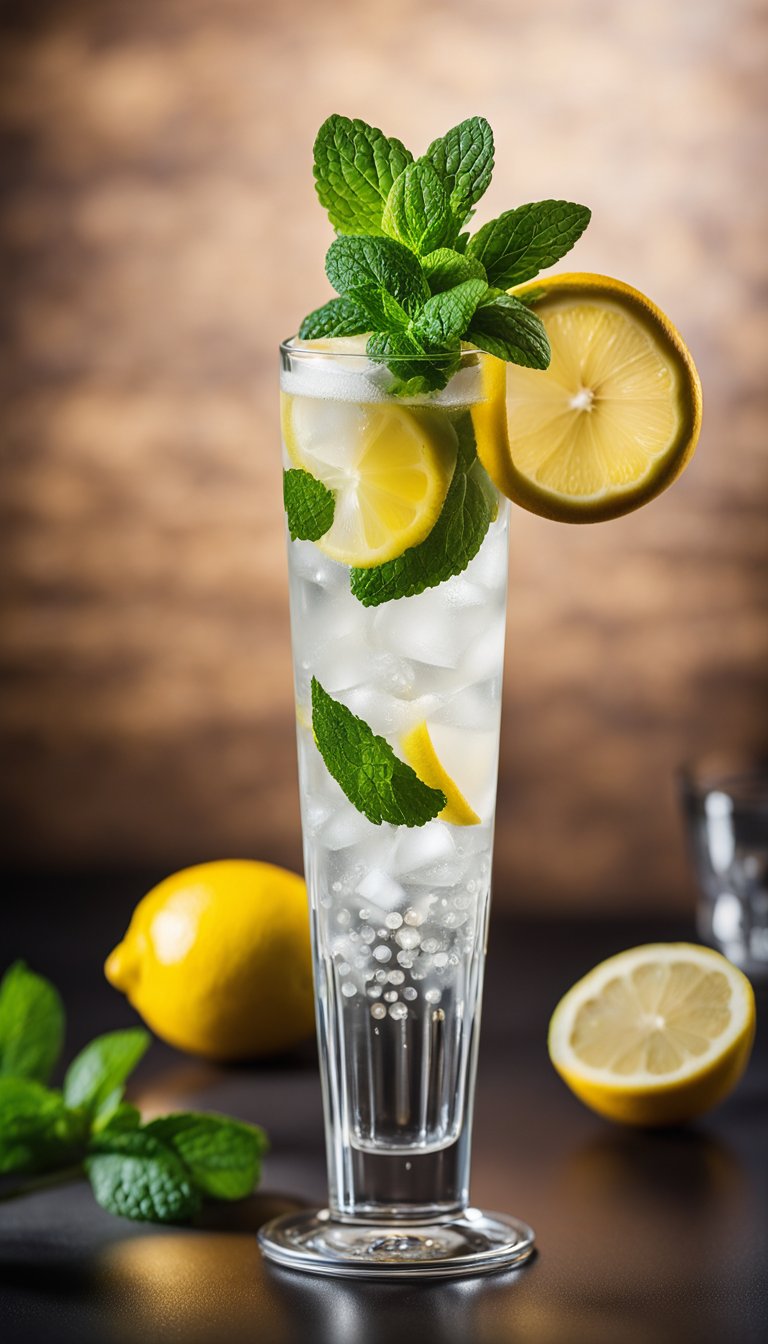
Branding and Marketing Strategies to EU and UK Spirits with no alcohol
As we have explored our study of the EU and UK alcohol-free spirit market we’ve identified the increasing demand for these innovative drinks and the rise of craft alcohol-free spirits, and the unique consumer segments driving this industry’s growth. The time has come to examine the important realm of marketing and branding strategies that will help you set your alcohol-free spirits brand apart in a crowded marketplace.
Building a Strong Brand Identity
The art of crafting and Authenticity
In the age of alcohol-free spirits, creating an appealing brand image is crucial. Consumers are drawn to brands that exhibit craftsmanship in their work, authenticity, as well as a true commitment to excellence. To establish your brand as an authority in your market take a look at the following strategies:
- Let Your Story Be Told Share the story behind your brand which highlights the passion as well as dedication that go into creating your alcohol-free spirits.
- Transparency Transparency: Be open about the ingredients you use, your manufacturing methods and the source. Genuineness builds trust with customers.
- Visual Identity The goal is to invest in an appealing and visually appealing logo as well as packaging design that communicates your brand’s uniqueness and values.
Attracting Emotions
Alcohol-free spirits are often associated with positive feelings like happiness, celebration, and mindfulness. Utilize these emotions in order to connect with your audience on higher levels:
- The art of emotional storytelling Create stories and marketing campaigns that connect with the emotions of drinking spirits without alcohol. It is a great way to celebrate moments of joy peace, and social connections.
- Inclusive Messaging Stress that your alcohol-free spirits are for everyone regardless of whether they choose not to drink or are designated drivers or just want to find more healthful alternatives.
The most effective marketing strategies
Digital Presence and Content Marketing
In this day and age, a strong online presence is essential. It is essential to ensure your brand’s visibility and engaged on all digital platforms:
- Website Optimization It is a good idea to invest in a user-friendly website that showcases your products, offers detailed information, and includes a blog area for content marketing.
- Social Media Engagement: You should keep your social media profiles to engage with your followers make valuable content available, and run targeted advertising campaigns.
- Educational Content: Make content that educates consumers about the benefits, flavors and versatility of your alcohol-free spirits. This can include blog posts or videos as well as infographics and infographics.
Collaborations and Partnerships
Working with similar brands and influencers can increase your influence and reputation:
- Bartender collaborations: Partner with bartenders to create recipes for cocktails that are zero-proof by using alcohol-free spirits. These collaborations can spark excitement and draw mixologists as well as cocktail enthusiasts.
- Influencer Partnerships: Identify influencers in the wellness lifestyle, lifestyle, and alcohol-free space who align with your values as a brand. Create with them authentic content and increase your reach to a larger audience.
Navigating and Seeing ahead
The market for alcohol-free spirits provides a wide range of opportunities However, it comes with certain challenges. Some consumers may have assumptions about the flavor and quality of alcohol-free alternatives. Overcoming these hurdles requires patience, perseverance and constant improvement.
In our next chapter, we’ll explore some of the most pressing issues in the industry and provide strategies for addressing these issues. Additionally, we’ll peer into possible future trends for the EU and UK spirits market that are alcohol-free and predict the developments that will determine the future of the market.
Be on the lookout for our next installment as we provide you with the information and strategies you need to succeed in this exciting and dynamic market.
challenges and strategies in the EU and UK Alcohol-Free Spirit Market
We’ve travelled through the world of alcohol-free spirits in both the EU and UK We’ve highlighted the rising popularity of the new and innovative drinks. We’ve also uncovered how to create branding and marketing strategies. Now it’s time to take on the challenges companies face in this fast-paced market and propose solutions to meet them.
Challenges in the Alcohol-Free Spirit Industry
Consumer Conceptions
One of the main obstacles is consumer misconceptions about the quality and taste of alcohol-free spirits. Certain consumers continue to perceive these spirits as bland or inferior tastes. To counter this, you can consider these strategies:
- Taste Education to educate consumers about the different flavors and complexities of spirits that are alcohol-free. Hosting tasting events or virtual tastings in order to demonstrate the quality and sophistication of your offerings.
- Programming for Sampling: Offer sample-sized packs or bottles, allowing people to sample your alcohol-free spirits before committing buying a full bottle.
Regulatory Compliance
Navigating the complex regulatory environment surrounding alcohol-free spirits isn’t easy. Labeling regulations, distribution and production are different for each country. You can ensure compliance by:
- The Legal Consultation Get legal counsel or regulatory experts who are experts in laws governing alcohol and beverages to ensure that your business’s image is in line with all regulations.
- thorough labeling: Create clear and compliant labels that accurately represent the alcohol content of your product and ingredients.
Competition and Differentiation
As the market expands, so does the market for alcohol-free spirits, competition is increasing. To distinguish yourself:
- The Product’s Innovation Create new products with new flavors, packaging and production methods.
- Differentiation Highlight what sets your brand apart. This could be eco-friendly initiatives, unique ingredient or a compelling story behind your brand.
Strategies for overcoming Problèmes
Consumer Education
An informed consumer is more inclined to consume alcohol-free drinks. Look at these education strategies:
- Online Resource Create complete online tools that explain the production process, the ingredients and the possible health benefits of your products.
- Helpline for Customers Deliver excellent customer support for inquiries and issues quickly.
Sustainability Initiatives
Customers are increasingly conscious of sustainability. Make eco-friendly choices:
- Eco-Packaging Use environmentally friendly packaging materials, and clearly express your commitment to a sustainable future.
- Local Sourcing Local Sourcing: Get ingredients locally whenever possible, helping to reduce the carbon footprint of your business.
collaborations and partnerships
Collaborations can help increase the reach and credibility of your brand. Consider:
- Retail Partnerships Collaboration with retailers to show off your products prominently in store or on the internet.
- Industrial Alliances: Join industry associations and alliances for information and to network with other alcohol-free brands.
It’s The Next Step for Alcohol-Free Spirit Market
As we face these challenges and devise strategies to conquer them, it’s essential to be looking ahead. In the next chapter we’ll examine what’s in store for the EU and UK spirits market that are alcohol-free while identifying trends that are emerging and opportunities that brands must be aware of.
Follow us on the exciting and thrilling path in store for this dynamic and developing industry.
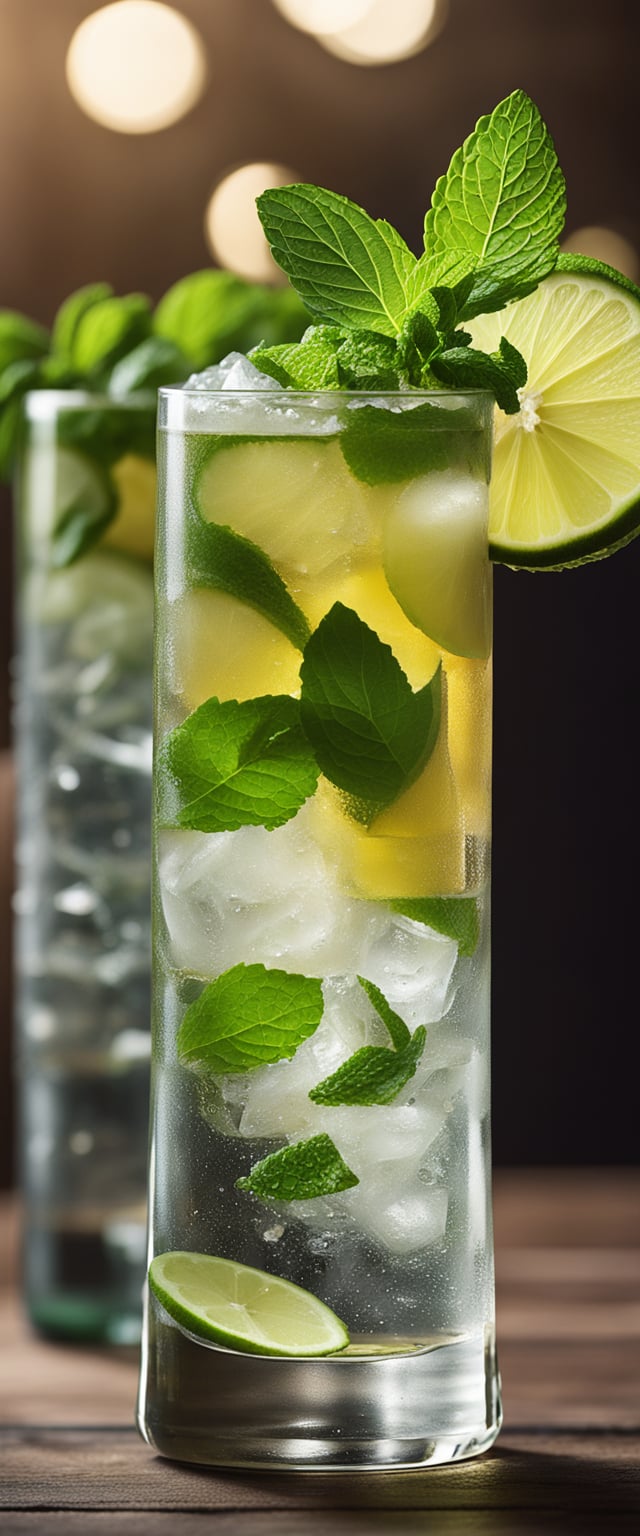
The Promising Future for EU and UK and the Alcohol-Free Spirit Market: Trends and Opportunities
As we close our investigation of the EU and UK alcohol-free spirit market we turn our eyes to the future. There are exciting opportunities and trends are awaiting brands operating in this dynamic market.
Emerging Tendencies in the Free-of-Alcohol Spirit Market
1. Diverse Flavor Profiles
In the next few years We can anticipate more variety of flavors to hit the market. Consumers’ palates are growing more adventurous, and brands are responding by introducing innovative botanical blends as well as exotic fruit infusions and aromatic herbs.
2. Premiumization
The same way that the trend of premiumization affected the market for alcoholic beverages as it did in the alcoholic spirits industry, we are expecting a similar change in the alcohol-free industry. Brands will seek out top quality ingredients and production methods that will give consumers an outstanding experience.
3. Sustainability as an International Standard
Sustainability is no longer an attractive selling point anymore, and will be a norm. Companies that use eco-friendly methods that include sourcing ingredients with care to using recyclable packaging, can benefit from competitive advantages.
4. Mocktail Culture
The rise of mocktails that are alcohol-free will continue to grow. These sophisticated alcohol-free options are gaining traction in restaurants and bars as well as providing an possibility for alcohol-free spirit companies to join forces with establishments.
Opportunity on the Horizon
1. International Expansion
With the EU and UK markets seeing growth Brands should look at increasing their presence abroad. Markets in Asia and The Middle East, and North America show great promise for alcohol-free spirits.
2. Health and Wellness Partnerships
Collaborations with health and wellness brands, influencers, and even events can help alcohol-free spirits reach consumers seeking alternatives to alcohol.
3. E-Commerce Dominance
The growth of e-commerce provides an excellent opportunity to increase direct-to-consumer sales. Brands must invest on user-friendly websites, internet marketing, and ecommerce strategies to tap into this expanding market.
The Conclusion as well as Recap
In this five-part series we’ve journeyed through the EU and UK the alcohol-free spirits markets, and explored its rapid growth in terms of branding and marketing strategies, the challenges, and strategies for overcoming these challenges. We’ve also explored emerging trends and potential opportunities that await the top brands in this rapidly growing industry.
The lure of alcohol-free spirits in Europe is undisputed. Consumers are seeking healthier, less harmful drinking alternatives this market continues flourish. Companies that promote innovation, quality and sustainability, as well as global expansion will be better placed to flourish in the years to be.
We thank you for taking with us on this exciting journey through the world of alcohol-free spirits. We hope that this article has provided you with valuable insights as well as inspiration for your journey through the ever-changing and fascinating market.
Crafting Your Unique Alcohol-Free Cocktails in the UK The Trend in Drinks: Understanding the Fashion
The world of cocktails is going through the most dramatic transformation and it’s not just about classic margaritas, mojitos, and margaritas anymore. For one, the United Kingdom, known for its vibrant drinking culture is experiencing an explosion in a new kind of drink, namely alcohol-free ones. In the initial part of our series on the creation of signature cocktails with no alcohol in the UK We’ll look into the growth of alcohol-free drinks and their rising popularity.
The ever-changing beverage landscape
The drink scene in the UK is evolving at a rapid pace. Although traditional alcohol drinks still remain a favorite but there’s a noticeable shift in consumer preferences. Consumers are looking for healthier, more conscious alternatives to their favourite drinks. This shift is part the global trend that consumers are becoming increasingly conscious of their wellbeing.
One of the major patterns in this constantly changing landscape is the rise of alcohol-free cocktails. It doesn’t matter if you refer to them as mocktails or virgin cocktails alcohol-free drinks, they attract the attention of mixing professionals and consumers alike. Bars that do not contain alcohol are popping up all over the UK with a vast range of refreshing and imaginative non-alcoholic cocktails that go above and beyond the traditional soda or juice.
New trends and information on health, lifestyle and fitness
The growth in alcohol-free cocktails aligns with the broader general trend towards healthier lifestyles and healthy living in the UK. As people are becoming more health conscious and adopt healthier habits their drinking habits are shifting accordingly.
Alcohol-free cocktails make a perfect addition to the health-conscious lifestyle. They offer the pleasure of an alcoholic drink but without the adverse effects of alcohol. This trend caters not only to people who have a zero tolerance for alcohol but also to those who want to enjoy a delicious, non-alcoholic beverages that aren’t detrimental to their health.
Why Is This Trend Important?
Knowing the growing popularity of alcohol-free cocktails is essential for anyone who is interested in creating their own distinctive cocktails. As the demands for these beverages increase and the demand for them increases, it’s increasingly important to grasp the art of mixology that doesn’t contain alcohol. In the next segment we’ll look at the fundamental ingredients and equipment necessary to create distinctive alcohol-free cocktails. You will be provided with the essential ingredients for making your own delightful drinks.
So, let’s explore the world of mixology that is alcohol-free and learn the secrets for creating your own unique alcohol-free cocktails from the UK.
Direct Access to Premium Spirits: Order Your Alcohol-Free Selection from Swedish Distillers!
How to make your own unique cocktails that are alcohol-free in the UK Mixology: The essentials Mixology
We’re back with our series about making the most distinctive alcohol-free drinks at home in the UK. In this section we’ll cover the main ingredients and equipment required to begin your journey of alcohol-free mixology. In addition to the base we laid in the previous section about the rise in alcohol-free cocktails. We’ll get into the tools and flavors that can elevate your mixology skills.
You’ll get a Palette of Flavors
The attraction of alcohol-free cocktails is their ability to delight your taste buds with many flavors. To create memorable drinks You need a diverse assortment of flavors. Here are some of the key elements:
1. Fruits and Juices Fresh Fruits and Juices
The principal ingredient of cocktails that are alcohol-free is the freshness of fruit and juices. From citrus-yet-sour fruits like limes and lemons, to juicy and sweet berries, these organic ingredients give a zing of flavor. Consider investing in a high-quality juicer to extract the freshest juices feasible.
2. Syrups and Sweeteners
Syrups and sweeteners like honey, simple syrup agave nectar, and grenadine play a vital role in balancing flavors. They provide sweetness and a richness to your drinks. Explore the possibility of experimenting with flavor-infused syrups for an extra twist.
3. Herbs and spices
Herbs and spices like basil, mint as well as cinnamon and ginger can elevate your alcohol-free cocktails to a higher level. They add depth and a distinctive aroma to your drinks.
4. Bitters
Bitters are concentrated flavoring agents that add depth and flavor to your cocktails. Although they usually contain alcohol however, there are alcohol-free alternatives to get the same effect.
Mixology Equipment
To make professional-quality cocktails, you’ll require the right equipment. These are the essential tools:
1. Shaker
The cocktail shaker is indispensable in mixing ingredients properly. You can choose from various types, such as the classic Cobbler shaker or Boston shaker.
2. Mixing Glass and Spoon
To mix cocktails mixing glasses as well as an extra-long-handled spoon are necessary. They can be used to gently mix ingredients, while maintaining their integrity.
3. Strainer
The strainer will ensure that the drinks can be smooth without being contaminated from herb shards or ice. Consider using a Hawthorne strainer for most cocktails.
4. Jigger
Precision measurements are crucial to constant consistency and quality in your mixology. Jiggers are a great tool to measure ingredients precisely, ensuring that your cocktails taste just right.
5. Glassware
Invest in a variety of glassware such as martini glasses, highball cups, rock glasses, and martini glasses. The glass you choose can greatly affect the appearance of your cocktails.
Alcohol-Free Spirits
Although traditional spirits like vodka, gin, and rum do not appear in alcohol-free cocktails there’s a growing demand for alcohol-free alternatives. Brands such as Seedlip along with Ritual Zero Proof offer alcohol-free spirits that are able to capture the essence and sophistication of their alcohol-based counterparts.
Why Are These Essentials Important?
A bar that is well-stocked with various flavors along with the right mixology equipment are crucial to making great alcohol-free cocktails. These ingredients and tools provide you with the ability to experiment and innovate while making your drinks stand out.
In the next article, we will delve into the art of making specific drinks that are alcohol-free. We’ll give step-by-step directions and new ideas for you to test. Mix, shake, and stir your way to cocktail perfection right in the heart of UK.
Making your own unique alcohol-free cocktails in the UK and beyond: How-to Recipes to Impress
In the first two parts of this series, we’ve examined increasing popularity of alcohol-free cocktails the UK and the necessary ingredients and equipment necessary for mixology. Now, it’s time to put that knowledge into action. In this section this section, we’ll give you the best drinks that are alcohol-free that are sure to please your guests.
The Citrus Sparkler
Ingredients:
- 2 1 oz freshly squeezed orange juice
- 1 oz freshly squeezed lemon juice
- 0.5 oz simple syrup
- 3 oz soda water
- Lemon twist to garnish
Instructions:
- Fill a glass of highball with an ice cube.
- Make sure to add freshly squeezed orange juice as well as lemon juice, plus simple syrup.
- Stir gently to combine.
- Sprinkle with soda water, then finish with the lemon twist.
- Serve right away and enjoy the refreshing burst of citrus aromas.
Berry Bliss Mocktail
Ingredients:
- 1/2 cup mixed berries (strawberries, blueberries, raspberries)
- 1 oz fresh lime juice
- 1 oz simple syrup
- 3 oz sparkling water
- Fresh mint leaves for garnish
Instructions:
- In a cocktail shaker muddle the mixed berries.
- Affix fresh lime juice and simple syrup.
- Shake vigorously with Ice.
- Strain the mixture into a chilled glass topped with Ice.
- Top with sparkling water and garnish with new mint leaves.
- Enjoy the delicious blend of citrus and fruit flavors.
Minty Mojito Mocktail
Ingredients:
- 6-8 fresh mint leaves
- 1 oz fresh lime juice
- 1 oz simple syrup
- 4 oz soda water
- A lime wedge and a mint sprig for garnish
Instructions:
- In a glass, gently stir the mint leaves that are fresh.
- Fresh lime juice can be added to simple syrup.
- Add ice to the glass.
- Then top with soda water, and mix slowly.
- Sprinkle with lime slices and one sprig or mint.
- Transport yourself to a tropical island with this minty sweet.
Ginger Spice Fizz
Ingredients:
- 2 oz ginger beer
- 1 oz apple cider
- 1/2 oz fresh lemon juice
- 1/2 oz simple syrup
- Thin slices of apple to garnish
Instructions:
- Fill a glass of highball with an ice cube.
- Combine ginger beer, apple cider, fresh lemon juice, plus simple syrup.
- Stir well.
- Garnish with thin apple slices to add an extra touch of sophistication.
- Sip on the warm spice of ginger, and the freshness of apples in each glass.
Lavender Lemonade Refresher
Ingredients:
- 2 oz of lemonade infused with lavender (steep Dried lavender buds from lemonade and strain)
- 2 oz coconut water
- 1/2 1 oz honey syrup (equal parts hot water and honey it has been cooled)
- Lemon wheel and lavender sprig to garnish
Instructions:
- Fill a glass with ice.
- Blend lavender-infused lemonade, coconut water, together with syrup of honey.
- Gently stir.
- Garnish with a lavender sprig as well as the lemon wheel.
- Smell the sweet aroma of lavender and the zing of lemon.
The Next Step is to experiment
These recipes are just the beginning of your alcohol-free cocktail journey. Do not be afraid to play around with various flavors, herbs and spices to make your own signature cocktails. In the next chapter, we’ll explore advanced mixing techniques and give additional recipes that you can master. You’re now ready to uplevel your craft and impress your guests with your alcohol-free recipes.
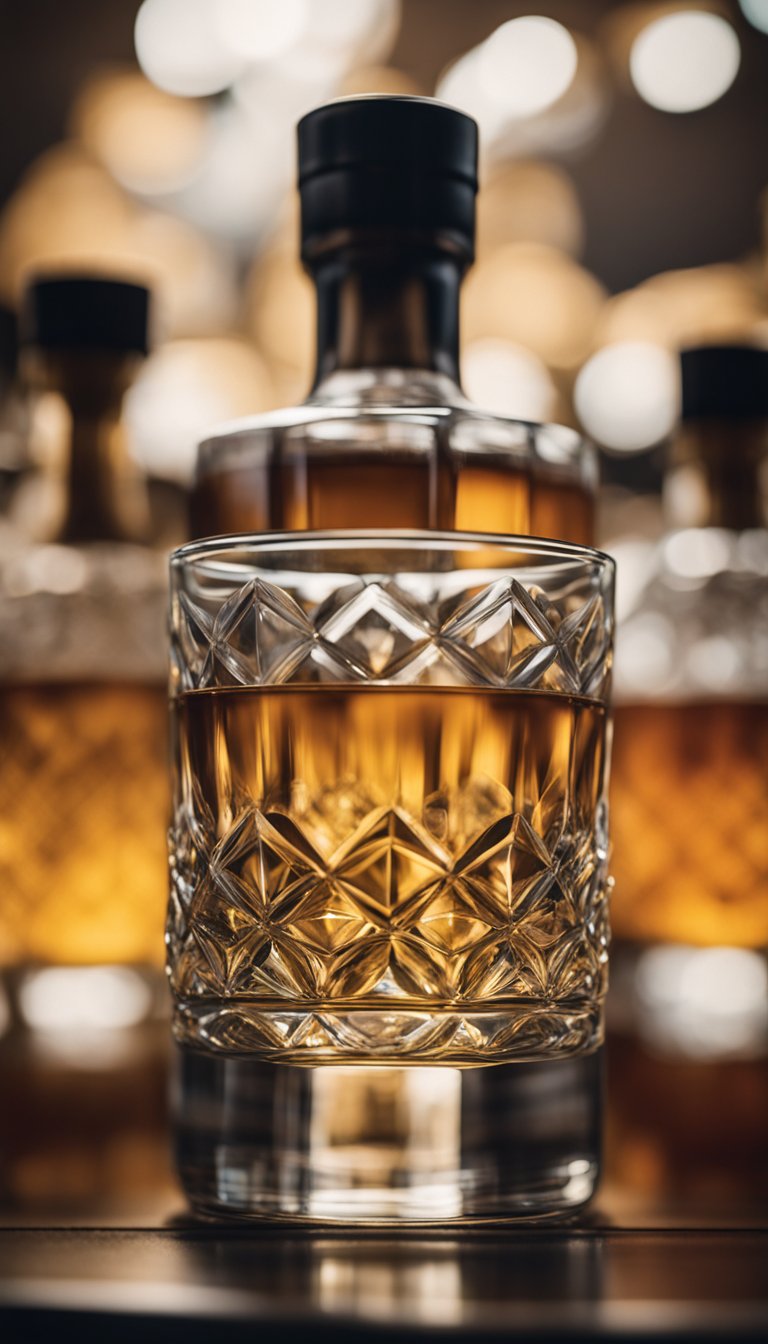
Learn the art of alcohol-free Mixology: Advanced Techniques
In our trip through the world of non-alcoholic mixology, we’ve covered the basics of mixology, learned about the most crucial ingredients, and presented some wonderful recipes. It’s time to improve your mixology skills to the next level. In this chapter, we’ll investigate advanced methods that will make your alcohol-free drinks an art style.
“The Art of Infusion
Infusing your ingredients is an excellent way increase the quality and complexity to your alcohol-free cocktails. Here are some ideas for infusion to get you starting:
-
Fruit-infused water: Play around with the idea of infusing your water with fruits like cucumbers, strawberries, or watermelon. Enjoy the fusion of flavors for an energizing base.
-
Herb-infused Syrups Make unique syrups by blending them with herbs such as rosemary, basil, or Thyme. These syrups add flavour to your cocktails.
-
Tea and Spice Infusions: Infuse tea or spices such as cinnamon, cloves or cardamom into your mixers for a hint sophistication and warmth.
Crafting Signature Bitters
Bitters make up a major component of many classic cocktails, and you can mix them to create alcohol-free versions. Here’s how:
-
Ingredients: You should start with a neutral, non-toxic base like glycerin. Incorporate botanicals, such as dried citrus peels, spices, and herbs.
-
Method: Combine your chosen ingredients in a glass container and allow them to infuse for a few weeks. The jar is shaken frequently. Make sure to strain the mixture. you’ve got your custom bitters.
-
Exploring: Play with different combinations to create unique flavors that go well with your drinks.
This is the Art of Garnishing
A properly-chosen garnish not just provides visual appeal but also increases the flavor and aroma of alcohol-free drinks. Look at these ways to garnish your drinks:
-
Citrus Twists: Use a peeler with a citrus for elegant twists of lemon, lime, or orange. These not only look great however they also let citrus oil out when you drink.
-
Fresh Herbs: Fresh herb sprigs like basil, mint or rosemary, not only provide the appearance of colors but also infuse your drink with their delicious scents.
-
edible flowers: Incredibly edible blooms like pansies, violets, or nasturtiums will add a touch elegance, and the floral to drinks.
Chemical Mixology
For the mixologist with an adventurous streak molecular techniques can give your mix a something magical to your cocktails:
-
Spherification: Incorporate tiny fluid-filled round spheres from sodium alginate as well as calcium chloride. These burst in your mouth, delivering an explosion of flavor.
-
Foaming: Utilize a charger for nitrous oxide to create foams that sit atop your drinks, giving them a soft texture and distinctive design.
Collaborate and invent
Don’t be afraid to work along with other mixologists. You can also attend seminars and workshops. A journey into the world of mixology with other mixologists can lead to thrilling discoveries and new techniques.
While you work on your advanced mixology skills, make sure to keep your customers in the forefront of your thoughts. Being aware of their preferences and trying out with new flavors will differentiate you as a master of mixology without alcohol.
In the concluding section We’ll conclude our journey, and offer ending thoughts. You’re getting ready to impress all your friends and guests with your talent.
The Art of Alcohol-Free Mixology: A Journey to amazing Mocktails
This is the final chapter of our alcohol-free cocktail journey. In the past four posts we’ve delved into the art of creating exquisite alcohol-free cocktails from basics to the most advanced techniques. Today, we’ll complete our quest by exploring the essentials of making a great mocktail.
The Essence of Mocktails
Mocktails are non-alcoholic versions of cocktails, provide an exquisite blend of tastes of aromas, tastes, and creativity. They’re a wonderful alternative for those who would prefer not to consume alcohol but still wish to enjoy sophisticated drinks.
The Basics Reviewed
Before we go on, let’s revisit the fundamentals for creating excellent mocktails.
-
balance: Much like cocktail they are also based on an balanced balance of flavors. Be aware of the sweet, sour, bitter as well as umami in your drink.
-
Clean Ingredients Use only the freshest fruits, herbs, and juices. Freshness can improve the overall quality you drink.
-
Texture is Important: The mouthfeel of an alcohol drink is critical. Look at the thickness, fizziness or creaminess that matches your chosen ingredients.
The Mocktail Mixologist’s Toolkit
To craft masterful mocktails, you’ll require a reliable toolkit:
-
Quality Glassware Buy elegant glassware to showcase your masterpieces. The best glass can add to the appeal that your drink.
-
Bar Tool: Make sure you have bar tools such as shakers strainers, muddlers, and jiggers. These tools help make the mixing process much more precise and efficient.
-
Innovative Ingredients Investigate speciality ingredients such as flavorful syrups, bitters and non-alcoholic spirits to make your mocktails more interesting.
Crafting Unforgettable Mocktails
Let’s get started on the journey to create unforgettable mocktails that will leave a unforgettable impression for your visitors.
Mocktail Magic: Signature Recipes
1. Citrus Sunrise Bliss
Ingredients:
- 1 oz fresh orange juice
- 1 oz fresh grapefruit juice
- 0.5 oz grenadine syrup
- 2 oz sparkling water
- Ice cubes
- Maraschino cherry and orange slice to garnish
Instructions:
- In a highball glasses, fill it with some ice cubes.
- Pour the grapefruit and orange liquids onto the ice.
- Slowly add the grenadine syrup to create a stunning sunrise.
- Add sparkling water and stir gently.
- Garnish with a slice of orange and maraschino cherries.
2. Minty Melon Euphoria
Ingredients:
- 2 oz fresh honeydew melon juice
- 0.5 oz fresh lime juice
- 0.5 1 oz honey syrup (equal parts honey and hot water, cool)
- 4-6 fresh mint leaves
- Crushed Ice
- Mint sprig and melon ball to garnish
Instructions:
- Muddle the mint leaves in a shaker.
- Add lime juice, honeydew melon juice and honey syrup into the shaker.
- The shaker should be filled with crushed ice and shake vigorously.
- Strain into a chilled martini glass.
- Sprinkle with a sprig mint as well as a melon ball that is placed on an skewer.
Final: Cheers to Your Mocktail mastery
Through our journey into the world of mixology that is alcohol-free we’ve learned the basics, explored advanced techniques, and discovered the art of making unforgettable mocktails. The skills you’ve learned now allow you and the knowledge to wow your guests as well as your friends by creating masterful mocktails.
Let’s review our journey of five articles:
-
The basics of alcohol-free Mixology: It began with an understanding of the basics, focusing on essential balance ingredients, and presentation.
-
Exploring the Essential Ingredients Then, we dived inside the bag of essential ingredients, from fresh produce and herbs to syrups, and bitters.
-
Lifting the Game of Mixology: We elevated our skills by exploring infusion, making distinctive bitters, trying out molecular mixology.
-
The Art of Garnishing: In the article 4 we learnt how to give that last touch of elegance through innovative garnishing techniques.
-
Masterful mocktails: Finally, in this article we examined the core of mocktail creation making signature recipes that wow our guests.
Now, it’s time to begin your own unique mixology adventures. Play around, discover, and have fun creating amazing alcohol-free cocktails as well as mocktails. Remember, the art mixology doesn’t only revolve around the drinks, but rather the experiences and memories your drink creates with each drink.
Cheers to your mastery of the mocktail and your bright future as a master mixologist!
The embrace of the Alcohol-Free Cocktail Movement
In the last few years, there’s been a remarkable shift in the methods people go about parties and gatherings especially in Europe. The days of alcohol-dominated parties are gradually giving way to an increasingly inclusive and health-conscious trend – the rise of alcohol-free drinks. In the first segment we’ll go over how the reason for the surge in the popularity of alcohol-free drinks and the reasons for which they’re becoming one of the most popular drinks at parties.
The evolving Landscape of Drinks for Parties Beverages
For a long time, alcoholic drinks have always been the focus of celebrations for all occasions, from birthdays to weddings and everything in between. However, a significant shift in the social consciousness of people has led to a shift in this paradigm. People are seeking alternatives that allow them to enjoy the conviviality that comes from a cocktail without the need for alcohol.
Health and Wellness
One of the main reasons for this shift is the increasing focus on well-being and health. In today’s health-conscious world individuals are aware regarding the adverse effects of excessive consumption of alcohol on their wellbeing. Alcohol-free drinks allow one to enjoy the pleasures of a well-crafted drink without the associated health risks.
Inclusivity
Alcohol-free drinks are also viewed as a more inclusive option for gatherings. They let hosts accommodate a wider array of guests, such as those who choose not to enjoy alcohol consumption, driver-designated drivers, and individuals with dietary restrictions. This inclusivity fosters a sense of family and ensures everybody feels welcomed and at ease during the celebration.
Creative Freedom
Another factor in the popularity of alcohol-free cocktails is the creative freedom they give. Mixologists and home bartenders alike are taking on the challenge making delicious and intricate alcohol-free concoctions. This creative aspect adds an exciting aspect to planning a party and the preparation of drinks.
The attraction of alcohol-free Cocktails
Drinks that are alcohol-free are no longer a token gesture at parties they are now becoming the star attraction. Their appeal lies in their ability to replicate the complex tastes and appearance of traditional cocktails without the intoxicating effects. Let’s examine some of the most important aspects of their appeal:
Flavor Complexity
Alcohol-free cocktails aren’t pure fruit-based drinks. They typically incorporate a range varieties of syrups or juices herbs, and spices to create complex flavor profiles. From zesty citrus blends to herb-infused delights, the world of non-alcoholic mixology is packed with possibilities.
Visual Elegance
A good presentation is crucial, and alcohol-free cocktails do well in this category. Similar to their alcohol-based counterparts their drinks are garnished with flair. Fresh fruit, vibrant herbs, and meticulously placed ice cubes turn glasses that are simple into artwork.
moderation as well as sobriety
For many, the attraction of alcohol-free drinks lies in having the opportunity to indulge in the social aspects of drinking without the risk of overindulgence. This moderation ensures that the party remains lively and enjoyable, while guests can stay well-informed and entertained throughout.
Experimentation and Innovation
The creation of alcohol-free cocktails is engaging and thrilling experience. Mixologists are constantly experimenting with new ingredients and methods to increase the possibilities of what’s possible with non-alcoholic drinks. This passion for innovation keeps the trends fresh and captivating.
As we’ve observed the trend towards non-alcoholic cocktails isn’t just another passing trend but rather a reflection of changing attitudes towards the health of people, inclusion, and creativity in the world of social gatherings. In the next segment, we’ll delve deeper into the essential ingredients and tools that you’ll need to start your journey of creating these delicious drinks.
Premium Spirits, Direct Sales: Swedish Distillers Offers Bulk Non-Alcoholic Options!
Essential Ingredients and Tools to Craft Alcohol-Free Cocktails
We’ve covered the increasing popularity and appeal of alcohol-free cocktails in the first part, it’s time to roll up our sleeves and get into the world of mixology. Crafting exquisite alcohol-free cocktails requires an appropriate mixology recipe and equipment which is why in this section we’ll cover the most essential tools which every budding mixologist should have available.
1. The Essential Ingredients
Fruit Juices
Fruit juices are at the heart of many alcohol-free cocktails. The citrus juices of orange, lime, and lemon offer the zesty kick. fruit juices such cranberry or pineapple, and pomegranate add depth and sweetness. Be sure to have a range of fruit juices that are fresh available.
Syrups and Sweeteners
To balance flavors and enhance sweetness, syrups such as simple syrup, honey syrup, and grenadine play a vital role. There is also the option of using flavor-infused syrups such as vanilla or lavender to add a distinct twist.
Herbs and Spices
Fresh herbs like basil, mint and rosemary will enhance your cocktails by adding aroma. Spices such as cinnamon, cloves, and nutmeg are excellent for making warm and cozy drinks that are alcohol-free.
Soda Water along with Tonic Water
These carbonated mixers create the effervescence that’s characteristic of numerous cocktails. Soda water can be a flexible base for a variety of drinks, while tonic water is a must for classic cocktails such as The Virgin G&T.
bitters and Aromatics
Bitters add depth and complexity to cocktails that are alcohol-free. Drinks with options like Angostura bitters or aromatic bitters could transform the simplest drink into a sophisticated cocktail.
2. Fresh Ingredients
Fresh Fruits and Berries
Infusing your drinks with fresh fruits and fruit not only adds a visual appeal but also provides the drinks with natural flavors. Limes, lemons and blueberries are a popular selections.
Herbs as well Edible Flowers
Fresh herbs like basil, mint, and thyme can be blended or used as garnishes to add aromatic notes to your drinks. Delicious flowers such as pansies or violets will make your drinks very Instagram-worthy.
Citrus Zest
The zest of citrus fruits (peel with no pith) can be used as a garnish or to fill the rim of cocktails glasses. It adds a punch of citrus aroma and flavor to your cocktails.
3. Specialized Tools
Cocktail Shaker
The cocktail shaker is essential for mixing and chilling your ingredients. It’s versatile and can be used to shake or stirring, depending on the drink.
Muddler
This tool is perfect to gently crush herbs, fruits or sugar cubes in order to release their flavors. It’s essential for making mojitos and other similar drinks.
Jigger or measuring tools
The accuracy of measurements is essential in mixology. Jiggers and measuring tools can guarantee your cocktails are smooth and balanced.
Strainer
A strainer is helpful for getting rid of ice or herbs as you pour your drinks into glasses. It ensures a smooth and free of any debris.
Citrus Juicer and Zester
For cocktails that require freshly squeezed citrus or fresh zest dedicated juicers and zesters can provide efficiency and precision.
4. Glassware and Display
Cocktail Glasses
You can invest in a variety cocktail glasses, including highball, rocks, and coupe glasses. Different cocktails shine in various types of glassware.
Bar Spoons and Stirrers
Long-handled bar spoons are utilized for stirring cocktails. stirrers that have decorative ends can be used as garnishing tools.
Ice Cube Trays as well as Molds
Think about investing in unique ice molds or cube trays that can add a visual design to your cocktails, like spherical, spherical and spherical for cocktails that are whiskey-based.
Once we’ve compiled the mixology toolkit, you’re already on the right track to preparing delightful alcohol-free cocktail recipes for your next occasion. In the next section we’ll use these ingredients as well as tools to use, and examine some traditional and original cocktail recipes that won’t be alcoholic to impress your guests.
Classic Alcohol-Free Cocktail Recipes to master
In the previous chapters we’ve dived into the world of exciting alcohol-free cocktails, explored the key ingredients and techniques, and even discussed what it takes to create a garnish. It’s time to get out our tools and start mixing. In this section we’ll take you through some of the classic cocktail recipes that don’t contain alcohol which every budding mixologist needs to have in their arsenal. No matter if you’re hosting a celebration or simply looking to enjoy drinking a refreshing drink with these classic recipes, they will impress your guests and appeal to your palate.
1. Virgin Mojito
-
Ingredients:
- 2 oz (60 ml) fresh lime juice
- 2 teaspoons sugar
- A few mint leaves
- Soda water
- Ice cubes
-
Instructions:
- If you have a glass to drink from, mix the mint leaves and sugar to release the mint’s fragrance.
- Add fresh lime juice and the ice cubes.
- Fill the soda water with and gently stir.
- Garnish with a little green mint or a lime.
It’s a classic drink. Virgin Mojito is a classic option for those looking for refreshing and refreshing drinks with a hint of sweetness. It’s the ideal drink for thirsty people on a sunny day.
2. Shirley Temple
-
Ingredients:
- 4 oz (120 ml) ginger ale
- 2 oz (60 ml) grenadine syrup
- A maraschino cherry
- Ice cubes
-
Instructions:
- In a glass, add ice cubes.
- Add the ginger ale and grenadine syrup.
- Gently stir to combine.
- Serve with maraschino cherries.
Shirley Temple Shirley Temple is a delightful and fizzy concoction that is loved children and adults alike. Its sweet and tangy flavors make it a superb choice for any event.
3. Virgin PiA+-a Colada
-
Ingredients:
- 2 oz (60 ml) pineapple juice
- 2 oz (60 ml) coconut cream
- 1 oz (30 ml) coconut milk
- 1 cup crushed Ice
- Slices of maraschino or pineapple for garnish
-
Instructions:
- In a blender, combine the juice of the pineapple with coconut cream, coconut milk, with crushed ice.
- Blend until silky smooth smooth and.
- Pour into an ice-cold glass.
- Garnish with a wedge of pineapple and maraschino cherries.
You can transport yourself to a tropical island with this luscious Virgin PiA+-a Colada. It’s sweet, creamy, as well as utterly delicious.
4. Virgin Mary (Virgin Bloody Mary)
-
Ingredients:
- 4 oz (120 ml) tomato juice
- 1/2 oz (15 ml) fresh lemon juice
- A little black pepper
- A dash in hot sauce (adjust according to your preference)
- An apple stick, a celery and a lemon wedge for garnish
- Ice cubes
-
Instructions:
- Place ice cubes in a glass and fill it with cubes.
- Include the tomato juice along with fresh lemon juice.
- Add hot sauce, black pepper to the mix.
- Stir well.
- Then garnish it with a celery skewer or lemon wedge.
The Virgin Mary is a savory and spicy treat. It’s perfect for people who prefer a bit of spice in their cocktails, even without the alcohol.
5. Virgin Mojito
-
Ingredients:
- 2 oz (60 ml) fresh lime juice
- 2 teaspoons sugar
- A few mint leaves
- Soda water
- Ice cubes
-
Instructions:
- If you have a glass to drink from, muddle the mint leaves and sugar to release the mint’s scent.
- Add the fresh lime juice and the ice cubes.
- Fill the soda water with and gently stir.
- Add a sprinkle of mint and a lime wheel.
It’s a classic drink. Virgin Mojito is a classic option for those looking for an energizing and refreshing drink with a hint of sweetness. It’s the ideal beverage to quench thirst on the summer days.
The classic cocktails that are alcohol-free are not only delicious, but are also extremely versatile. They provide a platform for your creativity which lets you experiment with different types of garnishes and presentation styles. In the next part this article, we’ll discuss some ingenious and original alcohol-free cocktail recipes that can enhance your mixology game even further.

Learning the Art of Drink-Free Mixology
As we’ve explored this world of drinks without alcohol, we’ve been exposed to the key ingredients, the tools of the trade, recipes from the past, and even some nifty concoctions. It’s time for you to increase your knowledge and be a master of mixing alcohol-free. In this segment, we’ll be exploring the latest techniques, presentation tricks, and secret techniques that will make your non-alcoholic beverages normal to exceptional.
1. Infusing Flavors
-
For Infusion Bottles Consider investing in Infusion bottles or jars. They can help you incorporate many flavors into your cocktails, ranging from herbs to spices to vegetables and fruits. Simply mix the ingredients and let them simmer for an unique twist to classic recipes.
-
Cold Brewed Tea: Cold-brewed teas can provide the depth and sophistication to your drinks. You can experiment with various tea varieties like hibiscus, chamomile, or earl gray. Make use of them as a base or flavor enhancer for your drinks.
2. It’s the Art of Layering
-
The Layering Tool: The best way to achieve stunning layering cocktails, get bar tools such as a bar spoon that has a spiral handle and a steady hand. Slowly pour every ingredient on the back of the spoon to create distinct layers.
-
Density matters: Make sure you know the density of your ingredients. A lot of heavier ingredients, such syrups should be placed on the lower end, while the lighter ones like juices and soda, should float on top.
3. Smoke and Mirrors
-
Smoking Gun: In order to give a dimension and mystery to your cocktails, try smoking guns. The smoking gun infuses your drinks with aromas of smoke. Play around with different types of wood chips and herbs to create distinctive flavors.
-
Smoking Glass: For a simpler method, you can smoke the glass by itself. Cover the glass with a coaster or lid and introduce smoke underneath. As you lift the cover, your guests will be welcomed by the smell of smoke.
4. Garnish with Flair
-
Delicious Flowers These edible blooms like violets, pansies or nasturtiums not only look stunning but they also provide delicate floral notes to your cocktails. Be sure that they are free of pesticides and safe to eat.
-
Citrus Zest: Increase your garnishing skill by using citrus zest to create a unique. Try long, spiraled turns of lemon or orange peel to add a burst of citrus aroma to your drink.
5. The Mocktail Menu
-
Designing a Mocktail Menu: If you’re hosting an event or party you should think about creating a mocktail menu. Offer a variety of alcohol-free options, from fruity and sweet to herbal and savory so that you can cater to a variety of tastes.
-
Custom-designed creations: Encourage guests to make their own mocktails by providing a wide range of ingredients, garnishes and glassware. It adds an interactive and personal touch to your gathering.
By incorporating these innovative techniques and presentation techniques to your alcohol-free mixology collection it will be well on your journey to becoming a master mixologist. In the closing part of our journey, we’ll conclude our exploration into the world of alcohol-free cocktail and offer some parting thoughts and resources for you to carry on your cocktail-making adventures.
The Culmination of Non-Alcoholic Mixology: Crafting the Perfect Mocktail Experience
In our final dive into non-alcoholic mixology on a trip that taken you from the basics of ingredients and equipment in order to master the art and the latest innovations on the subject of alcohol-free cocktails. Now, in this final installment, we’ll complete our exploration by putting all the pieces together and crafting the perfect mocktail experience.
1. The Art of Balance
Making memorable mocktails starts from a foundational principle: balance. The harmonious interaction between flavors texture, aromas and textures is essential to creating exceptional alcohol-free drinks. Here’s how to achieve it:
-
Sweet and Sour: Find a balance between sweets like syrups and fruit juices, with acidic elements such as citrus juices or vinegar. The contrast between sweet and sour adds more depth and sophistication in your mocktail.
-
Bitterness and Herbal Notes: Explore the possibilities of bitters, herbal infusions, and aromatic garnishes, such as rosemary or thyme. These ingredients can be used to add a level of sophistication to your beverages.
2. A Personalized Mocktail Experience
One of the greatest benefits of mixology without alcohol is that it allows you to customize the experience for you and your guests. Here are some suggestions to consider:
-
Mocktail Stations: If you’re hosting a celebration, create mocktail stations using diverse ingredients and garnishes. You can let your guests make their own unique mocktails, stimulating creativity and engagement.
-
Customized Mocktails Discover your guests’ preferences and create customized mocktails based on their tastes. It’s an ode to your guests that shows you care about their experience.
3. Elevating Presentation
A good presentation is essential, and can turn a simple drink into a work art. Look at these presentation ideas:
-
Glassware is Important: Choose glassware that enhances the appearance of the mocktail. Glasses with tall stems for highballs coupe glasses for sophisticated drinks, or mason jars for a rustic look.
-
Garnish judiciously: Pay attention to the techniques used to garnish. Whether it’s a perfectly curled citrus twist or an expertly placed herb, the garnish should boost the overall flavor of the mocktail.
4. The Mocktail Menu
Making a mocktail menu can be an enjoyable experience. It’s a chance to show your creativity while offering a diverse range of non-alcoholic options. Here’s the best way to come up with an attractive menu
-
Differential: Offer a variety of mocktails, ranging from classic cocktails to new cocktails. Offer a variety of options for different tastes including fruity, herbal, or the savory mocktails.
-
Descriptions: Write engaging descriptions for each mocktail in the menu. Use vibrant language to bring out the flavors and aromas as well as help your guests make informed choices.
Conclusion: A toast to Your Mocktail Expertise
Congratulations! You’ve mastered the art of non-alcoholic mixerology, from understanding the basics, to exploring sophisticated techniques and presentation. When you embark on your quest, be aware what it takes to master the art of making non-alcoholic cocktails is a fusion of creativity, precision and a deep appreciation for the flavors.
The topics covered range from the most essential ingredients to layering techniques as well as infusion techniques, as well as how important garnish is. You’ve learned how to create a balance between flavors, personalize experiences, and boost presentation. Now, you’re ready to take your skills to the test and embark into your own mocktail adventure.
Whether you’re hosting a party or preparing a unique mocktail for a loved one, or simply enjoying a much-deserved treat for yourself, your mastery of mocktails ensures that each sip you take is one to remember.
Thank you for joining us for this thrilling journey into non-alcoholic mixology. Always be open to new ideas, experiment while enjoying the aromas of your imagination. The world of mocktails is yours to explore Your journey is just beginning.
Hope you’ve found this five-part series informative and inspiring. If you didn’t get a chance to read any of the previous articles or wish to revisit certain topics, this is a brief overview:
- The fundamentals of alcohol-free Mixology: Comprehensive guide to the most essential ingredients and tools to mix mocktails.
- Learning the Art of Mocktail Presentation: Techniques for making your mocktails visually stunning and appealing.
- Innovative Mocktail Recipes: Creative recipes that elevate your mocktail game.
- Mocktail Insider Secrets Techniques and tricks to enhance your mocktails to next level.
- The Final Stage of Non-Alcoholic Mixology: Constructing the perfect mocktail We are at the point where we are.
We wish you all the best in your future fun with mocktails. Cheers to the exciting world of alcohol-free mixology!
Unveiling the Future: EU Sustainable Spirits that are Alcohol-Free and Non-GMO
In recent times, the European Union (EU) has witnessed a significant change in the spirit industry. Changes are underwayaEUR”one that reflects the shifting tastes, preferences, and discerning choices of consumers. As the EU takes a stand for sustainability and increasingly people seek alternatives for traditional alcoholic beverages, the rise of sustainable alcohol-free spirits has emerged as a significant trend. In this article, we set off into a journey that explores this intriguing trend.
The Rise of Sustainable Spirits in the EU
Trends in the EU Alcohol Market
The landscape of the alcohol market in the EU is undergoing a radical transformation. Traditionally, alcoholic drinks have been a major part of European culture, with wine or beer as well as spirits being a common feature of social gatherings and dining. However, in recent years, an interesting trend has emergedaEUR”consumers are becoming more conscious of their choices.
The EU market for alcohol, which was once dominated by drinking of alcoholic drinks, has now begun to shift towards sustainable, healthier as well as alcohol-free options. The need for mindful consumption driven by health concerns social responsibility, as well as environmental awareness has created an exciting new era in spiritsaEUR”the alcohol-free and sustainable kind.
The Rise of Alcohol-Free Spirits
The leaders of this revolution are pioneering brands that have seen the changing tide of consumer preferences. These companies that are forward-thinking have responded by introducing a variety of alcohol free spirits that not only offer an alternative to traditional alcoholic drinks but also promote sustainability.
The rise of alcohol-free spirits marks an enormous change from the past. The spirits, which are not infused with alcohol but packed with flavor can recreate the flavor of traditional beverages without the intoxicating effects. Although the idea of alcohol-free spirits may not be entirely new, the emphasis on sustainability and environmental responsibility is a new and important change.
This article delves deeper into this exciting development, reviewing the environmental consequences of traditional production of alcohol, while also examining how sustainability practices are being integrated into the production liquors that do not contain alcohol. In the following sections, we will go through the fascinating background of these beverages, from sourcing ingredients, to eco-friendly manufacturing processes along with responsible packaging, distribution and packaging.
Let’s start our journey together and explore how EU sustainable spirits without alcohol are creating a more green and more conscious future. In the following section this article, we’ll be looking at the environmental impact of traditional production of alcohol and why it’s driving consumers to more sustainable alternatives.
Continue reading What is the Environmental Impact of Traditional Alcohol Production
Keywords: EU Spirits that have a sustainable and alcohol-free source, alcohol market within the EU Sustainable spirits, alcohol-free alternatives with mindful consumption, environmental awareness, sustainable and alcohol-free spirits, sustainability in spirits that are alcohol-free, ingenuous brands with a positive environmental impact. Traditional alcohol production, sustainable choices.
Direct Advantage: Order Pallets of Premium Alcohol-Free Spirits from Swedish Distillers Now!
The Environmental Impact of Traditional Alcohol Production
When people think of the production of alcohol, the image of which is often evoked is idyllic beer breweries that are rustic, vineyards, or sophisticated distilleries. Even though these sights may exude nostalgia and charm but they also have significant environmental effects. In this article will explore the environmental impacts that traditional alcohol production methods have and how they’ve been a factor in the rising demand for sustainable alternatives.
the hidden costs of Traditional Alcohol Production
Traditional methods of alcohol production have been practiced for hundreds of years and often passed on over generations. These processes typically involve cultivation of specific crops (such as grapes, grains, or sugarcane) that are fermented, distilled along with aging, bottling, and distillation. Although these processes might seem like natural processes, they actually have major ecological consequences:
1. Intensity of Resource
a. Land Use
Traditional alcohol production often requires vast expanses of land to be used for agriculture. It is the process of cultivating crops such as grain or grapes needs significant land resources, which could alternatively be used for different and sustainable purposes.
b. Consumption of Water
The production of alcohol is extremely water-intensive. From irrigating the crops to actual fermentation and distillation processes, huge quantities of water are used up. This creates challenges in areas where water scarcity is an urgent problem.
2. Energy Consumption
Traditional methods of aging and distillation are very energy-intensive. The use of fossil fuels to power distillery operations contributes to greenhouse gas emissions and accelerates climate changes. Further, the process of ageing spirits in wooden barrels requires enormous storage facilities. This is often that requires temperature control as well as additional power consumption.
3. Chemical Usage
Pesticides, fertilizers and other chemicals are commonly employed in agriculture as a means to protect crops and increase yields. The chemical runoff resulting from conventional agricultural practices can lead to soil degradation and water pollution adversely affecting ecosystems and human health.
A Shift Towards Sustainable Alternatives
As the concerns over global warming, resource depletion in the environment, and resource depletion grow increasing, customers are becoming sensitive. They are increasingly looking for products that are in line with their ideals of ethical and sustainable. This shift in preferences of consumers has opened the way to viable alternatives that are environmentally friendly, including alcohol-free spirits.
In the next part this article, we’ll examine how the production of EU sustainable alcohol-free spirits is altering how the industry’s environmental footprint. From new methods of sourcing to environmentally-friendly production methods, these options are setting a new standard for sustainability within the world of spirits.
Continue to read: Sustainability in EU Alcohol-Free Spirits
Keywords: negative environmental consequences of the production of alcohol, traditional methods of producing alcohol using a variety of methods, the intensity of resources used in alcohol production, the use of land in the production of alcohol the consumption of water in the production of alcohol, energy consumption in the production of alcohol, chemical usage in alcohol production, sustainable alternatives climate change, environmental degradation, consumer preference, sustainability in alcohol-free spirits.

Sustainable Alcohol-Free Spirits A Greener Choice
In the prior sections we have discussed the environmental impact of traditional alcohol production and the shift in consumer preferences towards sustainable. In this section, we will dive to the world of sustainably produced alcohol-free spirits, and explore how they’re helping pave the way for an eco-friendly and more sustainable future.
The birth of sustainable alcohol-free Spirits
The idea of spirits that are alcohol-free might seem contradictory at first glance. In reality, spirits have always been viewed with alcohol-based content. However, creative and forward-thinking distilleries are challenging this notion with alcohol-free alternatives which provide the same essence as traditional spirits with no alcohol.
What are sustainable alcohol-free Spirits?
Sustainable spirits without alcohol, sometimes referred to as “spirits alternatives,” are drinks that resemble the flavors, aromas, and the complexity of traditional spirits, but contain little to no alcohol. They are produced using different botanicals, spices, herbs, and other natural ingredients and are selected with care to create distinct sensory experiences.
The Environmental Benefits
1. Less footprint of land and water
One of the primary environmental benefits of sustainable alcohol free spirits is the reduced surface area and footprint on the water. Contrary to traditional alcohol production which requires a large amount of land as well as water for growing crops Spirits alternatives tend to obtain their ingredients more efficiently. This means that less resources are consumed, freeing up water and land to serve other sustainable needs.
2. Lower Energy Consumption
Producing alcohol-free spirits usually utilizes less energy when in comparison to traditional distillation and aging. This results in a smaller carbon footprint and less Greenhouse gas emissions. As the world grapples with the consequences of climate changes, these energy savings are increasingly important.
3. The use of minimal chemicals is not recommended.
Sustainable alcohol-free spirits are made by focusing on the purity of their products and the sustainability. This means that none of chemical additives, pesticides or fertilizers used in the production process. In avoiding damaging chemicals often found in traditional agriculture, these options contribute to healthier ecosystems and less polluted water sources.
Supplying the Consumer
Consumers today are more informed and conscious regarding their selections. They look for products that align with their ideals, such as social and environmental sustainability. Sustainable alcohol-free liquors meet the growing demand for sustainable spirits by offering the most eco-friendly and sustainable drinking experience.
They are not just popular with those who have a zero tolerance to alcohol, but also by people wanting to limit their alcohol intake, regardless of reasons of health, social or personal motives.
What’s in store for the future
In the next segment of this report, we’ll review some notable EU distilleries and brands who have chosen to use sustainable alcohol-free spirits. We’ll study of their unique strategies with unique products, as well as the impact they’re making on the industry of spirits.
Continue to read: Ahead of the Green Revolution: EU Sustainable Brands that are Alcohol-Free
Keywords: safe alcohol-free and sustainable spirit, spirits alternatives, environmental advantages, a reduced land and water footprints, lower energy consumption, minimal chemical use, meeting demand of the consumer, EU brands, distilleries cutting-edge approaches, driving on the path to a greener future.
The leader of on Green Revolution: EU Sustainable Brands of Alcohol-Free Spirits
As consumer attitudes continue to shift towards environmental sustainability, many European Union (EU) distilleries and brands are pioneering the production of alcohol-free sustainable spirits. In this article we will examine some notable EU brands and distilleries who have embraced a green revolution and are making waves in the spirits industry.
The rise of EU Sustainable Alcohol-Free Spirits Brands
A Commitment to Sustainability
EU Brands, distilleries and distilleries enjoy a long tradition of producing high-quality spirits. However, as the world confronts environmental challenges they are now embracing an innovative mission: sustainability. They understand the need to reduce the carbon footprint they leave, preserve the natural resources they have, and promote responsible consumption.
Innovative Approaches
In the quest for sustainability, EU brands are employing innovative strategies for alcohol-free spirit production. These methods include using locally organic, natural ingredients, adopting energy-efficient production methods and even applying circular economic principles.
It is a valid EU Sustainable Labels for Alcohol Free Spirits
1. Seedlip
-
Information: Seedlip usually described as one the leading innovators in the renewable alcohol-free spirits movement. Since its inception in the United Kingdom, the brand has been recognized internationally for its innovative spirit alternatives.
-
Sustainability initiatives Seedlip place a great emphasis on sustainable practices, making use of local farms for ingredients and using environmentally friendly packaging. Additionally, they have launched initiatives to support biodiversity and conservation.
2. Rutte
-
Background Rutte the Dutch distillery with a rich story that goes back to 1872. The distillery has recently introduced the first alcohol-free spirit range that honor their traditional craft as well as embracing the concept of sustainability.
-
Sustainability-related Initiatives Rutte focuses on making use of natural botanicals and reducing the use of chemicals in their production. They also participate in eco-friendly initiatives within their local communities.
3. CalenIfo
-
Background: CalenIfo which hails from Spain is renowned for its bright and tropically-inspired spirit, that is alcohol free and ideal for cocktails and social gatherings.
-
Sustainability Strategies: CalenIfo has committed to sourcing ingredients responsibly by promoting ethical labour practices and reducing their impact on the environment.
Influence on the Spirits Industry
These EU sustainable alcohol-free spirits brands offer eco-friendly alternatives to traditional spirits but making a difference in the industry. They are becoming more popular and other distilleries and brands are starting to notice and implementing more sustainable methods of production.
The growth of these brands indicates a growing awareness of environmental concerns as well as a desire to consume responsibly and sustainably among consumers. It’s apparent that sustainability isn’t simply a trend. It’s becoming an integral part of the spirits industry’s future.
In the next part, we’ll take a closer analysis of the global impact of sustainable alcohol-free spirits, and the role they play to shape the direction of beverage production.
Continue reading The Future is Shaping: Global Effects of sustainable alcohol-free Spirits
Keywords: EU sustainability of alcohol free spirits that are committed to sustainability innovative methods, Seedlip, Rutte, CalenIfo, impact on the spirits industry Responsible consumption, future of the industry of beverages.

How to shape the future The Global Effects of a Sustainable Alcohol-Free Spirit
In the previous articles of this series, we embarked on a journey into the dynamic world of alcohol-free, sustainable spirits within the European Union (EU). In the previous sections, we explored the EU’s dedication to sustainability, innovative approaches and a few notable EU brands driving to the emergence of a green revolution. In this last installment, we expand our scope to focus on the global impact of sustainable alcohol-free spirits, as well as their role in shaping tomorrow’s beverage market.
A Worldwide Shift Towards Sustainability
A Global Phenomenon
However, while the EU has been at the forefront of the production of sustainable alcohol-free spirits The movement is in no way limited to its frontiers. All over the world, from North America to Asia, distilleries and brand owners are recognising the importance of sustainability and environmental responsibility in spirits production.
Consumer Demand
One of the major forces of this global change is the rising demands of consumers to purchase sustainable and environmentally friendly products. These days, consumers aren’t only looking for high-quality drinks, but also sustainability. They want to make choices that are in line with their values and lessen their environmental impact.
The Expanding Horizons Brands Beyond Borders
Beyond the EU
We’ve already discussed in other sections, the EU has several well-known producers who have committed themselves to sustainability. However, it is important to not neglect the impact of distilleries in other regions. Brands originate from these regions like the United States, Canada, Australia, and various Asian countries are creating ripples in the sustainable alcohol-free spirit market.
Special Flavors and Techniques
What sets these international brands apart is their distinctive regional flavor and production methods. For example, American brands may draw upon local botanicals while Asian distilleries often infuse their products with spices and herbs from the past.
The Impact On the Spirits Industry
The collective efforts of distilleries and brands worldwide have a significant impact upon the spirits industry. Here’s how:
Awakening Change
The success and recognition of sustainable alcohol-free spirits brands have prompted traditional distilleries and beverage companies to review their business practices. We are seeing a rising number of business leaders who are adopting environmentally friendly and sustainable production practices.
A Sustainable Future
sustainability isn’t a concept, but a core principle for the industry’s future. From the reduction of carbon emissions to conserving water resources, spirits producers are embracing their role as stewards the environment.
Conclusion: A Toast To Sustainability
In this series We’ve taken you on a deep look at the world’s sustainable alcohol-free spirits, from their inception and their innovative production methods and to a number of renowned EU and global brands. The journey has revealed the transformational power of sustainability within the industry of spirits.
While we raise our glasses in celebration of these groundbreaking advances as we celebrate the shift to green spirits is not just a passing trend. It’s a paradigm change. It’s a move towards a more sustainable, responsible, and eco-friendly future for the beverages we enjoy most.
So while sipping a Seedlip cocktail at London while sipping a Rutte recipe in Amsterdam, or trying the exotic flavours at CalenIfo Madrid make sure your selections contribute to a greener more sustainable and healthier planet.
Thank you for coming along in this informative journey through the world of sustainably produced alcohol-free spirits. In the final part of this series let’s carry on the spirit of sustainability forward and adopt responsible choices with the beverages we drink.
The Recap Series:
-
The Rise of Sustainable Spirits from the EU that are Alcohol-Free Brands
-
Sustainable, Alcohol-Free Spirits: In a Global Perspective
-
innovative production methods for Sustainable Alcohol-Free Spirits
-
Brands that are notable in the Sustainability Alcohol Free Spirits Movement
-
Making the Future Possible: The Global Impact of Sustainable Alcohol-Free Spirits
Announcing the Aromhuset Zero-Sugar Indian Tonic Syrup
In a time where healthy alternatives are becoming the norm choosing drinks with the right balance between taste and overall health is more vital than ever. This is where Aromhuset enters the picture with their amazing product – this is the Zero Sugar Indian Soda Syrup Concentrate. In this post it’s an exploration to discover the refreshing pleasure this syrup promises to provide, and why it’s the essential addition to your drinks collection.
The Ultimate Refreshment Experience
As individuals, we’ve made a significant improvement from choosing sweet drinks which offer short-term satisfaction, but usually have hidden health issues. The majority of consumers are looking for alternatives that combine flavor along with nutrition. Aromhuset’s Indian Tonic soda syrup concentrate offers precisely that.

Aromhuset aren’t simply another brand in the pool of beverage options, it’s known for high-end quality and innovative. Their commitment to crafting beverages which enhance your experience without the risk of harming your health is the reason they’re a preferred choice for people who value what they drink.
The significance to the Indian Tonic Flavor
The central theme of this blog entry is the fascinating Indian Tonic flavor. Tonic water is a drink that was once primarily known as the ingredient in the classic Gin and Tonic, has changed under Aromhuset’s seasoned hands. Tonic water from Indian Tonic Soda Syrup Concentrate gets its inspiration on the botanical wonders found in India by blending a mixture of aromatic spices and natural ingredients that dance around your palate.
From the very first sip, you’re welcomed by the delicate subtly juniper-like undertones, some hints of citrus, and an adolescent amount of spices that produce a rich symphony of tastes. If you’re enjoying an intimate moment of refreshment or mixing up creative cocktails the syrup will give you a distinct appeal that separates it from the rest.
Elevate Your Refreshment Game Today
Aromhuset’s dedication to quality goes beyond the ingredients themselves. What they offer is Indian Tonic Soda Syrup Concentrate isn’t just an individual piece of art; it’s an adaptable companion for a variety of occasions. In addition to making mocktails, which shine with class to concocting drinks that ignite your inner mixologist The possibilities are endless.
If you’re tired on the same old drinks that leave you needing more, you’re ready to experience the extraordinary. The Indian Tonic Soda Supple Concentrate of Aromhuset is much more than a beverage. It’s a chance to indulge in a world of flavors, imagination, and well-being. However, it’s very bitter and extremely bitter. First test with less than half of the dose.
If we continue to explore the wonders of this nifty syrup, our next section will explore the revolutionary zero-sugar approach that is revolutionizing the way we have our refreshments. Before we can get to that, let’s first look at some of the shortcomings of traditional drinks that are sweet and why it’s now time to transform.
Moving towards healthier Options without sacrificing taste
In a society stuffed with tempting sweet beverages, the desire for healthier alternatives has been at the forefront. Traditional drinks that are loaded with excess sugar not only contribute to weight gain but also lead to various health problems over time. This is where Aromhuset’s Zero Sugar Indian Tonic Soda Concentrate emerges as a game-changer by redefining the way we perceive the consumption of beverages.
The Drawbacks of Traditional Sugary Beverages
Let’s face it, the lure of a sugary drink can be difficult to resist. However, consuming these drinks can have detrimental consequences for our health. From contributing to diabetic and obesity, to causing tooth decay, the over consumption of sugar is connected to a range of health issues that should not be ignored.
Traditional beverages that are sweetened and sodas tend to cause energy slumps in the days following consumption, leaving you feeling irritable and fatigued. Moreover, the rapid spike and subsequent crash for blood sugar can affect the body’s metabolism.
There is an Appeal of Zero-Sugar Alternatives
In the midst of all this, trend towards zero-sugar drinks is an appealing solution. Drinks that provide the same tasty taste but without the impact on health are getting more popular. Consumers are increasingly seeking options which let them enjoy their favorite flavors while making conscious choices about their well-being.
Aromhuset’s Zero-Sugar Indian Tonic Soda Syrup Concentrate shows this new direction towards more nutritious options. By choosing the more expensive sweetener sucralose, Aromhuset makes sure you drink your favorite beverages completely guilt-free. Sucralose is sugar-derived however 600 times sweeter offers sweetness without weight gain or spikes in blood sugar levels.
The Importance of Using Sugar to taste Sweetener
As the demand for healthier drinks continues to grow, the importance sweeteners that are sugar-free cannot be overstated. Artificial sweeteners like acesulfame as well as atropame, once believed as the best solution for reduced calories, have since come under scrutiny due to their negative health effects and the nebulous off-taste that they add to drinks. Sucralose is a standout and is a sugar-based alternative that is sweet and has a sugar flavor, exactly like sugar, but has a more lasting aftertaste.
With the addition of sucralose to the In the Indian Tonic syrup Concentrate, Aromhuset is able to strike the perfect balanced between nutrition and flavor. This technology allows you to savor the essence of tonic water without having to compromise your commitment to healthy choices.
In our exploration of the intriguing landscape of Aromhuset’s Indian Tonic Soda Syrup Concentrate The next segment will discover the nuances of the flavor profiling that distinguishes it from other brands. Let’s look at the unique blend of spices and botanicals that makes each sip an moment to remember.
Next: “Distinctive India Tonic Flavor Profile”.
Distinctive Indian Tonic Flavor Profile
Beginning a journey of taste and exploration, Aromhuset’s Zero Sugar Indian Tonic Soda Syrup Concentrate offers a unique flavor description that goes beyond the ordinary. This section invites you to be awed by the blend of herbs and spices that create the ultimate refreshing experience.
Create a Unique Blend from Botanicals and Spices
At the center of every exceptional beverage is a carefully planned combination of the ingredients. The Indian Tonic Soda Syrup concentrate draws inspiration from the lush tapestry of Indian tastes. beautiful botanical treasures. Aromhuset’s flavor team have created a blend that embodies the essence of this vibrant and diverse landscape.
Quinine is the main focus making the syrup awash with an incredibly bitter taste that’s delicious and refreshing. The citrus undertones play along in the mix, which enhances the overall dynamism for the flavors. As the symphony of tastes unfolds, subtle hints spice swoop into the mix. They provide layers of complexity that stay in your mouth.
Versatility that exceeds expectations
What distinguishes Aromhuset’s Indian Tonic Soda Syrup Concentrate apart is its unbeatable versatility. Tonic water is commonly utilized as a mixer in cocktails, this syrup goes beyond those limits. It opens up a a realm of possibilities where your imagination can be wildly free.
Aromhuset lets you in the creation of a variety beverages, each customized to your personal preferences. If you’re looking for a rejuvenating cocktail that boosts your spirits or a refined cocktail that impresses your guests the Indian Soda Syrup Concentrate acts as a foundation for your creative drink creation.
Convenience and Personalization
The beauty of this syrup is not only in its unique flavor but also the ease with which it will enhance your relaxation routines. Simply by adding a splash of the concentrate into sparkling water, it is possible to can experience a pleasant tonic-water and enjoy it at your own convenience. Say goodbye to the need for large, bulky bottles of tonic waters and welcome the freedom of making your own drinks that are unique to you.
Furthermore, the Indian Tonic Soda Syrup Concentrate lets you modify the amount of sweetness in accordance to your taste preferences. In the event that you prefer a stronger quinine taste or a light liquid concoction that is more effervescent the ability to tailor is yours to decide. Half dosage is typical and, in turn, the cost is dependent on.
In the next section, we will explore the world of exotic Aromhuset’s Indian Tonic Soda Syrup Concentrate, the next chapter will explain the way this product can transform ordinary occasions into memorable ones. Explore the latest cocktails and the craft of mixology which awaits you.
The next step: “Creative cocktail recipes and Mixology Magic”.
Innovative Cocktail Recipes as well as Mixology Magic
Get ready to take your refreshment game to new levels as we dig into the world in the world of cocktails with a creative flair and mixing, being complemented by the exquisite Aromhuset Zero Sugar Indian Tonic Soda Syrup Concentrate. Prepare to be awed by how this syrup turns ordinary events into unforgettable experiences.
Unleash Your Inner Mixologist
In the past, mixology was confined to the bar and lounge areas. With Aromhuset’s Indian tonic Soda Syrup Concentrate, you have the chance to be your own mixologist. Create cocktails that reflect the true reflection of your tastes and style.
Aromhuset not only gives you a plethora of flavor, but also offers a vast array of possibilities. When you’re planning a gathering with friends or simply unwinding after an exhausting day, Indian Tonic Soda Syrup Concentrate is the perfect surface on which you can sketch your dreams of a cocktail.
Attractive Mocktails and Cocktails
Let’s take a look at some amazing recipes that highlight the versatility of Indian Tonic Soda Syrup Concentrate:
1. Sparkling Juniper Fizz (Mocktail)
- In a mixing bowl, mix equal parts of Indian Soda Syrup Concentrate and sparkling water.
- Add a squeeze of freshly squeezed lemon juice. Also, add a rosemary sprig.
- Garnish with a lemon twist and a rosemary sprig.
- Serve it over ice to make an icy mocktail that enthralls the senses.
2. Gin as well as Tonic Remix (Cocktail)
- In a shaker combine 2 ounces of your favorite spirit, 1 oz Indian Tonic Soda Syrup, and an ice.
- Shake well before straining into a chilled glass.
- Finish with sparkling water for the effervescence.
- Garnish with a slice of cucumber and a twist of black pepper, for a contemporary spin on a classic drink.
3. Tropical Tonic Sunrise (Mocktail or Cocktail)
- Make sure you fill your glass with ice Add 1 oz of Indigo Tonic Sugar Syrup.
- Slowly slowly add 2 oz orange juice, creating a stunning sunrise effect.
- Then, top with sparkling water and gently stir.
- Garnish with a slice of orange and a maraschino cherry.
The Joys of Experimentation
What truly is what makes the Aromhuset Indian Tonic Soda Syrup Concentrate an outstanding companion is the joy in experimentation it provides. Mix and match your ingredients, experiment with different flavor combinations and awe your taste buds with each drink. This syrup is a call to be bold, innovative, and unapologetically imaginative.
The transformation of daily moments to memorable moments is the center of mixology. While we sip the captivating cocktails made with the concentrate of Indian Tonic, the next section will delve into a deal exclusive to us guaranteeing you’ll never miss any of this incredible drinking experience.
Next: “Exclusive Deal: How to Protect For Your Aromhuset Indigo Tonic Soda Concentrate”.
How to Secure Your Aromhuset Indian And Tonic Sugar Syrup
The quest for the most delicious of worlds of exotic flavors and inventive drinks will end with the conclusion of the chapter of our exploration with a special deal which guarantees that you will not miss out on the enthralling Aromhuset Zero Sugar Indian tonic Soda Syrup Concentrate. Be ready to take advantage of this opportunity for a limited time to take that beverage to new dimensions.
Improve Your Beverage Experience
As you’ve seen in this series of blogs, the Aromhuset Zero Sugar Indian Soda Syrup Concentrate isn’t just a beverage It’s an entire experience. It’s an adventure through the vibrant tastes of botanicals and spice, a unique playground for mixology fans, and a path to healthier, refreshing options that won’t sacrifice flavour.
After each sip you’re transported to a realm where flavors dance, creativity has no limitations, and wellbeing is always at the forefront. The dedication and innovation that Aromhuset creates in this syrup is evident in every aspect such as its unique combination of ingredients to its ability to be used in a variety of ways and its convenience.
An Exclusive Invitation
To make sure you are able to embark on this unique refreshment journey, we’re excited to invite you to join us. There is a time limit for this offer, you have the opportunity to purchase your own Aromhuset Indian Tonic Soda Syrup Concentrate. This gives you the chance to experience the magic to yourself but also provides an opportunity to share the magic with your loved ones and friends.
How to Ensure Your Syrup Concentrate is Secured
Secure you Aromhuset Indian tonic soda syrup concentrate is nearly as straightforward as it’s exciting:
-
Aromhuset India Tonic Concentrate: Only available at Amazon UK and Amazon EU
-
Select The Amazon: Go to your Amazon store in Europe
-
Payment: Start the secure checkout process.
-
Enjoy the Experience: Once your order is approved, be prepared for the arrival of the syrup concentrate. Make sure you are ready to unleash all your imagination and enjoy the flavor waiting for you.
The Taste of Reviews and Testimonials
Are you still not convinced? See the comments of fellow enthusiasts in regards to the Indian The Tonic Soda Syrup:
- “Absolutely overwhelmed at the depth of flavor. This syrup has revolutionized the way I have my drink.” – Grace R.
- “Finally a natural tonic which aligns with my wellness desires without sacrificing taste. Aromhuset You’ve got it right!” – Michael S.
- “The inventiveness that this syrup creates is simply unmatched. From cocktails to mocktails, it’s a game-changer.” Emily L. Emily L.
Conclusion: Elevate Your Refreshment Game Today!
In closing our journey through the world of Aromhuset Zero Sugar Indian Tonic Soda Syrup Concentrate we encourage users to take advantage of this opportunity now. Elevate your refreshment game and redefine the way you approach beverages, and adopt healthier choices that bring pleasure and flavor.
From the release of the Indian Tonic flavor profile to mixing the art of mixology to innovative recipes, this collection of articles has been a celebration of innovation, taste as well as health. We hope these ideas have attracted your attention and encouraged you to begin your own path of rejuvenation quality.
Don’t miss out on this fantastic deal. Purchase your Aromhuset Indian Tonic Soda Syrup Concentrate and embark on a refreshing experience that’s unlike anything else.
Thank you for coming along on this delicious and aromatic journey!