alcohol-free liquor
Discovering the world of alcohol-free Spirits
In recent times, there has been a major transformation in the world of drinks. With the popularity of health conscious drinks and a desire for more sensible choices, the use of alcohol-free spirits is growing. The abstinence of alcohol seen as being a way to avoid drinking as it’s actually an opportunity to indulge in a variety that is full of interesting and original flavours.
In this article we set out upon a journey to learn about the fascinating world of alcohol-free spirits. We’ll take a look at the different types, investigate their flavour profiles, and learn which ones can be used as a multi-purpose base to make delicious cocktails. So whether you’re a nondrinker, one who has a designated driver status, or simply trying to reduce your the consumption of alcohol, there’s an option in the world of alcohol-free spirits suitable for anyone.
The Rise of Alcohol-Free Spirits
It’s bold, innovative, and increasingly in demand, alcohol-free spirits have become pioneers in the drink industry. Traditionally alcohol-free drinks were limited to juices, sodas, or sugary mocktails. This often caused non-drinkers to feel as if they were missing out on sophisticated and complex cocktail drinks with alcohol. However, the emergence of alcohol-free spirits has transformed the entire game.
This resurgence isn’t just some fad. It’s an indication of changing consumer preferences. There are many people who want alternatives that allow them to enjoy a cocktail with no alcohol’s negative effects. Whatever the reason, whether it’s health-related or for pregnancy, sobriety or simply to discover new tastes, alcohol-free spirits are created a niche on the market.
Different types of alcohol-free spirits
In the case of alcohol-free spirits, their variety is overwhelming. Like their alcohol-based counterparts These spirits come in different types, each with its own distinct flavor profile. We’ll glance at the more well-known types:
1. Non-alcoholic Gin
Gin that is well-known for its herbal infusion, has uncovered its non-alcoholic cousin. Non-alcoholic gins capture essential elements in traditional gin, including juniper and a range of herbs and spices. They provide the same gin flavor but without the alcohol making them ideal for making alcohol-free versions classic cocktails such as those of G&T.
2. Whisky that is alcohol-free
For those who love whisky considering going completely alcohol-free might seem like a slap in the face. However non-alcoholic whiskies are now available to challenge the notion. They recreate the smoky, woody, as well as peaty, notes of whisky that are traditional. While drinking it neat by itself, on the rocks or as part of a sophisticated cocktail, whisky that is alcohol-free offers new options.
3. Non-Alcoholic Rum
The exotic appeal of rum is irresistible, and non-alcoholic versions are now available in order to capture that essence. With hints of caramel, vanilla, and spices, rum that is not alcoholic can be used in a variety of ways for creating exotic mocktails, reminiscent of your most memorable Caribbean getaway.
4. Alcohol-Free Vodka
Affectionately known for its neutrality as well as flexibleness, vodka has become a preferred choice among the ranks with alcohol-free spirits. Alcohol-free vodka is a clear platform for mixologists, allowing them to craft an array of drinks. From refreshing and fruity to spicy and bold there are endless possibilities.
5. Other Varieties
Beyond these two categories of core, the market of alcohol-free spirits continues to expand. There’s alcohol-free Tequila, brandy or even non-alcoholic amaro and amaro, each with a distinctive tasting experience.
Flavor Profiles and Pairings
Each alcohol-free spirit has its own distinct flavor profile, and understanding the profile is key to making great mocktails. Similar to how you pair wine with food, alcohol-free spirits can be paired with various ingredients to enhance their flavors. Here’s a glimpse into how to match the spirits with elements that complement each other:
-
Alcohol-free Gin The botanical notes in non-alcoholic vodka pair beautifully with citrus, herbaceous ingredients like mint and basil, along with flowery components such as lavender.
-
Alcohol-Free Whisky A smoky and woody flavors of whisky alcohol-free shine when paired with sweet notes such as honey or maple along with spices like cloves and cinnamon.
-
Non-Alcoholic Rum Fruits tropical like coconut and pineapple enhance the Caribbean atmosphere of rum with no alcohol along with spices such as nutmeg and allspice add depth.
-
Alcohol-free Vodka Vodka’s neutrality can be used to create a variety of flavors. It’s delicious with fruits herbal, herbs, and spices, based on the type of cocktail you’re planning to serve.
-
Different Varieties The key is to investigate and play. No matter if it’s non-alcoholic Tequila that has lime and agave, or alcohol-free amari with chocolate and coffee There are no limits to what you can do, and the possibilities are limited only by your creativity.
While we continue our exploration into the world of alcohol-free spirits you’ll discover how these versatile ingredients can be utilized to make classic cocktails, exotic fusions, and refreshing mocktails. In the next segment we’ll supply you with the tools and ingredients needed to begin your journey into mixology.
Are you ready for the start? In the next section, we’ll build your mixology bar and supply your pantry with everything you need to create delightful spirits-based cocktails that are alcohol free. Now, let’s jump in!
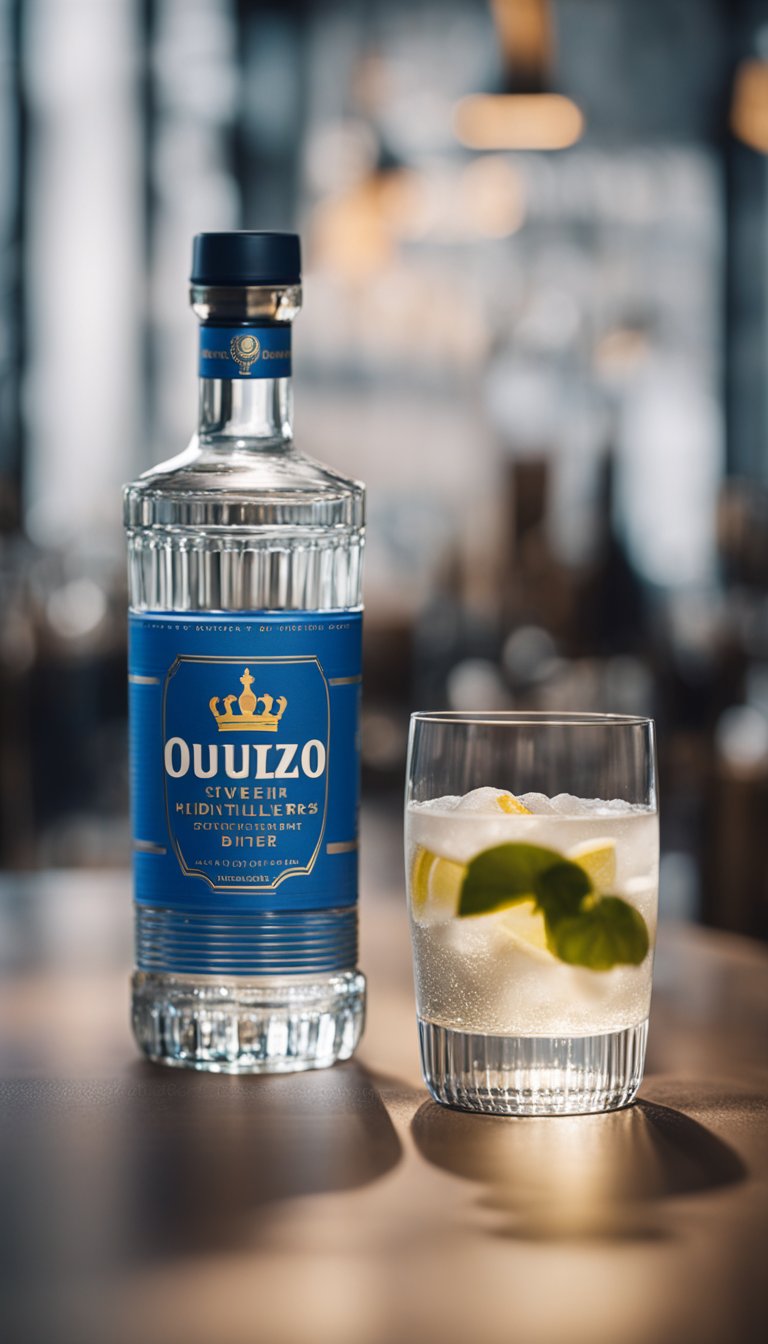
Exploring Flavorful Mocktails using Alcohol-Free Spirits
In the realm of beverages there’s a science behind creating delicious, alcohol-free drinks that are anything but dull. While exploring the fascinating spirit world that is alcohol-free, we arrive at a juncture where mixology and creativity merge seamlessly. In this article we’ll look at how to mix up delicious mocktails made of alcohol-free spirits that will rival counterparts from the alcohol industry in flavor and sophistication.
Unleashing Your Inner Mixologist
Before we dive into crafting mocktails and cocktails, it’s crucial to prepare ourselves with the equipment and ingredients that will elevate our creations. The items you’ll require:
Essential Tools
- Cocktail Shaker An essential tool to mix ingredients and the chilling of your cocktail.
- Muddler: For gently mashing herbs, fruits, or spices to release their flavor.
- Strainer In order to make sure that your cocktails are clean and free of any debris.
- Jigger is a precise way to measure of ingredients.
- Stirring Spoon: Ideal to blend ingredients easily without vigorous shaking.
- Glassware A selection of glasses for serving various mocktails.
Primary Ingredients
- Alcohol-Free Spirits is the center of attention! Choose from a range of alcohol-free spirits according to your desired flavor profile.
- Frische Fruits as well as Juices: Citrus fruits like lemons, limes, as well as tropical fruit and berries are a great way to add freshness and zing the mocktails you serve.
- Herbs and Spices: Mint, basil, cinnamon, and cloves are just several examples of substances that can help increase the complexity of your drinks.
- Sweeteners Examples include simple syrup, sweetened with agave, or honey are a good way to balance the flavors.
- Soda Water: An essential ingredient for making fluid mocktails.
- Garnishes Lemon twists, fresh fruit wedges and herbs might make your libations visually attractive.
How to Craft the Perfect Mocktail
With our items and ingredients in order, it’s time to dive into the world of creating mocktails. Let’s explore some classic mocktail recipes, which showcase the distinctive characteristics of alcohol-free spirits:
1. No alcohol Gin and Tonic
Ingredients:
- 2 oz Alcohol-Free Gin
- 4 oz Tonic Water
- 1 Lime Wedge
- Ice Cubes
Instructions:
- Place ice cubes in a glass and fill it with cubes.
- Pour the alcohol-free gin over the ice.
- Put the lime wedge in the glass and drop it into.
- Pour in tonic water and stir gently.
2. Virgin Whisky Sour
Ingredients:
- 2 Oz Alcohol-Free Whisky
- 3/4 oz Freshly Squeezed Lemon Juice
- 1/2 oz Simple Syrup
- Lemon Twist to Garnish
- Ice Cubes
Instructions:
- Use a shaker to add ice.
- Mix in the whisky that is alcohol-free the lemon juice, and simple syrup.
- Shake vigorously.
- Strain into a rocks glass that is filled with some ice.
- Garnish with a lemon twist.
3. Pina that is alcohol-free and non-alcoholic – a Colada
Ingredients:
- 2 oz Alcohol-Free Rum
- 2 oz Coconut Cream
- 4 oz Pineapple Juice
- Pineapple Slice and Cherry for Garnish
- Crushed Ice
Instructions:
- Mix the alcohol-free rum, coconut cream and pineapple juice together with crushed ice until it is smooth.
- Pour the drink into an ice-cold glass.
- Garnish it with a pineapple slice or a cherry.
These are only several examples of mocktails you can create with alcohol-free spirits. The possibilities are vast, and you’re able experiment with various combinations to meet your taste. Remember that the key to good cocktails is balance aEUR” the combination of sweet, sour, and aromatic components that dance upon your palate.
Exploring Mocktail Pairings
One of the best parts of creating mocktails is discovering the perfect pairings with various dishes and occasions. Here are some helpful tips to help you enjoy your mocktail:
-
Asian Tastes Mocktails that are fruit-forward can be paired with Asian food items like sushi or Thai curries to create refreshing contrast.
-
Grilled fare The spicy and smokey mocktails taste great with grilled meats and vegetables, providing the perfect balance.
-
Dessert Delights sweet mocktails with an underlying spice are ideal drinks to pair with indulgent desserts like chocolate cakes, crA”me brA>>lA(c)e.
-
Brunch Bites This bright and fruity mocktails fit for brunches, paired with breakfast dishes like eggs benedict, or French toast.
We continue to journey through this world filled with alcohol-free spirit as well as mocktail mixology Our next stop will be investigating the positive health effects and responsible consumption of these delicious drinks. Let’s lift our glasses (mocktail glasses, that’s) and enjoy the journey ahead!
In the next segment, we’ll examine the health-conscious benefits of drinking alcohol-free spirit and how they can become a part of a balanced lifestyle.
Transform Your Retail Selection: Bulk Order Swedish Distillers’ Non-Alcoholic Spirits Today!
The Health-conscious Choice: Benefits of alcohol-free Spirits
As we continue to explore in the fascinating world of alcohol-free spirits, we are on the brink of our quest to” knowing the numerous health benefits of choosing these alcohol alternatives. In this article we’ll go over the numerous reasons why people turn to non-alcoholic drinks as a choice for their health, and how it’s more than only a passing trend.
The Wellness Movement and Alcohol-Free Spirits
Accepting a Balanced Lifestyle
In today’s era of health and wellness consciousness Many people are considering reevaluating their choices and are looking for an equilibrium in all aspects of life, including what they consume. The rise of alcohol-free spirits has been an option that is in perfect alignment to this belief.
Reducing Alcohol Intake
One of the top reasons people go for alcohol-free spirit is to limit their alcohol consumption. The reason could be personal health reasons, a pregnancy or simply to be more mindful of drinking alcohol, alcohol-free spirits provide an option that allows individuals to enjoy the flavors of spirits without the associated alcohol content.
The benefits of quitting alcohol
Calorie Consciousness
Alcohol-free spirits tend to be lower in calories compared with their counterparts alcoholic. This appeals to individuals who are conscious of calories and looking to enjoy a drink without jeopardizing their diet goals.
Hydration, Refreshment and Food
Alcohol-free spirits can be enjoyed in numerous ways, including mixed with water or soda for a refreshing and refreshing choice, especially in hot weather, or after exercise.
Without Hangovers
One of the greatest benefits of spirit that is alcohol-free is the absence of hangovers. People can indulge in their favorite flavours without suffering from the unpleasant side effects of alcohol consumption.
Socializing that is inclusive and accountable
Designated Drivers
Designated driver status no longer means abstaining from tasty drinks. Alcohol-free spirits allow designated drivers to be part of social gatherings with no risk to safety.
Inclusivity
Alcohol-free spirits facilitate inclusion as they ensure that everyone including those who aren’t drinking and those with dietary restrictions, may celebrate toasts and celebrations and not feel excluded.
The Role of Mixology
Awarded Mixology
Mixologists and bartenders alike have taken to alcohol-free spirits as a canvas to explore their creativity. They craft complex and delicious alcohol-free cocktails that compete with their counterparts with alcohol, making sure that those who don’t drink alcohol still can enjoy top quality, handmade beverages.
Expanding Palates
For those seeking new taste experiences, alcohol-free spirits have various flavors and profiles. From herbal and botanical to smoky or spicy, there’s a wide array of delicious possibilities to explore.
The Intersection of Flavor and well-being
As we explore the world of alcohol-free spirits as well as their numerous benefits, we realize that these drinks are more than just a trend. They’re a way of life inspired by a need for wellbeing, inclusiveness, and the satisfaction of tasting flavors without the need of alcohol.
In our next issue In the next section, we’ll have a closer take a look at the neo-creative side that alcohol-free spirits offer, and explore interesting mocktail recipes that enhance your drinking experience to new heights. If you’re curious regarding the art of making intriguing alcohol-free drinks, keep following us as we begin an adventure in mixology.
Do you want to discover the world of alcohol-free mocktail recipes and discover the magic of mixology with these spirits? Let’s go on our quest and take a look at the art and science of making delicious mocktails that are both delicious and health-conscious.
The art of creating alcohol-free Mocktails that will elevate your drinking Experience
In our journey through the world of spirit that is alcohol free, we’ve delved into some of the benefits to wellness, the rise in popularity, as well as the variety of flavors these spirits offer. The next step is to dive deeper into the world of this fascinating we’ll arrive at the point at which creativity meets refreshment aEUR” the art of creating mocktails that are alcohol-free.
Mixology Unleashed: Making Alcohol-Free Masterpieces
The Mocktail Renaissance
Mixology The art and technique of making cocktails has taken a new direction as alcohol-free spirits. Mixologists, bartenders, and bartenders all over the world have been enjoying this trend and have created a renaissance of mocktails that break the mold of traditional cocktail making.
Premium Ingredients
Just like top-quality spirits form the basic ingredient of classic cocktails. The best spirits that are alcohol-free form the basis mix of the latest mocktails. These spirits, infused with botanicals or herbs as well as spices are able to provide a variety flavors that rival those of their alcohol-based counterparts.
Designing Your Own Alcohol-Free Cocktail
Basic Elements
Making a mocktail without alcohol starts in understanding the fundamental components. It’s necessary to have a base (the spirits that are alcohol free) as well as mixers (juices sodas, liqueurs, or beverages with flavors) as well as sweeteners (like syrups or honey) and garnishes (fruits, herbs, or spices).
the Power of Presentation
The way you present your drink is an important factor in the experience of a mocktail. From beautiful glassware to creative garnishes, the visual appeal of any mocktail is able to elevate your drinking experience.
It’s a trip through the profiles of flavor
Citrus Inspirations
The citrus flavors are very popular for mocktails. The zesty notes of lemon, lime, and orange could add a punch of color and a touch of sourness to your drink.
Herbal Infusions
Herbs such as basil, mint, and rosemary can infuse your drink with a burst of freshness. They’re typically mixed together or used as garnishes for releasing their aromatic oils.
Fruit Fusions
Fruits are the crown jewels of the ingredients of mocktails. If it’s the sweet flavor of strawberries, the tropical flavours of pineapple and the earthy flavour of berries, fruit adds flavour and character to your drinks.
Mocktail Recipes to enthuse Your Inner Mixologist
1. Sparkling Berry Bliss
Ingredients:
- 2 oz alcohol-free berry-infused spirit
- 1 oz cranberry juice
- 1 oz sparkling water
- Fresh berries and mint leaves to garnish
2. Citrus Sunrise Fizz
Ingredients:
- 2 oz alcohol-free citrus spirit
- 1 oz orange juice
- 1 oz pineapple juice
- A splash of the grenadine
- Orange slice and maraschino Cherry for garnish
3. Herbal Elegance
Ingredients:
- 2 oz alcohol-free herbal spirit
- 1 oz lemon juice
- 1 one ounce honey syrup (equal parts water and honey)
- Fresh rosemary sprigs with lemon twist to garnish
Socktail Mixology: Where Flavor meets Wellness
Making alcohol-free cocktails is not simply about re-creating traditional cocktails. It’s about making an entirely new universe of tastes and sensations. Each drink offers a chance for you to explore, try, and enjoy unique tastes while making a healthy choice.
What’s Next for Us on Our Journey?
In this section, we’ve explored the secrets behind mocktail mixology as well as the enjoyment of making cocktails that are alcohol free, our journey into this world continues. In the next segment, we’ll go over the importance of responsible drinking and socializing, providing a glimpse into how alcohol-free spirits are shaping an increasingly inclusive and mindful drinking culture. If you’re intrigued at the current state of social drinking, continue following and let’s talk about it the future together.
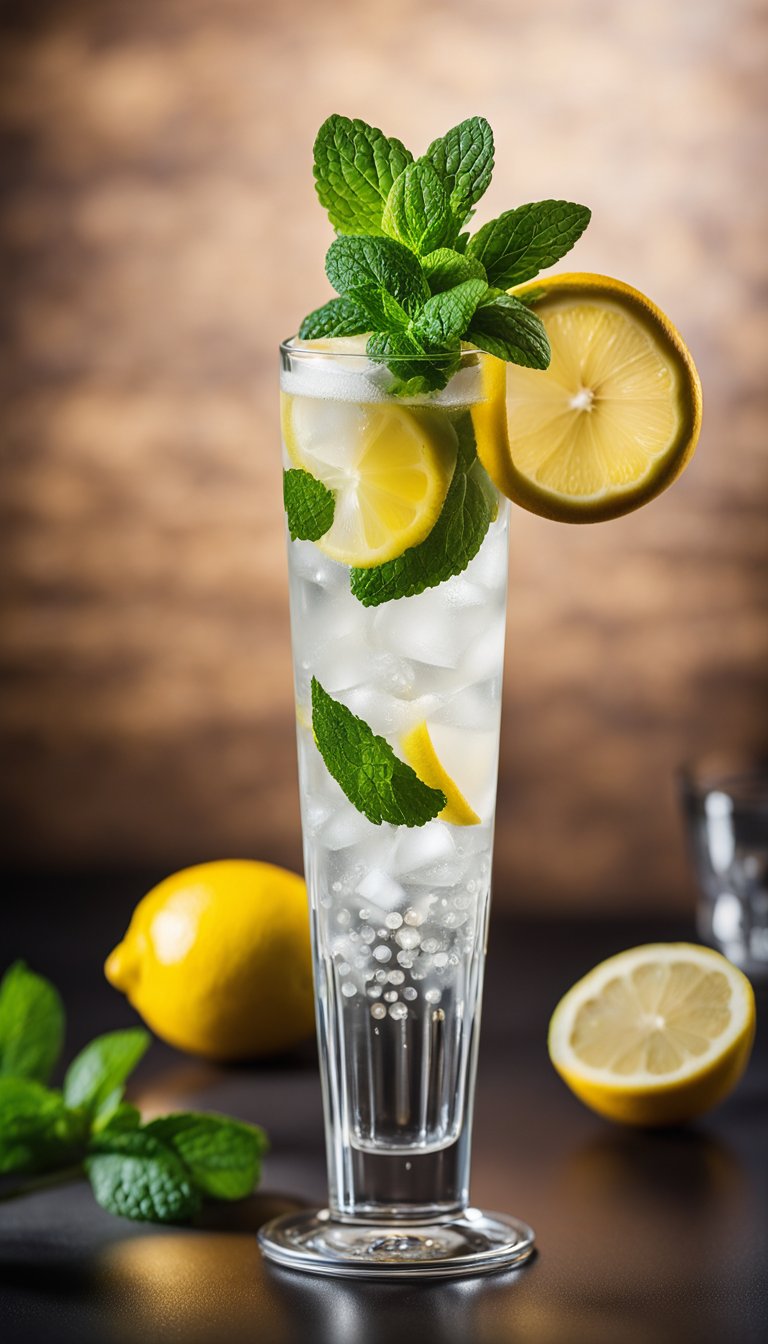
The future of alcohol-free Spirits: Redefining Social Drinking
Welcome to the third installment of our series on alcohol-free spirits. In this final installment, we set off into the future of social drinking and explore the way alcohol-free spirits are changing how we consume alcohol. Through this course, we’ve been able to discover the benefits of wellness and the art behind making mocktails, and the enthralling variety of flavors available from alcohol-free spirits. Now let’s gaze into the crystal ball and imagine a world where inclusive conscious, enjoyable, and mindful drinks for all are available.
The Rise of Mindful Consumption
A Shift in Perspective
One of most surprising changes we’ve witnessed in recent years is the shift in attitude concerning drinking. More people are opting to be mindful of the things they consume, and making decisions that are in line with their wellness and health goals.
“Alcohol-Free in the New Standard
Alcohol-free spirits have played a crucial aspect in this transition. They enable people to experience the social aspect in drinking without having to worry about alcohol content. So, individuals can enjoy delicious beverages without losing control of their alcohol consumption.
An Inclusive Drinking Culture
Breaking Barriers
A new generation of spirits that are alcohol free is breaking old alcohol-related barriers. Even if a person has a no-smoking policy in order to avoid health issues, religious reasons, as well as personal motives, they are able to still drink at social celebrations without feeling like they are excluded.
Creative Mocktails for All
The development of alcohol-free spirits led to a new phase of creativity in mixology. Restaurants and bars are equipped to offer an extensive range of mocktails. It’s ensuring customers who aren’t drinking can drink drinks that are just as enjoyable as traditional drinks.
Redefining Social Gatherings
The Host with Alcohol-Free Access
The idea of hosting social gatherings has changed thanks to the accessibility of alcohol-free spirits. Those who choose not to serve alcohol drinks at all times can have a variety of delicious mocktails, making sure that guests will have something distinctive to enjoy.
“The Responsible Choice”
Being a responsible host is now easier than ever before. With alcohol-free spirits available, you’re not only able to accommodate all your guests, but also encouraging responsible drinking.
A peek into the Future
New Innovations Are Awaiting
When we look ahead we can anticipate further creativity in the spirits that are alcohol-free sector. From new flavor profiles to advanced distillation techniques the options available for alcohol-free beverages will continue to increase.
Global Adoption
The growing popularity of alcohol-free spirits is gaining acceptance throughout the world. As more people get behind this style of drinking, it will increase the frequency of alternatives that are alcohol-free on menus or during social gatherings all over the globe.
A Review of Our Journey
Before we end this series, let’s take a moment to look back at the top aspects we’ve learned from our research into alcohol-free spirits:
-
article 1: Beginning our journey by exploring the wellness benefits of alcohol-free spirits, from improved sleep to lower calorie intake.
-
Article 2 Our team delved deep into making mocktails made without alcohol. The creativity is limitless, and presentation is everything.
-
Article 3: Taste buds enticed as we explored the world of flavor profiles, from citrus-like sensations to herbal infusions.
-
Article 4: We became mixologists as individuals making mocktails that are awe-inspiring and enthralling.
-
Article 5 (This Article): We gazed into the future of drinking socially, a place where mindfulness, acceptance, and innovation rule supreme.
Cheers to a brighter tomorrow!
When we pour our glasses filled with delicious alcohol-free mocktails and of courseaEUR”let’s toast to a future that is more inclusive, responsible, and enjoyable than ever before. Alcohol-free spirits are not only given us more choices in our drinks but have also changed the way we think about and respond to drinking. So when you sip a refreshing drink with citrus flavor or an elegant herbal elixir make sure you’re a part of an ongoing movement to change our drinking habits.
We are grateful for your participation to take this educational journey into the world of alcohol-free spirits. We’re hoping you’ll continue to research, experiment, and enjoy the amazing flavors that this new trend has to provide.
Cheers to a happier, more inclusive future for social drinking!
Unlocking the Best Trends for Alcohol-Free Spirits within the UK Make a Move!
In a society where health awareness and responsible drinking are becoming more important and important, the UK is witnessing an incredible change in the way it drinks. Gone are the days when alcohol was the main ingredient and the spotlight is now on the exciting realm of alcohol-free spirits. In this article, you will embark in a journey to explore the latest trends in alcohol-free spirits that are making waves across and across the United Kingdom.
We’ll begin by exploring the first section, where we’ll look at the remarkable rise of alcohol-free spirits and the forces behind this transformative trend.
Section 1: Rise of Alcohol-Free Spirits
In recent times, the UK is witnessing an amazing growth in popularity of alcohol-free spirits. What was once a niche market is now an industry that is growing rapidly and the motives behind the change are many.
The Changing Landscape
The British landscape’s drinking culture is undergoing a radical change. Things like health consciousness and wellness trends, along with an increased desire to make prudent choices have all come together to create the demand for alcohol-free spirits.
Consumers are becoming more aware of the negative health effects associated with excessive alcohol consumption. This awareness has opened the way for a shift in preferences increasing the number of people searching for alternatives that allow them to have the pleasure of a well-crafted drink without the accompanying alcohol level.
The Pandemic Effect
The worldwide COVID-19 outbreak has undoubtedly left a lasting impact on the way we socialize and consume beverages. As a result of the lockdowns and restrictions as well as health concerns at play numerous people turned to alcohol-free options as a method of maintaining their health. The pandemic spurred the growth of the market for alcohol-free spirits in the wake of people seeking ways to connect and relaxation, all from the comfort of their homes.
Beyond Mocktails
This trend isn’t restricted to the lack or use of alcohol within traditional drinks, it is also a source of a variety of elegant and delicious alcohol-free spirits that can stand up on their own. These spirits can be enjoyed in various ways, from sipping the liquor neat, to creating complex non-alcoholic cocktails that rival their alcohol counterparts in flavor and complexity.
What’s Next?
As we close our exploration of the rise of spirits without alcohol, it is clear that this trend isn’t simply a trend or a fad. It’s a cultural shift driven by a combination of health-consciousness, changing consumer preferences, and the impact of the pandemic.
In the next part in the next section, we’ll look into the exciting world of diverse flavors and ingredients that define the world of alcohol-free spirits that are available in the UK. Begin by exploring the delicious and aromatic universe of non-alcoholic ingredients and botanicals that will shape how we see the future for this business.
Follow us for this journey of discovery!
+BILD+
“A Taste Explosion,” Experiencing the Variety Blends of Alcohol-Free Spirit Flavors
Introduction
Welcome back into the vibrant life of alcohol-free spirits! In the last section we explored the increasing popularity of spirits that are alcohol free across the UK and the factors propelling this incredible trend. The time has come to go deeper into the middle of this exciting industry and explore the stunning variety of flavors that have captivated our palates across the United States.
In the next part this time, we’ll take a dive into the myriad flavors and smells offered by alcohol free spirits. From classic botanicals to exotic fusions, all non-alcoholic beverages has a wealth of tastes waiting to be discovered.
Section 2: Flavorscapes of Spirits that are alcohol-free Spirits
Classic Botanicals: A Timeless Elegance
The bold flavors, the classic sophistication It’s what traditional botanicals contribute to the world made of alcohol-free spirits. These fundamental ingredients, usually linked to traditional gin, and other spirits, give the same flavor, but with a refreshing twist.
-
Juniper up to berries The basis of many classic spirits, they add a piney and slightly citrusy note to alcohol-free choices.
-
Coriander: With its spicy, warm and slightly citrusy flavor, coriander adds depth and depth to blends of non-alcoholic botanicals.
-
Angelica root known for its herbal and earthy scent, angelica root is a unique and harmonious flavor to alcohol-free spirits.
Exotic Infusions – A World of Possibilities
While traditional botanicals offer a warm and comforting environment, alcohol-free spirits are also open to exotic. The exploration of flavors from all over the world has become an integral part of this thriving industry.
-
Citrus Zest Consider vibrant lemon, zesty lime, and exotic Yuzu. Citrus zest infusions enhance spirits without alcohol with a blast of tang and brightness.
-
Spices: From the warmth of cardamom to the fiery kick of chili, spices are a blend of nuances which elevate your alcohol-free experience.
-
Tropic Fruits: Mango, pineapple, and passion fruit aEUR” These tropical fruits inject a feeling of bliss into non-alcoholic concoctions, delivering an unforgettable experience for your taste senses.
Herbaceous Elegance: A Botanical Symphony
Many alcohol-free spirits derive their distinctiveness from a designed blend of plants. This herbal approach creates an enchanting interplay of aromas and flavors.
-
Rosemary Aromatic fragrance of pine and a mildly spicy taste, rosemary is a touch of Mediterranean beauty to alcohol-free beverages.
-
Lavender It is known by its pleasant aroma Lavender adds a floral slight sweetness to spirits that are not alcoholic.
-
Basil Fresh and fragrant Basil infusions impart alcohol-free spirits with a vibrant herbaceous scent.
What’s Next?
In our quest to discover the amazing variety of flavors available in alcohol-free spirits, we can see that the industry isn’t solely about mimicking alcohol drinks but also about creating a distinct and distinctive drinking experience. The combination of traditional herbal infusions with exotic flavors, and elegant herbaceous style demonstrates the creative and innovative spirit which are the driving force behind this style.
In the following section we’ll explore the technique of mixology and find the secrets of making exquisite non-alcoholic drinks that are becoming a huge hit in the UK to the streets. Join us on this journey to discover the taste and the creativity as we dive into the world of alcohol-free mixology!
Come along with us, and let your senses be seduced!
+LINK+
Inspiring the Art of Mixology: Crafting Spectacular Alcohol-Free Cocktails
Introduction
Through our exploration of the intriguing world of alcohol-free spirits, we’ve taken a journey from understanding the increasing popularity of these drinks to diving into the diverse and thrilling flavors they have to offer. Now, we’re ready to take on a brand-new adventureaEUR”one which involves shakers, mixologists, and a pinch of creativity. Welcome to the world cocktailology that doesn’t contain alcohol!
In the third part we’ll look into the art of crafting extraordinary alcohol-free cocktails. It will explore how skilled mixologists and home enthusiasts alike are revolutionizing the drinking experience in the UK and beyond, one enticing sip at each time.
Section 3: The Art of Alcohol-Free Mixology
The Rise of Alcohol-Free Mixology
-
A new era in bartending: Mixology is no longer confined to alcoholic beverages. Mixologists with no alcohol are emerging pioneers, creating innovative and delicious drinks catering to numerous tastes.
-
Healthy choices A rising consumption of alcohol-free cocktails shows an evolving lifestyle towards health and mixologists are accepting this trend with all of their hearts.
-
Innovative ingredients: The tools of an alcohol-free mixologist has a broad range of ingredients, ranging from handmade bitters to alcohol free distilled spirits that resemble alcohol-based counterparts.
The Art of Making the Perfect Alcohol-Free Cocktail
The Foundation is Alcohol-Free Spirits
To create exceptional alcohol-free cocktails One must start with a strong foundationaEUR”the alcohol-free spirit.
-
Beautiful and awe-inspiring Gins with no alcohol provide a juniper-forward taste much like traditional gin making a great canvas for mixology.
-
Rum without buzz Alcohol-free rum can be described as thick and rich in molasses, allowing for the creation of alcohol-free versions classic cocktails based on rum.
-
Whiskey with no bite Non-alcoholic whiskey reveals smokey and oaky notes that are suitable for the creation of alcohol-free versions to Old Fashioned and Manhattan cocktails.
Mixers Plus Bitters, Mixers, and Beyond
Mixologists masterfully mix a symphony of bitters, mixers and other flavor enhancers that elevate their creations.
-
tonic waters Craft tonic waters are infused with a range of distinct flavors, including classic citrusy profiles, to intriguing herbal infusions.
-
Bitters: Alcohol-free bitters contribute in depth and complexity to alcohol-free cocktails, with flavors ranging from aromatic to spicy.
-
Flowers and garnishes fresh herbs such as basil and mint, along the citrus twists, and even edible flowers provide a stunning and fragrant aspect to alcohol-free cocktails.
Aesthetics of Presentation
The presentation is a crucial aspect of mixology, and non-alcoholic drinks don’t differ.
-
Glassware: Selecting the appropriate glass improves the visual appeal of a drink. Highball glasses, coupe glasses, and mason jars each provide a unique drinking experience.
-
Garnishes From elaborate citrus twists to simple sprigs of rosemary. Garnishes do more than just look lovely, but make a delicious aroma.
-
Ice*: The type or size can impact the dilution as well as the temperature of the cocktail, making it an important consideration.
What’s Next?
In the world of mixology that is alcohol-free, it becomes clear that this isn’t trend that’s going to fade away any time soon. Alcohol-free cocktails are here to stay and they’re transforming into an artform that focuses on creativity, flavor, and wellness.
In the next segment we’ll take a look at the growing market of alcohol-free spirits in the UK exploring exciting brands and products that are leading the way in this direction. Stay with us as we continue our exploration into the world that is alcohol-free.
Keep an eye out to find out more, and let your taste buds prepare for a scrumptious journey!
+BILD+
Navigating the Alcohol-Free Spirit The Landscape of the UK
Introduction
We’re back with our journey into our world of spirit that is alcohol-free. In our previous posts we’ve explored the trends and flavors of spirits with no alcohol to understanding the art of crafting delicious alcohol-free cocktails. This time, we’re ready to embark on a brand new adventureaEUR”to traverse the complex landscape of alcohol-free spirit brands in the UK.
In the fourth and final part of this article we’ll explore what brands and items that are driving the drink-free revolution that is taking place in the UK. From established names to newcomers, we’ll discover the diversity and inventiveness that make up this vibrant market.
Section 4: Experiencing Alcohol-Free Spirit Brands in the UK
The Pioneers
Seedlip The Original Non-Alcoholic Spirit
-
A botanical delight: Seedlip was one of the first to introduce the category of alcohol-free spirits, providing botanical blends that resemble the complex gin flavor.
-
A expanding brand: Seedlip now boasts different flavors, including Garden 108, Spice 94, as well as Grove 42, each with its own distinctive flavor profile.
Lyre’s: Constructing the Classics
-
A classic spirit, no alcohol Lyre’s has created its mark by producing classic spirits such as whiskey, gin and rum without the alcohol.
-
A myriad of choices The Lyre range covers a broad spectrum of spirits, ensuring that there’s an alcohol-free option for every person.
The Craft Distillers
Borrago: The Elegant Spirit
-
Elegance in bottles: Borrago’s alcoholless spirit has been created to provide a chic alternative to the traditional gin.
-
A sophisticated experience featuring notes of cardamom, rosemary, along with citrus. Borrago serves those wanting a high-end alcohol-free solution.
Ceder’s: The Essence of Gin
-
Swedish inspiration Ceder’s has a unique blend of traditional botanicals of gin together with South African botanicals, creating an unbeatable alcohol-free gin taste.
-
Distinctive blends Ceder’s has various flavors, starting from Classic to Crisp offering a range of options in the alcohol-free cocktails made with gin.
The Innovators
Stryyk: Zero Proof, Maximum Flavor
-
Alcohol-free and flavor-packed: Stryyk challenges the notion that alcohol is necessary to make bold and complex flavors.
-
Three distinct choices Stryyk’s Gin, Not Vodka, and Not Rum offer alternatives to various styles of cocktails.
Everleaf: A journey through Botanicals
-
This is a universe of plants: Everleaf takes you on a voyage through the amazing world of the botanicals with its unique alcohol-free aperitif.
-
It’s a taste experience featuring flavors like vanilla, saffron as well as cassia Everleaf offers a sensory adventure in glass.
What’s Next?
When we look at the brands and products which make up the market for alcohol-free spirits in the UK it is apparent that this industry is flourishing with new ideas and creativity. Whether you’re seeking the traditional, sophisticated choices, or innovative new flavors, there’s an alcohol free spirit brand to suit your needs.
In the final part of our journey to the end of our journey, we’ll look back and think about the overall impact that alcohol-free spirits have on the drinks industry as well as consumers. We’ll also give a succinct recap of our exploration, tying together the key findings from each chapter.
So, please stay with us as we approach the climax of our investigation into alcohol-free spirits. What’s best to come is to be discovered!
The alcohol-free spirit revolution A Journey Revealed
We’re pleased to announce the grand conclusion of our tour through the fascinating world of alcohol-free spirit. In the fifth and last segment, we’ll reflect on our experience, discuss important lessons learned, and give glimpses into how this rapidly evolving industry.
Recap: Our Journey So Far
Before we delve into the future now, let’s pause to reflect on our journey in the alcohol-free spirit world.
First Section: Understanding Alcohol-Free Spirits
In our first section, we laid the foundation of our investigation. We identified what spirits that are alcohol-free they, looked into their growing popularity, and revealed the reasons behind this trend. Important aspects from this section include:
- The increasing demand for alcohol alternatives.
- The role of wellness and health fueling the trend.
- The variety of flavors and plants in alcohol-free spirits.
Section 2: Crafting alcohol-free Cocktails
Our next segment was about creating alcohol-free cocktails. We explored mixing techniques along with delicious recipes, and highlighted the significance of balance and creativity in alcohol-free mixing. The key lessons learned from this segment include:
- Mixology can be described as a form of self-expression.
- It is crucial to use high-quality ingredients.
- Recipes for classic alcohol-free cocktails like those of Virgin Mojito and Nojito.
Section 3: It’s all about Flavors A World of Flavors: Alcohol-Free Spirit Alternatives
In our last section, we explored the rich and diverse world of alcohol-free spirits. In addition to whisky, botanical and other alternatives, it was easy to see the variety of options offered to consumers. Noteworthy points from this article include:
- Brands that pioneered the market, such as Seedlip as well as Lyre’s.
- The growth of distillers who craft their own spirits offering premium alcohol-free options.
- Innovative brands like Stryyk and Everleaf expanding the boundaries of flavor.
Section 4: Exploring brands that are alcohol-free in the UK
Our fourth chapter was a voyage through UK’s market for alcohol-free spirits. We investigated the pioneers as well as craft distillers and innovators in the industry. This section offered insight into:
- Herbs and plants of the Seedlips.
- Lyre’s determination to recreate traditional spirits.
- Borrago’s sophistication and elegance.
- Ceder’s mix is a fusion Swedish along with South African botanicals.
- Stryyk and Everleaf’s unique and bold offerings.
The Future of Alcohol-Free Spirits
As we conclude our exploration and conclude our exploration, we see that the world of alcohol-free spirits filled with possibilities. What are the prospects for this burgeoning industry?
Continued Innovation
Innovation will continue to be the driving factor behind alcohol-free spirits. Expect to see more brands experimenting with unique flavor profiles and ingredients, pushing the boundaries of what’s feasible in the out of the alcohol.
Expanding Market Coverage
Alcohol-free spirits aren’t anymore niche items. They are being sold more in bars, restaurants, and in retail stores. The market will continue to expand as consumers search for healthier and more mindful beverage choices.
A Global Phenomenon
What began with a small-scale trend in a region has rapidly become an international phenomenon. As awareness of alcohol-free spirit grows, we can expect an increase in interest from around the world and competition.
Final: Cheers to the Future
In conclusion, our travels through the world of alcohol-free spirits is nothing short of fascinating. From understanding the patterns and flavours to making amazing cocktails, researching different brands, and seeing into the future, we’ve found the huge potential of this exciting business.
If you’re embarking on your own journey into this world that is alcohol free, consider that the possibilities for you are endless. It doesn’t matter if you’re a pro mixologist or just a curious consumer there’s a vast array of flavours waiting to be explored. Welcome to the future of alcohol-free spirits where every glass can provide an opportunity for inspiration and wellness.
Thank you for coming along on this journey. Keep watching for further insights into the world of drinks.
unlocking your access to the EU or UK alcohol-free Spirit Market Segmentation: Act Now to be Successful!
In a time in which the tastes of consumers are changing rapidly, the alcohol-free spirit market is experiencing significant changes. It is the EU and UK, known for their extensive traditions in alcohol-based drinks however, are experiencing an increase in demand for alcohol-free alternatives. To navigate through this changing landscape effectively, businesses need to know the nuances of segmentation of markets. In the first installment of our series we’ll examine the basic principles of market segmentation as well as explore its significance for alcohol-free spirits.
Why Market Segmentation is Important
Market segmentation refers to the process of dividing an entire market into smaller easier to manage segments according to specific characteristics, preferences, and behavior. It is a strategic tool that enables businesses to adapt their products and marketing efforts to meet the particular requirements of each segment. Here’s a reason why segmentation of markets is important:
-
Markets that are targeted: Through the identification of distinct segments of consumers in the market companies can craft targeted marketing campaigns that align with the preferences and requirements of every segment. This leads to more efficient marketing strategies and higher conversion rates.
-
Personalization of Products: Being aware of different segment markets enables companies to create products that are tailored to the preferences and requirements of each market segment. This does not just increase the customer’s satisfaction but also creates brand loyalty.
-
Responsiveness: Segmentation of markets helps assign resources efficiently. Instead of adopting a single-size-fits-all approach, businesses should focus their resources on those segments with the greatest potential for growth and profit.
-
The Competitive Advantage businesses that can effectively differentiate their markets gain a competitive advantage. They are able to identify gaps in the market, develop unique value propositions, and distinguish themselves from their competitors.
-
Customer Retention: A customized marketing strategy and product will result in better customer satisfaction and, consequently will increase the retention rate of customers. More loyal customers are more likely to become advocates for your brand.
Alcohol-Free Spirit Markets in the EU and UK
Different kinds of alcohol-free spirits
Before you can dive into market segmentation, you need to be aware of the alcohol-free spirit environment in the EU as well as the UK. The market has experienced a phenomenal expansion, and there’s an ever-growing number of alcohol-free spirits readily available. The most prominent categories include:
-
Alcohol-Free Gins: Constructed in order to preserve the botanical essence of traditional gin, alcohol-free spirits offer similar flavor profiles but that are alcohol-free, without the sugar content. They are well-known for their versatility in cocktails and as standalone drinks.
-
Alcohol-Free Whiskeys: Alcohol-free whiskeys strive to replicate the rich and smokey flavors of the traditional whiskey. They are ideal for those who enjoy the taste and aroma of whiskey but would prefer to stay away from alcohol.
-
Alcohol-Free Vodkas: Alcohol-free vodkas provide the crisp and clean characteristics of traditional vodka but without the alcohol. They can be found in many mixed drinks and mocktails.
-
Alcohol-Free Rums: Non-alcoholic rums can capture the sweetness and richness of traditional rums, which makes the perfect ingredient for beverages that are alcohol-free.
-
Tequilas that are alcohol-free: These options retain the earthy and agave-like notes you’d expect from traditional tequilas making them a delicious basis for alcohol-free margaritas as well as other cocktails.
The array of alcohol-free spirit is a sign of the industry’s determination to serving a wide array of consumer tastes and preferences. As the market for these products continues to increase, understanding market segmentation becomes increasingly crucial for businesses seeking to thrive in this dynamic world.
In the coming section, we’ll discuss how consumers’ preferences play an important role in alcohol-free spirit market segmentation. This will shed light on the elements that motivate people to choose alcohol-free options. Let’s go deeper into this exciting journey of understanding what is happening in the EU and UK market for alcohol-free spirits.

Maximize Your Offerings: Bulk Order Alcohol-Free Spirits Directly from Swedish Distillers!
Understanding consumer preferences and the EU and the UK Alcohol-Free Spirit Market
In our first segment, we looked at the basics of market segmentation in the thriving EU as well as the UK whisky market. Alcohol-free drinks are not a problem. The second part of our series delve deeper into how to get to the bottom of the issue: consumer preferences. Knowing what motivates consumers to make the decision to drink alcohol-free is crucial for those who want to find their niche within this evolving market. Let’s embark on this journey of discovering.
The Evolving Consumer Landscape
The preferences of consumers are at the basis of every market, and the market for spirits that are alcohol-free is no different. The following facts can shed light on the changing consumer landscape:
Fitness and health trends
One of the primary reasons for the alcohol-free spirit market is the global trend toward health and wellness. More and more consumers are conscious of their health and searching for products that can be aligned with their goals of a healthy and balanced lifestyle. Alcohol-free spirits can be a good option that allows you to enjoy the flavors and social aspects of drinking without the harmful health risks of alcohol.
Millennial Influence
The millennials born between 1981 and 1996, have become dominant in influencing the fashions of consumption. This generation values experiences over possessions and is more prone to look for healthier and innovative alternatives, such as alcohol-free spirits. They’re also an important group for businesses to target.
Social Responsibility
Consumers, particularly younger ones have become more socially responsible when it comes to their purchases. They support brands that are ecologically friendly, ethical and mindful of their social responsibilities. Alcohol-free spirits that promote sustainable production methods and sustainability often resonate with these consumers.
Flavor Variety
The alcohol-free spirit market has responded to consumer demand to offer a wide variety of flavors. There are many options available, including a botanical-infused Gin, a smooth alcohol-free whiskey, or a tropical alcohol-free rum The variety of flavors available caters to different taste preferences. This is a huge draw for those who are looking for an element of novelty and excitement in their drinks.
It is also recommended to reduce alcohol consumption. Reduction and Abstinence
For those who want to decrease their consumption of alcohol, or for those who have decided to avoid the consumption of alcohol liquor-free spirits offer the perfect alternative. They let people take part in social gatherings and take pleasure in the process of making cocktails without the harmful effects of alcohol.
Some of the most important aspects to consider when segmenting markets
Understanding the preferences of consumers is essential to market segmentation. For effective segmentation of the EU and UK spirits that are alcohol-free, businesses should look at the following:
Demographics
The demographics of age, gender, income level and geographical location play a crucial role in determining the tastes of consumers. For instance, younger consumers may be more inclined towards unusual flavors, whereas older people may be more inclined to focus on health benefits.
Lifestyle
The way they live their lives affects their choices. people who are active might look for low-calorie or energy-boosting alcohol-free alternatives, while others might enjoy alcohol-free spirit for relaxing evenings at home.
Special occasions
Every occasion calls for various beverages. Businesses should consider how consumers use alcohol-free spirits – whether to celebrate a party, social gatherings or just personal relaxation and modify their marketing strategies as a result.
Taste Preferences
Flavor profiles matter. Certain customers prefer the botanical notes in gin, while others might prefer the smoky, rich flavor of whiskey. Segmenting the market based on consumer preferences lets companies target specific niches effectively.
Values and Ethical Considerations
Brands that are popular with consumers match their ideals. Companies that focus on ethical sourcing in addition to sustainability and responsible production can resonate with those who value social responsibility.
By taking these variables into account, businesses can create targeted marketing campaigns produce products that satisfy specific consumer requirements, and establish a strong position in both the EU and UK alcohol-free spirit markets.
In our next chapter We will dive deeper into the market’s competitive landscape with a focus on the top players and strategies that are shaping its future. Follow us for updates on how you can get noticed in this lucrative market.
Formulating a Strategy that is Successful with the EU as well as the UK market for alcohol-free spirits
Welcome to the final installment of our travels through to the EU and UK alcohol-free spirit market. In previous segments we looked into the segmentation of markets and consumer preferences while revealing the changing landscape that businesses have to traverse. This time, it’s time determine how to create an effective strategy in this emerging industry.
Knowing the Competitive Landscape
Before you begin the process of developing a strategy it’s essential to be aware of the competitive landscape. The market for alcohol-free spirits is highly competitive and dynamic, with many players trying to get attention of consumers. Here are some of the key perspectives on the state of the market:
Market Growth
The market for alcohol-free spirits has seen a significant growth with new brands joining the market every day. As consumer demand continues to grow, competition is escalating and making it more important for companies to differentiate themselves.
Established Players
Many established brands dominate the market, and enjoy high brand recognition and loyalty. They’ve set the benchmark for flavor and quality and make it difficult for aspiring newcomers in the market to break through.
Niche Players
These niche players have succeeded in catering to specific customer groups or offering distinct flavor profiles. They often succeed by solving unmet demands in the market.
Crafting Your Unique Selling Proposition (USP)
To be noticed in this fiercely competitive marketplace, businesses must define a compelling Unique Selling Proposition (USP). Your USP is what sets you apart and allows consumers to select your alcohol-free spirits over others. Here are some ways to think about:
Flavor Innovation
In a marketplace driven by diverse taste preferences Innovative flavor profiles can be game-changing. Test out new botanicals, infusion methods, and organic extracts for unique flavor profiles.
Health and Wellness Focus
In light of the health-consciousness trend that is sweeping consumers, highlighting the health benefits of your alcohol-free spirits could be a powerful USP. You can highlight sugar-free, low-calorie and natural ingredients.
Sustainability and ethics
Customers are increasingly inclined to choose brands that emphasize sustainability, ethical sourcing, and a responsible production. Display your commitment to these principles in your marketing and packaging.
Marketing and Branding
Effective branding and marketing is essential. Develop a branding identity that is recognizable to your intended audience and tells an engaging story. Make sure you invest in attractive packaging that conveys the essence of your brand.
Partnerships and Collaborations
Work with influencers, bars, restaurants, and event coordinators to expand your reach. Strategic partnerships can introduce your products and services to a wider crowd.
Specific Marketing and Consumer Education
Once you’ve established your USP, it’s time to put your focus on marketing and education. Here’s how:
Digital Marketing
Utilize the power of online marketing to reach your targeted viewers. Put money into search engine optimization (SEO) so that your website is ranked well in search results. Use social media to engage with customers and promote your products.
Content Creation
Create informative content that informs people about the benefits and flexibility of alcohol-free spirits. Blog posts, videos, and infographics are a great way to help customers find ways to incorporate your products into their everyday lives.
Tasting Events
Organize tasting events at the bar, restaurant, or other alcohol-free events. Inviting people to experience your spirit firsthand can be a persuasive selling strategy.
Customer Support
Offer exceptional customer support to resolve customer concerns and build trust. Professional and prompt customer service can turn potential customers into trusting advocates.
In our next segment we’ll go over distribution channels and the best ways to effectively get your products into the consumer’s hands. Stay tuned for information about the expansion of your market and making your alcohol-free spirits available to a larger audience.
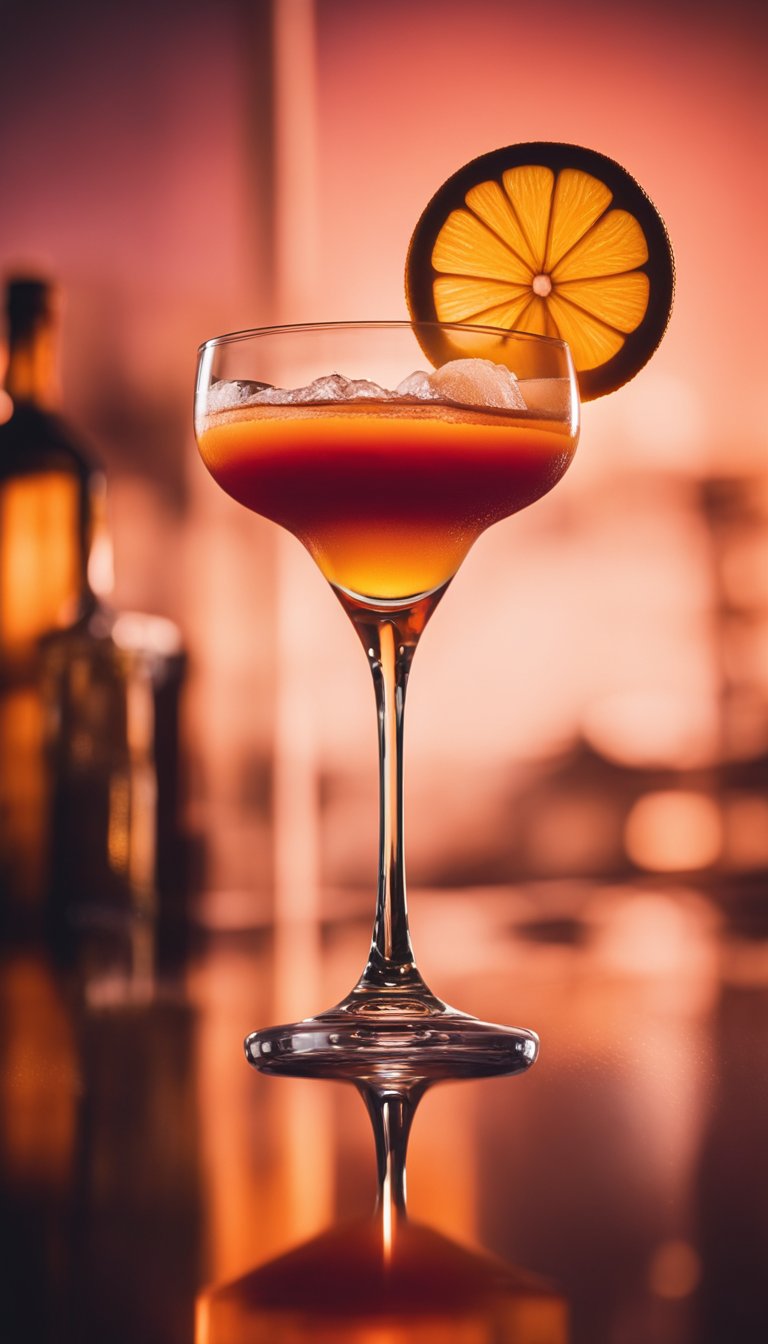
The Distribution Channels You Need to Use: Getting Your Alcohol-Free Spirits in front of consumers
In our investigation of to the EU and UK alcohol-free spirit markets, we’ve explored market segmentation preferences of consumers, and the art of crafting an effective Unique Selling Proposition (USP). Now, we’re turning our focus to another important element that can make or break your business: distribution channels. How can you efficiently make your alcohol-free beverages get into the hands of eager buyers? Let’s dive in.
Understanding Distribution Dynamics
Before developing your distribution strategy it’s important to comprehend how alcohol is incorporated into the spirit market. Here are the essential insights into present distribution trends:
Traditional Retail
Traditional retail channels, including supermarkets and liquor stores, are traditionally the main outlets for distribution of alcohol. However, the market is changing as people seek healthier alternatives.
Online Retail
E-commerce has revolutionized distribution of spirits that are alcohol-free. The internet lets consumers explore a multitude of options, which makes it a viable way for emerging brands.
Specialty Stores
Specialty stores that cater to health-conscious buyers or those searching for products that are unique have become significant distribution partners. Make a plan to partner with these stores to connect with those in niche markets.
Bars and Restaurants
Restaurants and bars can play a significant role in introducing consumers to alcohol-free spirit. Collaborate with establishments to include your products in their menus.
Making Your Distribution Strategy
Once you’ve got an understanding of distribution dynamics, let’s craft a winning distribution strategy:
Multi-Channel Approach
You should consider a multi-channel distribution plan to reach a wider group of customers. Combine traditional retail, ecommerce and specialty stores to boost your reach to the market.
Online Presence
Invest into a robust online presence. Create an online shop that is user-friendly with a shopping cart that customers can use to make purchases, or learn about your products. Optimize your site to be search engine friendly (SEO) to improve your online visibility.
E-Commerce Partnerships
Explore partnerships with top platforms for e-commerce, like Amazon or specially-designed alcohol-free spirit marketplaces. These platforms have built-in communities interested in discovering new products.
Wholesale Partnerships
Distribute or partner with wholesalers who specialize in alcohol-free drinks. With their established relationships, they can aid in the distribution of your products to more retail outlets.
Direct-to-Consumer (DTC)
It is worth considering a Direct to Customer (DTC) strategy, where you sell your alcohol-free spirits directly to consumers through your website. DTC lets you earn higher earnings and more satisfying customer relationships.
Regulatory Compliance
The market for alcohol-free spirits also means ensuring compliance with rules and regulations. Ensure that your products meet all legal requirements, and also obtain the permits and licenses required to sell your product.
Consumer Education
Informing consumers about your product is critical to ensuring that your products are distributed successfully. Take note of the following strategies:
Informative Website
Create a website that offers comprehensive information on the product along with cocktail recipes as well as most frequently requested questions (FAQs). This information can guide consumers in making educated choices.
Tasting Events
Hold tasting events at various distribution points, which allows consumers to try your alcohol-free liquor. These events provide a hands-on experience to build brand trust.
Social Media
Use social media platforms as a way to connect with customers and share materials that educate them on how to make use of your products.
Introduction to the Next Section for Keeping Market Relevance
When we finish this section on distribution channels and distribution channels to keep in mind that getting alcohol-free spirits into the buyers’ pockets is only the beginning. In the next chapter we’ll look at strategies to maintain market relevance as well as continuously adapting to evolving consumer needs. Be on the lookout for new insights into innovative products and staying one step ahead of the competition.
Maintaining Success: Navigating the EU and the UK Alcohol-Free Spirit Market – Part 5.
The final article of our extensive series on how to manage the EU and UK market for alcohol-free spirits. In this final post, we’ll discuss the most important aspects of maintaining market relevancy and summarize the most important lessons from our travels. Let’s begin this final leg of our exploration.
Staying Ahead of the Game Through Innovation
The market for alcohol-free spirits continues to grow being ahead of the pace is vital. Here’s how to invent to keep your market relevant:
New Product Development
Make investments in research and development to create new alcohol-free spirits that adapt to evolving consumer preferences. Try out new flavors in the form of ingredients, packaging, and even packaging to grab the attention of consumers.
Health and Wellness Focus
Be sure to emphasize the health- and wellness aspects of your products. Highlight nutritional benefits, natural ingredients, and how your spirits without alcohol can be an integral part in a healthy and balanced lifestyle.
Sustainable Practices
Choose sustainable production methods for your products and packaging. Eco-friendly options appeal to environmentally aware consumers and could set your company apart.
Marketing and branding
Effective branding and marketing are pillars to sustained successful business. Look at these strategies:
Storytelling
Tell your story with captivating content. It should be clear what the brand’s journey is, its values, and mission behind your alcohol-free spirits to make connections with your customers on a more intimate level.
Collaborations with Influencers
Partner with influencers in healthcare and wellness as well as mixology industries. Their endorsement can expand your reach, as well as boost your credibility the target audience.
User-generated Content
Encourage your customers to post their experiences with your products on social media. Content that is created by customers can help create a sense of belonging and credibility around your brand.
The industry is adapting to changing consumer preferences
Fashions and trends for consumers are constantly changing. In order to stay relevant, monitor and keep up with these trends:
Health and Wellness Trends
As health-consciousness grows, align your products with trends that promote wellness. Offer low-calorie, sugar-free, or alcohol-free functional spirits to meet consumer demands.
Cultural Celebrations
Get involved in cultural celebrations and holidays. Make special cocktails or editions that are specifically designed to capitalize on seasonal demand.
Recap of Our Journey
Throughout this series, we’ve walked the complicated landscape of the EU and UK liquor-free market. Let’s summarize the key points from each article:
Article 1: Market Segmentation
Understanding your intended audience and segmenting the marketplace is crucial for success. Determine the areas of interest within the alcohol-free spirit industry to ensure you can tailor your products efficiently.
Article 2: Crafting a Compelling USP
Crafting a Unique Selling Proposition (USP) helps differentiate your brand. You should identify what sets your alcohol free spirits apart, be it taste, ingredients, or sustainability.
Article 3″Distribution” Channels
Effective distribution is key. Use a multi-channel approach. make investments in e-commerce, and look into partnerships for reaching an even greater audience.
Article 4: Regulatory Compliance and Consumer Education
Compliance with the law is a requirement. Instruct consumers about your products via informative tasting events, websites, and social media engagement.
Article 5: Sustaining Success
Innovation branding, innovation, and adaptability are vital to ensuring success. Keep an eye on consumer trends, pay attention to health and be sure to celebrate important cultural moments.
Conclusion
Within the fast-moving EU and UK alcohol-free spirit market lasting success requires constant development. From marketing segmentation to distribution systems, regulatory compliance, and the latest innovations We’ve covered the fundamental aspects to succeeding in this business.
Remember, success isn’t an end-all-be-all. It’s a process of constant improvement and adaption. By remaining flexible, focused on consumers, and innovative You can navigate the alcohol-free spirit market in a positive way.
Thank you for being part of us as we travel. We hope these lessons will allow you to make informed choices and thrive in this dynamic market. We wish you continued success and success in this world full of spirits that are alcohol free!
Exploring the World of Alcohol-Free Spirits
In a modern world where health-conscious decisions and mindful living have become the norm in the way we consume our drinks, the industry has undergone a significant change. Most thrilling and innovative trends in the drink industry is the advent of alcohol-free liquors. These delicious elixirs boast all the flavours, complexity and elegance of traditional spirits but with no alcohol content, which makes them the perfect choice for those seeking a more thoughtful and responsible way to enjoy their favorite cocktails.
What Are Alcohol-Free Spirits?
Alcohol-free spirits, also referred to as non-alcoholic or zero-proof spirits are a subset of beverages designed to replicate the taste and enjoyment of traditional alcohol-based spirits like vodka, gin, rum whisky, and gin, but without the intoxicating effects. They are made from the finest selection of herbs in the form of spices, herbs as well as fruits, like the alcohol-based counterparts, however with the added benefit of less or zero alcohol content.
These spirits have gained huge recognition due to their versatility in crafting a wide range of alcohol-free cocktails, often referred to as mocktails. They can also be consumed straight and on the rocks or mixed in with other mixers made of non-alcoholic ingredients to create elegant and refreshing drinks.
Why Choose Alcohol-Free Spirits?
Health Benefits: one of the most compelling reasons for people to consider opting for alcohol-free spirits is the multitude of health benefits they offer. These spirits contain little to no calories and will not contribute to weight gain. Additionally, they mitigate the dangers associated with excessive alcohol consumption, like liver damage, addiction, and impaired cognitive function.
Social and Environmental Factors: The shift towards alcohol-free spirits is not only about personal health, but connects with larger societal and environmental issues. By opting for alcohol-free choices people reduce their carbon footprint. Additionally, they support sustainable and ethical beverage production practices.
Trend Towards Mindful Drinking: In an era of mindfulness and conscious living alcohol-free spirits are a perfect complement to the current trend of mindful drinking. People are increasingly looking for moderate and balance in their lives, and these spirits provide a way to enjoy mixing and the culture of cocktails without the negative effects of alcohol.
The Exuberance of EU and UK Markets
With the consumption of alcohol-free spirit continues to increase throughout the world. The European Union (EU) and the United Kingdom (UK) have been identified as hot hubs for this growing industry. The markets of these two regions saw a resurgence in creativity, with the advent of a myriad of new and established brands trying to capture the attention of those who appreciate quality.
The EU and UK markets for alcohol-free spirits is characterized by their dynamic and diverse nature. From classic juniper-forward alcohol-free gins to botanically-infused non-alcoholic vodkas spiced alcohol-free rums, there’s something for anyone. The diverse array of flavors and varieties available across these locations is a sign of the growing interest of alcohol-free spirits.
In the next chapter, we’ll take a deeper dive into the realm of spirits that are alcohol free. In the next section, we will look at the top brands as well as varieties that have caught the attention of drinkers. You are about to embark on thrilling journeys that are bursting with flavor that will completely change the way you think about alcohol-free drinks.
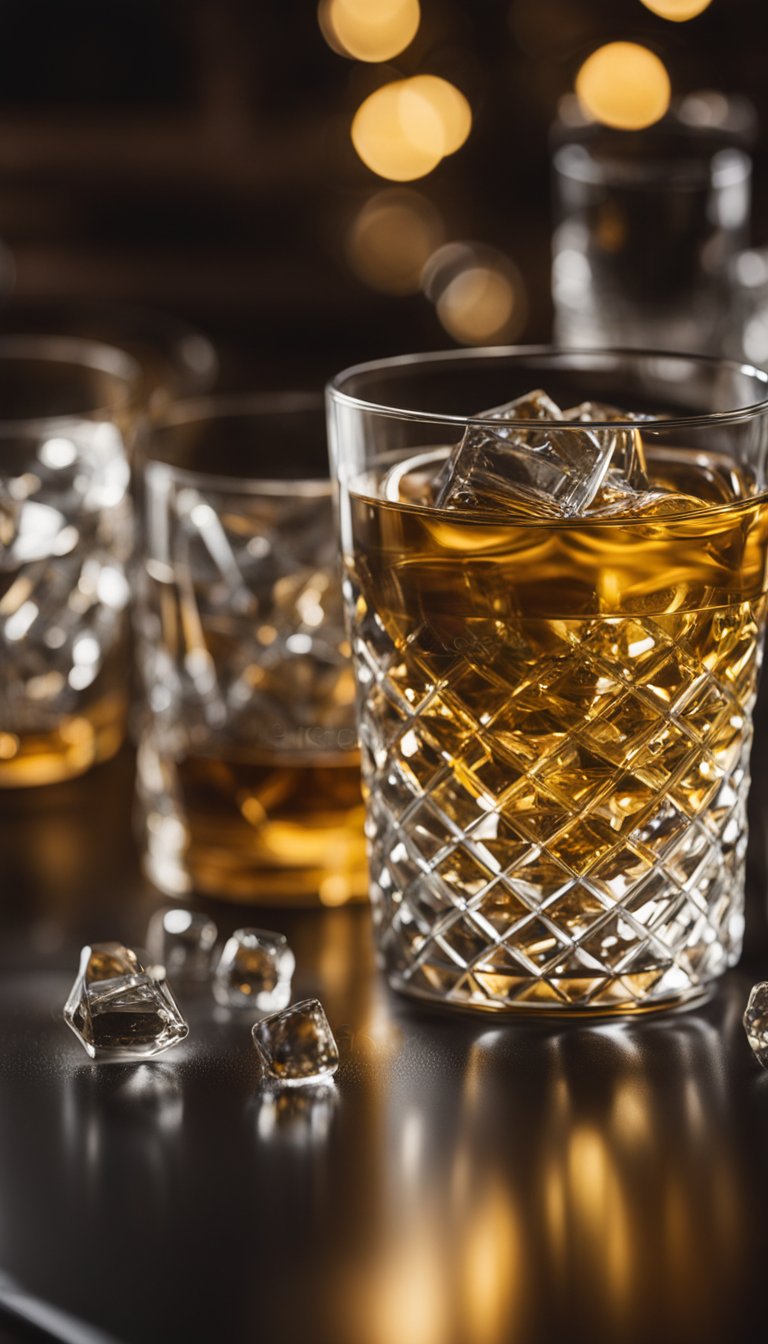
Exploring Alcohol-Free Gin: A Global World of Flavor Without the Alcohol
After we’ve set the stage with an introduction to the fascinating realm of alcohol-free spirits, let’s dive deeper into one of the most loved and popular categories – alcohol-free Gin. Gin is a cult drink for its botanical sophistication and its versatility in cocktails, have changed in the alcohol-free world, offering a variety of tastes and options that can captivate your senses without the need for an official driver. Let’s look closer at the fascinating world of alcohol-free gin.
Uncovering the Secrets behind Alcohol-Free Gin
Alcohol-Free Gin What is it? Alcohol-free gin, often described as non-alcoholic as well as zero-proof or botanical-infused spirit, is a remarkable creation that perfectly captures the spirit of traditional gin without alcohol content. It is made with a blend of botanicals spice, herbs, along with other natural components, these spirits evoke the traditional character of juniper forward that gin enthusiasts admire.
The Botanical Symphony: The power of Gin lies in its botanical blend and alcohol-free gin makes undoubtedly no exception. While traditional gin typically includes juniper berries, coriander, citrus peels, and many other spices and herbs Non-alcoholic versions select and mix botanicals to make the perfect symphony.
Zero Alcohol Zero Calories One of the biggest advantages of gin made without alcohol is its zero calories nature. It’s a good alternative for those who are conscious of their calorie intake as well as for health-conscious consumers who would like to enjoy the distinctive taste that gin has without the drawbacks of alcohol.
EU and UK Description: Gin Lover’s Paradise
In terms of spirit that is alcohol-free, EU as well as UK markets are a treasure trove of options and innovations. Gin is one of the most well-known brands, and has a long tradition in these regions, has effortlessly entered the world of alcohol-free spirits.
Most Popular Brands Several pioneering brands from the EU and UK have made great strides in creating exceptional alcohol-free gins. They draw inspiration from the rich gin traditions of these regions, while also challenging the boundaries of flavors.
Botanical Variety: There are many varieties of botanical variety available. EU and UK markets provide a wide assortment of alcohol free gins, each with its own distinctive botanical blend. From traditional London Dry-style alcohol free gins to contemporary interpretations featuring exotic botanicals. The choices are limitless.
Craftsmanship and Quality: Craftsmanship and quality are essential in the production of alcohol-free spirits in these regions. Many distilleries utilize traditional methods of distillation and source top quality botanicals in order to deliver an exceptional drinking experience.
In the next part, we’ll go over some of the top alcohol-free gin brands across the EU and UK that allow you to begin a tasty journey which transcends borders. Prepare to explore the wonderful juniper-infused delights waiting for your taste buds.
A Direct Link to Premium Non-Alcoholic Spirits: Order Bulk from Swedish Distillers Now!
The Top Alcohol-Free Gin Brands in EU and UK
As we move on to the captivating world of alcohol-free gin, we’re ready to introduce some of the most outstanding brands that have achieved their success in the EU as well as UK markets. These brands have brought the art of crafting alcohol-free gin to new levels, crafting a delicious assortment of tastes that can be enjoyed by anyone’s taste. Explore the best brands of alcohol-free spirits in both the EU and UK.
1. Seedlip
The Luminary of Botanical Excellence Seedlip is often acknowledged with being among the early pioneers in the alcohol-free spirits market, offers a variety alcohol-free spirits that exemplify the highest standards of botanical excellence. Their botanical blends such as Seedlip Garden 108 and Seedlip Spice 94, have garnered accolades for their nutty flavors.
Signature Serve Try to drink a Seedlip Garden 108 with tonic water, and garnish with a fresh sprig fresh peas, for a refreshing and sweet experience.
2. Ceder’s
Inspired by Nature: Ceder’s is a brand which draws inspiration from the unspoiled and natural splendors of the Cederberg Mountains. Ceder’s alcohol-free gins, such those from Ceder’s Crisp and Ceder’s Wild feature exuberant South African and Swedish botanicals with a unique flavor.
Signature Service: Sip Ceder’s Wild with tonic water, a slice of lemon, as well as a sprig of rosemary for a delicious taste of wilderness.
3. Borrago
Vibrant Flavors: Borrago is known by its vivid and intriguing alcohol-free gin options. Borrago #47 Paloma Blend as well as”47,” Borrago Jasmine & Lime offer a taste that is perfect for cocktails with a sophisticated flair.
Signature Serve: Concoct a Borrago #47 Paloma Blend cocktail by mixing it with pink grapefruit juice, lime, as well as a splash of an agave syrup.
4. Ritual Zero Proof
Classic Reimagined: Ritual Zero Proof takes classic gin tastes and reinvents their alcohol-free versions. Their alcohol-free gin substitute brings the juniper-forward taste to the forefront, making it a perfect choice for those who enjoy gin.
Signature Serve Create a traditional alcohol-free gin and tonic with the Ritual Zero Proof, tonic water, and a lime wedge.
5. Everleaf
Complex Botanicals: Everleaf, though not exclusively an alcohol-free gin brand It offers a unique aperitif that is infused with a variety of botanical flavours. Their unique blends of botanicals comprising vanilla and saffron provides a unique alternative for those who are looking for depth of flavor.
Signature Drink: Savor Everleaf and Tonic water, ice, and a smooch of orange peel to create an elegant cocktail.
6. Stryyk
Triple Distilled: Stryyk is known for its triple-distilled alcohol-free spirits, which include Not Gin. The brand has a meticulous process of making Gin that is alcohol-free with classic botanicals like juniper, and coriander for a genuine Gingin experience.
Signature Serve: Mix Stryyk Not Gin with elderflower tonic and one slice of cucumber for refreshing and crisp drinks.
The leading alcohol-free gin labels in the EU and UK have revolutionized the drinking experience, providing stylish and tasty alternatives to those looking to enjoy the flavor of gin without the alcohol. In the next part we’ll go over some interesting cocktails that highlight the versatility of alcohol-free gin. Get ready to elevate your mixology skills with these dazzling cocktails.
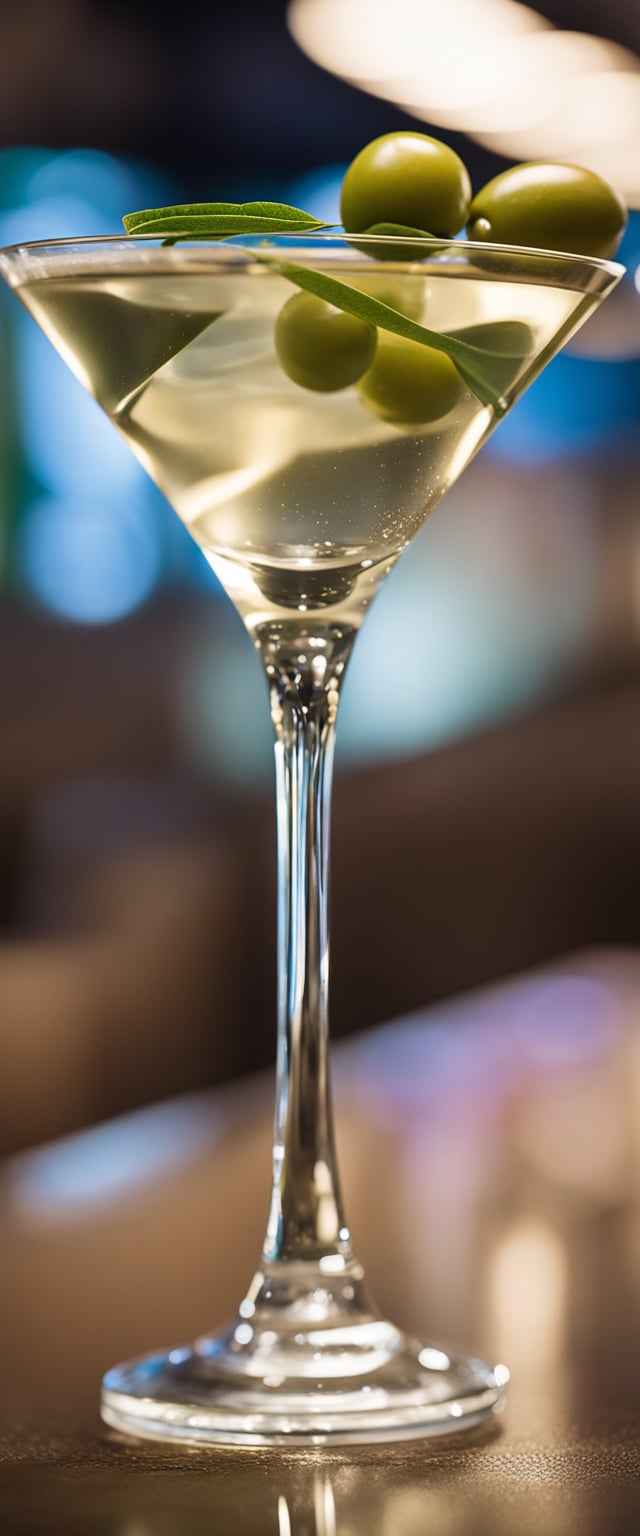
Making the Perfect Alcohol-Free Gin Cocktails
In our exploration of the intriguing world of gin that is alcohol-free, we’ve discovered amazing brands as well as delved into the long history of the gin. Now, it’s time to experiment and delve into the art of mixology by crafting exquisite alcohol-free gin cocktails. Even if you’re a pro bartender or are a novice they will surely enhance drinks. Let’s get a little agitated!
The Classic Alcohol-Free Gin and Tonic
Ingredients:
- 50ml of your preferred alcohol-free Gin
- 150ml premium tonic water
- Ice cubes
- A slice of lemon or lime to garnish
Instructions:
- Pour the contents of a highball into a glass using an ice cube.
- Pour 50ml of alcohol-free vodka over the ice.
- Finish off with 150ml the finest tonic waters.
- Mix well to mix.
- Serve with a slice of lime or lemon.
- Get your classic gin and tonic!
Alcohol-Free Gin Fizz
Ingredients:
- 60ml alcohol-free Gin
- A fresh squeeze of freshly squeezed lemon juice for 30ml
- Simply syrup of 15 ml (equal parts water and sugar)
- Soda water
- Ice cubes
- Lemon twist for garnish
Instructions:
- Make sure to fill a cocktail shaker up with cubes of ice.
- Add 60ml alcohol-free gin, 30ml of freshly squeezed lemon juice, and 15ml of simple syrup into the shaker.
- Shake vigorously until thoroughly chilled.
- Strain the mixture into a chilled glass, filled with frozen ice.
- Pour in soda water.
- Garnish with a lemon twist.
- Sip and savor the refreshing alcohol-free Gin Fizz!
Berry Bliss Alcohol-Free Gin Smash
Ingredients:
- 50ml of alcohol-free Gin
- A few fruit berries in a fresh mix (strawberries blueberries and raspberries)
- 10ml honey or syrup of agave
- Fresh squeezed lime juice 20ml
- Ice cubes
- Fresh mint leaves to garnish
Instructions:
- In a cocktail shaker mix the mixed berries together with some honey or even agave syrup.
- Add 50ml of alcohol-free gin as well as 20ml of fresh squeezed lime juice in the shaker.
- Fill the shaker with ice cubes. Then shake vigorously.
- Strain the mix into rock glasses topped with ice.
- Fresh mint leaves.
- Sip and revel in the wonderful Berry Bliss Alcohol-Free Gin Smash!
Cucumber Cooler with Alcohol-Free Gin
Ingredients:
- 50ml alcohol free gin
- three to four cucumbers
- Simply squeezed fresh lemon juice for 20mL
- 10ml simple syrup
- Soda water
- Ice cubes
- Slices of cucumber that are thin and perfect for garnish
Instructions:
- A cocktail shaker, mix the cucumber slices in a cocktail shaker with lemon juice and simple syrup.
- Add 50ml of alcohol-free spirit to the shaker.
- The shaker should be filled with ice cubes and shake well.
- Pour the mixture into a highball glass that is filled with ice.
- Add soda water to the top.
- Garnish with thin cucumber slices.
- Have a blast with the refreshing and crisp Cucumber Cooler!
This is the Next Frontier in Alcohol-Free Gin Cocktails
These alcohol-free gin cocktails are just the beginning of your journey into mixology. With a broad selection of alcohol-free gin brands and numerous botanicals at your fingertips, there’s an endless amount to the creativity you can add to your cocktails.
In the next article we’ll look at some creative ways to integrate alcohol-free gin in your cooking creating it as a versatile ingredient to use in your kitchen. Be ready to indulge your taste buds while impressing the guests you entertain with these culinary dishes!
Unleashing the Power of Alcohol-Free Spirits The Recap of Our Journey
As we conclude our captivating journey through the world of alcohol-free spirits, it’s time to reflect upon the knowledge and wisdom we’ve gained through the process. In this final piece of our series in which we’ll try to recap the valuable insights we’ve discovered in each of the five articles. We’ll leave you with a sense of confidence to explore the fascinating world further.
Article 1: The emergence of alcohol-free Spirits
In our first article we began our journey by examining the explosive growth of spirits without alcohol. We explored the forces behind this trend, ranging from eco-conscious consumers to savvy distillers. The key points from this article include:
- A growing demand for non-alcoholic alternatives.
- The importance of consumer awareness and health awareness.
- A distiller’s commitment to crafting authentic alcohol-free spirits.
Article 2: The World of Gin Free of Alcohol
Our second article delved deep into the spirit of gin without alcohol, the category has seen remarkable growth and innovation. We discovered the intricate mixture of botanicals, and the history of gin as well as numerous brands that are making an impact. The most important takeaways from this article are:
- The fruity nature of alcohol free gin.
- The significance of the past and the evolution of Gin’s history and evolution.
- A spotlight on the pioneering spirits that are alcohol-free.
Article 3: Creating the Perfect Alcohol-Free Gin Cocktails
Our third session we tackled the art mixing and mastered the art of craft exquisite alcohol-free gin cocktails. From traditional cocktails with tonic and gin, to imaginative mixology, we delved into the different flavors. Some of the highlights are:
- Recipes for classic cocktails and ingenuous Gin cocktails that are alcohol-free.
- Methods of mixing and garnishing.
- Enjoying these delightful creations.
Article 4 Alcohol-Free Gin as part of Culinary Delights
The fourth article carried us through a culinary voyage, showcasing the versatility of alcohol-free gin as an ingredient in various meals and desserts. We uncovered the exciting flavor fusion and imaginative use of this liquor in kitchens. Highlights include:
- Culinary uses of gin that is alcohol-free.
- The art of pairing plants with food.
- Foods that please the taste senses.
Article 5: Unleashing the Potential and Potential of Alcohol-Free Spirits
In this final post, we’ve walked the wide-open world that is alcohol-free spirits. We’ve gathered the knowledge to explore the world of alcohol-free spirits further. We’ve tasted the possibilities and discovered inspiration in the fields of mixology, culinary arts and. The journey we’ve taken has been one by delight and discovery and this is only the beginning.
Conclusion: Cheers to the Future!
As we raise a and toast to the next generation of alcohol-free spirits, we should look back on the incredible journey that we’ve embarked upon. the rise of alcohol-free options and the tangled world of gin that is alcohol-free, the art of mixology, and the culinary imagination have all enhanced our lives.
The possibilities of alcohol-free spirits is boundless and with every sip, every drink, and every exploration that we dream of a future where conscious and enjoyable drinking is at the fingertips of everyone.
Thank you for joining us on this extraordinary adventure. We hope you’ll continue to discover, explore, and savor the world of alcohol-free spirits. Happy to live a healthier more enlightened, and flavorful tomorrow!
EU Regulations on Alcohol-Free Drinks: A Comprehensive Guide
in the field of beverages, the term “alcohol-free” is gaining massive traction. Many consumers are turning to non-alcoholic alternatives due to numerous reasons, including personal preferences, health along with lifestyle and personal preferences. As the demand for alcohol-free drinks continues to rise as does the demand for clear regulations that regulate these products.
Understanding the importance of EU Regulations
Why You Should Learn
Before we begin to explore the intricate details of EU regulations pertaining to alcohol-free drinks It’s important to know why this information is essential. For those who are consumers looking for trustworthy products or a manufacturer eager to adhere to standards Here’s the reason EU laws on alcohol-free drinks are essential:
The Increasing Popularity of Alcohol-Free Beverages
Alcohol-free drinks go beyond the limits of soda and water. They are now several different kinds of beverages including alcohol-free beers to elegant mocktails, as well as alcohol-free spirits. As people seek healthier and more diverse drinks alternatives, demands for these products are rising.
Health and Safety Concerns
It is a right of consumers to expect that drinks they consume meet strict quality and safety standards. Regulations ensure that alcohol-free drinks are made, labeled and advertised according to the needs of consumers’ health. They also prevent false claims and protect individuals who have to abstain from drinking alcohol due health reasons.
Growth and Innovation in the Industry Growth and Innovation
The alcohol-free drinks market is rapidly evolving, with new innovations that are challenging the norms of the past. Producers are experimenting with complex flavours and textures that are similar to the alcohol counterparts. To aid in the development of this industry and ensure the trust of consumers the need for comprehensive regulations is essential.
Now that you are aware of the significance of EU rules on alcohol-free beverages, we will look into the laws that govern these products in our next section.
H2: Essential EU Regulations for Alcohol-Free Drinks
In the next section, we will delve into the root of the matter, and break down the key regulations that shape the industry of alcohol-free drinks within the European Union. From the maximum allowed alcohol content to labeling regulations We’ll unravel the rules that producers, distributors, and consumers should be aware of.
Maximizing Safety and Consumer Confidence
As we embark on this regulatory journey, it is important to remember that these regulations are not mere bureaucratic red tape. They serve a vital purpose in ensuring that alcohol-free drinks comply with specific quality standards, offer accurate information to consumers as well as contribute to an improved and safer beverage landscape.
Now, let’s navigate the complex complexities of EU regulations on alcohol-free drinks in the next section.
[Next step: Section 2: Key EU Regulations for Alcohol-Free Drinks]
Transform Your Business with Direct Orders from Swedish Distillers’ Non-Alcoholic Range!
The key EU Regulations for Alcohol-Free Drinks
In our attempt to better understand the complexities surrounding alcohol-free drinks inside the European Union, we now look into this matteraEUR”the regulations. These rules form the backbone guaranteeing that alcohol-free drinks are safe, transparent and conform to strict guidelines for quality. We’re about to embark on a regulatory journey and break down the essential EU regulations for alcohol-free drinking.
Maximum Permitted Alcohol Content
What is the significance of HTML0?
The definition of “alcohol-free” is based upon the permissible alcohol level. In the EU to be able to be labelled “alcohol-free,” it must be a minimum of 0.5 percent ABV of alcohol (ABV). This minimum threshold is crucial to protect consumers, and is particularly important for individuals who wish to stay clear of alcohol completely, whether for health, dietary, (or personal) reasons.
Labeling Requirements
clarity and Transparency
EU regulations stipulate that the labels of alcohol-free drinks must clearly identify their alcohol content. This isn’t just an issue of transparency, however, it is crucial for consumers who are relying on this details. The label should prominently show the “alcohol-free” label and the exact ABV in order to ensure that consumers are able make informed choices.
ingredients and additives
Quality and Purity
To uphold the quality and integrity of alcohol-free drinks EU regulations set out strict requirements regarding ingredients and additives. The regulations guarantee it is only legal substances are used in the production of these beverages. The emphasis is on keeping integrity of the beverage whether it’s a non-alcoholic wine, beer, or spirits.
Health Claims and Advertising
preventing false claims
EU regulations also regulate health claims and the advertising of alcohol-free drinks. These regulations are designed to protect consumers from untrue statements that could cause false impressions about the health benefits associated with drinking such beverages. Producers must abide by guidelines to ensure honesty and accuracy on their sales and marketing.
Qualitative Standards and Safety Checks
Test Rigorous and Quality Control
Another vital aspect of EU legislation is compliance with quality standards and safety controls. Producers are required to conduct rigorous testing and quality monitoring measures to make sure that their alcohol-free beverages comply with standards. This covers hygiene, microbiological safety and overall quality.
In compliance with the law and Certification
With an knowledge of the essential EU rules for alcohol-free beverages It’s possible that you’re wondering how distributors or producers can guarantee that they are in compliance with these regulations. The procedure of ensuring compliance is a key element in bringing these products to market while adhering to EU regulations.
H2: The Art of Navigating Compliance
In the process of complying, it can be complicated task, yet it is crucial for the producers and distributors to ensure that their alcohol-free products meet EU standards. These are the essential steps in the compliance process:
Testing and Analysis
Producers must conduct a thorough test and analysis of their alcohol-free drinks to confirm that they meet the required standards. This includes alcohol content verification as well as testing of ingredients and tests of quality.
Documentation and Record-keeping
A thorough documentation is an essential element of compliance. Producers are required to keep records of testing, ingredient source, and production procedures. These records provide evidence of conformity and may be subject to scrutiny by regulators.
Collaborating with Regulatory Authorities
Producers and distributors typically collaborate with regulators in order and regulatory authorities to assure compliance. This can include obtaining required authorizations and certifications. These will vary based on the specific alcohol-free type of drink.
Common Challenges and the Way to Surmonte These
The compliance process can be difficult especially for small producers or those just entering the industry. Some of the most frequent obstacles include understanding an ever-changing regulatory environment, balancing the costs of testing and staying up to date with the ever-changing rules. Finding expert advice and remaining up to date with updates on regulations are crucial strategies to get over these challenges.
In the next part we’ll explore the impact of these laws on the consumer which will help consumers make more informed choices when it comes to choosing alcohol-free drinks.
[Next: Section 3: Impact on ConsumersThe impact on consumers

Consumers’ Impact: Navigating EU Regulations on Alcohol-Free Drinks
As we continue our journey through the realm of alcohol-free drinks and the regulations that govern them in the European Union, we come to a pivotal point of considerationaEUR”the impact of these regulations on consumers. It is crucial for consumers to be aware of how these regulations impact consumer choices as well their right when it comes in choosing alcohol-free drink.
Why should consumers care about EU Regulations on Alcohol-Free Drinks?
Before diving into the specifics prior to examining the specifics, we must address the question “Why” do consumers have to care about EU rules regarding alcohol-free beverages? These are the main reasons:
-
Safe and Trust: Consumers deserve to have safe and reliable products. Regulations ensure that drinks without alcohol meet strict safety and quality standards, decreasing the chance of health issues or misrepresentation.
-
“Informed Decisions.” Regulators empower customers to make informed decisions. By understanding labeling requirements and claim to be healthy, they can confidently choose products that meet their dietary preferences and preferences.
-
Preventing Misleading Claims: Regulations ensure that consumers are protected from misleading claims in health and advertising that could make consumers prey to deceitful marketing techniques.
Let’s dig deeper into the way EU regulations impact consumers:
Read Labels and Understanding Claims
Klarity of Labeling
One of most direct ways that consumers are affected by EU regulations is through the labeling of product. If you purchase an alcohol-free drink in the EU, the label should give clear and accurate information. This is what you should be looking for:
-
Alcohol Content: Labels must reveal the exact alcohol content typically expressed as Alcohol by Volume (ABV). This allows consumers to verify whether the drink is genuinely alcohol-free and meets the EU’s 0.5% ABV threshold.
-
“Alcohol-Free” Identification: Labels should clearly show the “alcohol-free” designation, so that consumers will be able to identify the products.
-
Ingredient Lists: Regulations require comprehensive ingredient lists, which can help consumers who suffer from dietary restrictions or allergies make informed decisions.
-
“Health” claims Avoid claim about health benefits on labels. Regulations prohibit misleading statements, so consumers can trust that their product’s health benefits are properly portrayed.
In the event of a non-compliance, report it.
Consumer Rights and Accountability
Consumers also have a role in ensuring the compliance of EU rules regarding alcohol-free beverages. If the product’s label is untrue or if you suspect any violations to the law, it is your right to report it. Reporting any violations helps to maintain credibility of market, and holds the manufacturers accountable.
Resources for Consumers
In addition to reporting any non-compliance consumers may turn to several resources to help them:
-
User Associations: Many consumer associations closely monitor compliance with the law as well as provide information and assistance.
-
Regulation Authorities Your regional or national regulatory authority for guidance and to file a complaint.
-
Community Online: Joining online forums and communities can provide information and suggestions from other users who are interested in the same things as you.
Understanding the way EU regulations affect consumers empowers individuals to make informed decisions and strengthen the quality of the alcohol-free drink market. In the next segment we’ll look at the future trends that will be a part of this constantly changing market, and what consumers should anticipate in the world of alcohol-free beverages.
[Next step: Section 4: Future Trends and Conclusion[Next up: Section 4: Future Trends and Conclusion
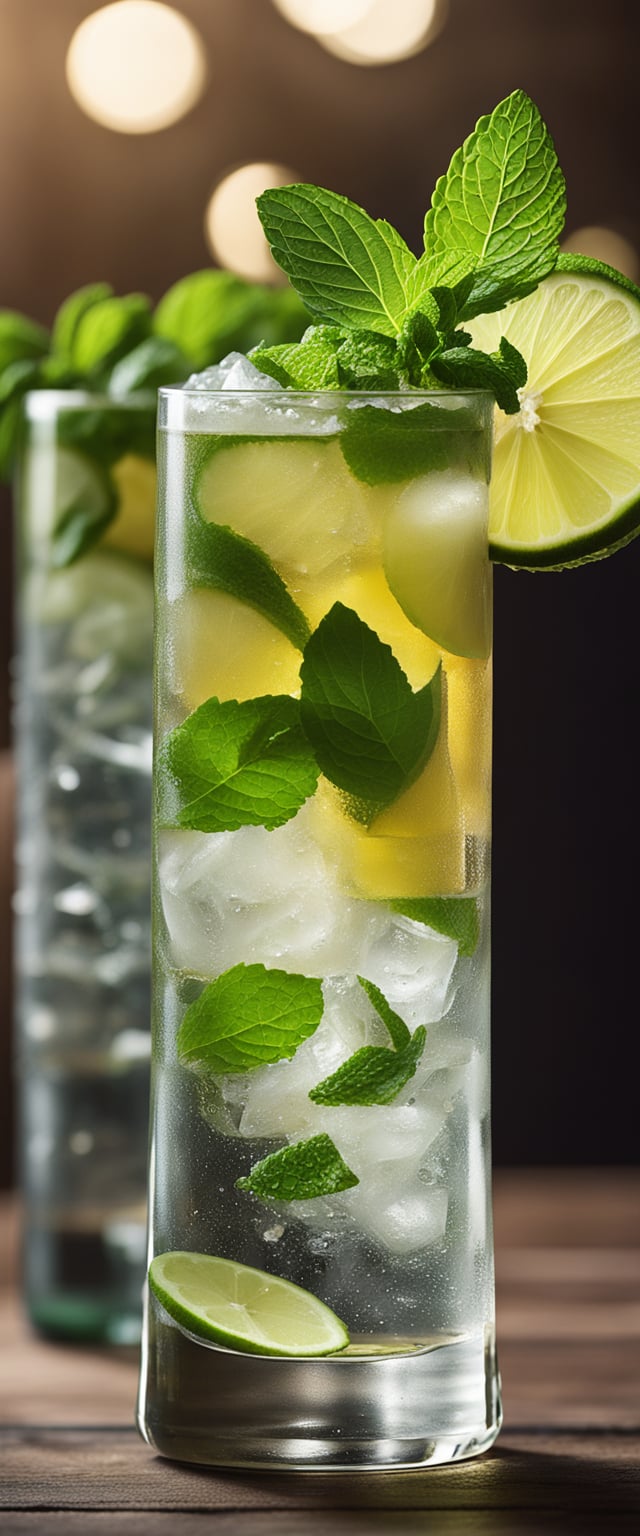
Future Trends to be found in the World of Alcohol-Free Drinks
As we journey through the intricate details of EU laws governing alcohol-free drinks and their effects on consumers and their consumption habits, it’s essential to be aware of the future trends in this evolving world. The world of alcohol-free drinks is experiencing rapid growth and technological innovation as a result of changing trends in consumer behavior and health-conscious decisions.
Why Future Trends are Important
Being aware of future trends isn’t only a matter of curiosityaEUR”it’s crucial for both producers as well as consumers. The best way for producers to stay on top of the curve involves ensuring that they are able to meet evolving demands of the market and regulatory changes. For consumers, this means having access to an ever-growing choice of health-conscious and interesting products.
1. Increased Variety of Products
The Beyond of the Basics
Alcohol-free beverages does not have to be limited to traditional options like soda and sparkling water. Producers are continuously expanding their product ranges to offer consumers a diverse assortment of options. Some examples include:
-
Alcohol Free Beer They have become more sophisticated, having tastes and aromas that to their alcoholic counterparts.
-
wines alternatives A wine that is alcohol free has been gaining popularity, offering consumers the taste and experience of wines without alcohol.
-
Alcohol-Free Spirits: Mocktails and spirits with no alcohol are on the increase, allowing drinkers to indulge in complex flavors as well as cocktails without alcohol.
2. Innovations in Flavor and Ingredients
mimicking complexity
The producers are investing in studies and development to create alcohol-free drinks that replicate the unique flavors and sensations that alcohol-based drinks offer. It is also experimenting with herbaceous plants, botanicals, as well as spices to produce distinct profiles.
-
Botanical Infusions: Gin that is alcohol-free as well as botanical spirits contain the most diverse range of botanicals, providing unique flavor experiences.
-
Distillation Technologies: Certain producers employ distillation methods for extracting flavors without alcohol producing sophisticated alcohol-free spirits.
3. Health and Wellness Focus
In line with Consumer Values
Demand from consumers for products that are health conscious is driving producers to focus on wellness and health issues. This includes highlighting nutritional information, organic ingredients and health benefits.
-
Low Calories and Sugar: Many alcohol-free drinks are designed to be low in sugar and calories, catering to health-conscious consumers.
-
Essential Ingredients The producers are adding the use of functional ingredients like vitamins, adaptogens and antioxidants to enhance the health popularity of their product.
4. Sustainability and Eco-Friendly Practices
Meeting Environmental Concerns
Sustainability is an increasing concern Producers are responding through adopting green practices. This includes sustainable sources of ingredients, eco-conscious packaging, and smaller carbon footprints.
-
recycled packaging Many alcohol-free brands choose to use recyclable or biodegradable packages to minimize environmental impact.
-
Ethical Sourcing: Producers are more transparent about where they source their components, ensuring they comply with ethical and sustainable standards.
5. Educational and Consumer Empowerment
Informed Choices
As the alcohol-free beverage landscape changes, consumer education becomes vital. Producers are investing tools to aid consumers in understanding their products, which includes:
-
online resources: The websites and the social platforms provide information on product ingredients, the benefits of health, as well as serving suggestions.
-
Tasting events Some producers host tasting events and workshops that instruct consumers on how they can drink alcohol-free beverages to the maximum.
Understanding these future trends empowers customers to make choices that align with their preferences and values. In the next segment we’ll go over the key points and look at how the world of alcohol-free beverages continues to influence consumer choices and experiences.
[Next: Section 5: Overview and Looking for the Future]
Review and Looking Ahead: The process of navigating EU Regulations on Alcohol-Free Drinks
In the final phase of our extensive investigation of EU regulations pertaining to alcohol-free drinks and their significant impact on both consumers and the industry we must review the most important insights from each section, and then look forward towards what’s to come within this dynamic environment.
Section 1: The basics of EU Regulations
In the initial part of our trip we explored the most fundamental aspects of EU laws on alcohol-free beverages. Here are the primary takeaways:
-
EU Regulations Ensure Safety: These regulations are designed to guarantee the integrity and health of non-alcohol beverages, ensuring that consumers can have fun with these drinks without health risks.
-
Marking Clearness: The consumer can trust the clear and precise labeling to differentiate alcohol-free drinks and learn about their ingredients and health claims.
-
Consumer Rights: consumers have the rights to inform about violations of rules and regulations, thus contributing to an honest and responsible market.
Section 2: Production and Compliance
The second section we looked into the production and aspect of compliance for alcohol-free drinks:
-
Producer Standards It is the responsibility of producers to adhere to strict standards, including the 0.5% ABV level for alcohol-free certification.
-
Assessment and Certificate: The products undergo rigorous testing to confirm that they meet regulatory requirements.
-
Essentiality of Compliance: The compliance with the regulations is critical to avoid penalties and keep consumer trust.
Section 3: Impact on Producers and Market
Our third article was focused on the effect of regulations on the producers and market:
-
The market is growing: A growing need for alcohol-free beverages is on increase, driven by health conscious consumers and the development of new products.
-
Competition and Innovation: Producers are continually developing new ways to meet the demands of consumers with a wide variety of alcohol-free options.
Section 4: Future Trends
In the final section, we examined the future trends shaping the world of alcohol-free drinks:
-
Expanding the Variety of Products: Consumers can expect more alcohol-free drinks, with refined alternatives to the traditional ones.
-
Innovations in Flavor and Ingredients: Producers are investing in creating complex flavors and improving the enjoyment of drinking.
-
“Health” and Wellness Insight: Health-conscious consumers will discover products that are in line with their food preferences and goal of wellness.
Section 5 Overview and Looking Forward
In this section, we’ve examined the critical insights from our exploration of EU guidelines on alcohol-free drinking. These findings help both producers and consumers to navigate the changing regulations effectively.
Looking ahead to the future, the world of alcohol-free beverages is expected to continue growing and innovation. Consumers can expect an ever-growing choice of drinks that cater for their different tastes, choices, and opinions. Producers, on the other hand, must ensure that they adhere with regulations while embracing opportunities created by this changing market.
In conclusion, knowing EU regulations regarding alcohol-free drinks isn’t only about ensuring compliance It’s about providing the safety as well as transparency and choice that consumers deserve. With a bright outlook in the alcohol-free drinks market, the industry encourages customers to investigate, savor, and raise their glasses to a healthy and delicious taste.
Thank you for coming along on this journey into to the world that is alcohol-free beverages and EU regulations. Looking forward to a year filled of exciting and responsible drink choices.
“Ending of Series [End of Series
Steady EU and UK Sales of Non-Alcoholic Vodka: A Deep Dive
In recent years, the European Union (EU) and the United Kingdom (UK) have observed a huge increase in the sales of non-alcoholic vodka. This new trend is altering the beverage industry, since increasingly consumers choose alcohol-free alternatives that do not compromise the essence of their favorite spirits. In this exhaustive exploration we’ll look into the world of non-alcoholic alcohol, learning what it is and how it’s gained immense traction.
What exactly is Non-Alcoholic vodka?
Non-alcoholic vodka, also referred to as “alcohol-free vodka” or “spirit alternative,” is a beverage intended to mimic the taste and aroma of traditional vodka but without the alcohol content. It’s created with a blend of herbs, plants, along with other flavouring ingredients which closely replicate the taste and characteristics of traditional vodka. It’s an alcohol drink that delivers the typical vodka taste without the intoxicating effects.
The Appeal of Non-Alcoholic Vodka
The surging interest in non-alcoholic vodka can be attributed to many factors. The first is that the health and wellness trends sweeping across the EU and UK has prompted people to make more informed choices with regards to their drinks. Non-alcoholic vodka fits perfectly with these new trends, and allows consumers to enjoy the flavors of vodka without having the negative health impacts associated with alcohol consumption.
Additionally, the younger generations that include Millennials as well as Generation Z, are driving this trend. They are aware of their health and increasingly opting for non-alcoholic options. As a result, non-alcoholic vodka is now an increasingly popular choice for a growing segment of the populace.
Recent market data support this trend, showing an impressive increase in retail sales of non-alcoholic liquors, including vodka substitutes. People are constantly seeking these products, both in physical stores and online, in search of satisfying alternatives to traditional alcoholic drinks.
When we get to the end of our exploration for the next section, we’ll examine the factors driving the growth of non-alcoholic spirits in the EU as well as the UK. In the next section we’ll reveal the essential significance of health and health trends in the emergence of popularity of this distinctive alternative spirit.
The Appeal of Non-Alcoholic Vodka
The appeal of non-alcoholic vodka comes in many forms and appeals to consumers who are becoming increasingly conscious of their health and conscious of their drinking consumption habits. Let’s have a closer analysis of why this trend is becoming popular.
Well-being and Health Trends
The movement towards health and wellness has seen a significant increase in recent times. The general public is becoming aware of the impact on their health from their choices for food which includes the beverages they consume. This awareness has led to an enlightened shift in lifestyles that have many looking for alternatives that let them taste the foods they love and not compromise their health.
Non-alcoholic vodka is a perfect fit for this mentality of health. It is a great option for those who would like to take pleasure in the flavor of vodka cocktails without the detrimental harms that alcohol has on your health. The trend is spreading to many different types of consumers including fitness enthusiasts who want to keep their active lifestyles to those who want to improve their health by making healthier choices.
Statistics and Data
Recent market research and surveys in both the EU and UK reveal the increasing demand for non-alcoholic drinks. Consumers aren’t only keen on these brands but are actively incorporating them into their lives. Studies show that there is a steady growth in the sales and consumption of spirits, including non-alcoholic vodkas and alternatives.
In the following section we’ll examine how shifting consumer preferences, particularly among younger generation, contribute to the rise of non-alcoholic spirits in the market.
Non-Alcoholic Vodka is a Game Changer for those who are health conscious.
In the prior section, we delved into the subject of non-alcoholic spirits, learning the reasons behind why it’s gaining immense popularity in it’s home countries of the European Union (EU) and the United Kingdom (UK). As we continue our examination of this intriguing trend we’ll now turn our attention on the reasons behind the expansion of non-alcoholic vodka around these locations. Particularly, we’ll investigate the crucial role played by health and wellness trends in the rising popularity of this distinctive spirit substitute.
Revolution in Health and Wellness Health and Wellness Revolution
The growth of non-alcoholic vodka throughout the EU and UK can be traced to the movement towards health and wellness which is taking over the beverage industry. Consumers, particularly Millennials and Generation Z, are increasingly conscious of their health and have made more mindful choices about their drinks.
A Healthier Alternative
Non-alcoholic vodka provides a compelling option for individuals who want to experience the flavor of vodka without the negative health risks associated with drinking alcohol. This is in perfect harmony with overall trend of health and wellness that are attracting people to alternatives to have fun without compromising their wellbeing.
Active Lifestyles and Fitness Enthusiasts
For those who are fitness-oriented and who are committed to a healthy lifestyle Alcohol-free vodka is a game changer. It’s a great choice for those looking for a drink to complement the healthy habits they follow. No matter what the occasion, whether it’s a party after workout or a refreshing drink on the wellness retreat, non-alcoholic vodka provides the solution.
Wellness-Driven Consumers
Health-conscious consumers are actively incorporating non-alcoholic vodka in their daily diets. This segment of the population considers it an option that is beneficial to their overall health and aids in their overall health and well-being objectives. Because alcohol isn’t present, it makes it a more secure and appealing option for those wanting to enjoy the pleasure of drinking vodka-infused cocktails.
Market Statistics Support the Trend
Market data from markets in the EU and UK shows the increase in demand for non-alcoholic spirits, including vodka alternatives. Statistics show a consistent increase in sales, and consumption of these products. This confirms the notion that health and wellness are significant driving forces behind the growth of non-alcoholic vodka.
In the next section we’ll delve deeper into how consumers’ preferences are changing particularly in the younger generation, and how these preferences are contributing to changes in the market. Understanding these changes is crucial for understanding the greater implications of this shift.
The changing landscape of consumer preferences
In recent period, there has occurred significant shifts in consumer preference, particularly for younger generations. Millennials along with Generation Z are at the front of this evolution as they redefine what it is to be a drinker.
Mindful Consumption
These consumers who are younger are more aware of their alcohol consumption. Many have seen the negative effects on their drinking habits from older peers and are determined to avoid the same dangers. This is why they’re looking for alternatives to alcohol that enable them to attend social gatherings and not suffer the negative effects of alcohol.
The Experience Economy
Another significant change is appearance of the “experience industry.” The younger generations value experiences over possessions. Going out and having fun doesn’t necessarily mean drinking alcohol. Instead, they’re interested in interesting experiences, and alcohol-free vodka fits perfectly into this story.
It’s the Rise of Mocktails
Mocktails, or non-alcoholic cocktails have seen a huge rise in popularity among the younger crowd. These sophisticated and alcohol-free beverages are not just a substitution for traditional cocktails. They are considered to be a distinct and pleasant experience in their very own as well.
What’s Next?
As we’ve observed that health and wellness trends and changing consumer tastes are driving the growth of non-alcoholic vodka in the EU and UK. In the next article, we’ll explore the economic consequences of this trend including its impact on the sector of beverages and its potential for innovation and growth.
Direct to Market Excellence: Order Bulk Non-Alcoholic Spirits from Swedish Distillers Now!
The Economic Impact of Non Alcoholic Vodka A Growing Market
In our trek through the world of nonalcoholic vodka, we’ve investigated the beginnings of this intriguing trend and revealed the significance of health and wellness in its rise within both the EU as well as UK markets. Now, in the third installment of our series we explore the economic consequences of the non-alcoholic vodka phenomenon.
One Market that is On the Rise
The market for non-alcoholic vodka for the EU and UK is far from being an isolated trend. It’s a growing market segment which is drawing the attention of both the industry and the consumers. We’ll take a closer look at how this segment can impact the economy.
Surging Sales
The sales of non-alcoholic vodka have been steadily rising showing a strong and growing market. This is not a fleeting trend; it’s a continuous market that reflects the consumer’s changing tastes. The economic impact of this increase is significant, boosting the overall revenue to the spirits sector.
Intensely Increasing Consumer Base
Non-alcoholic vodka has widened the customer base for spirits. It is appealing to not just those who wish to stay away from alcohol but also to consumers looking for a wider variety of options. The growth in the consumer base will result in a larger market size and, as a result it has a positive economic impact.
Investment and Innovation
The increasing demand for non-alcoholic spirits has forced businesses to make investments in research and development. They’re striving to create innovative products that can satisfy the sophisticated tastes of consumers. This investment in innovation doesn’t just enhances the quality of their products, but also spurs development in the drink industry.
Employment Opportunities
As the market grows is the demand for skilled laborers in various segments of the industry. From distribution and production to marketing and sales the rising demand for non-alcoholic alcohol creates job opportunities and boosts job growth.
Sustainability Considerations
Non-alcoholic vodka production is often characterized by less carbon footprint than to traditional production of vodka, where fermentation and distillation are involved. This aligns with the growing environmental concern which makes non-alcoholic vodka an appealing choice for those who are concerned about the environment.
What’s next
As we’ve learned, the economic effect of non-alcoholic liquor in the EU and UK is vast and multi-faceted. The market is expanding and sales are increasing and creating employment possibilities while also being in line with sustainable goals. In the next segment this article, we’ll analyze how the trend of non-alcoholic vodka is generating innovations while also revealing what people can anticipate in terms both of product variety and quality.
Innovations in Non-Alcoholic Vodka: What’s on the Horizon
In our look at the non-alcoholic vodka market, we’ve delved into its historical roots and dissected the effects of trends in health and wellbeing and studied its economic implications. In the next portion of our series we take a look at the world of innovation and what could be in store for future developments within this intriguing portion of the drinks industry.
Designing Innovative Solutions
One of the most intriguing aspects of the trend towards non-alcoholic vodka is the relentless pursuit of creating innovative alternatives to traditional alcohol-based spirits. Here, we take a dive into the sphere of innovation creating a new landscape for non-alcoholic vodka.
Advanced Distillation Techniques
Master distillers are experimenting with advanced techniques for distillation that allow them to create non-alcoholic spirits that are flavored and aromatic with a variety of flavors. These methods involve the elimination from alcohol while maintaining its essence. botanicals and grain used in traditional vodka production.
Flavor Diversity
Non-alcoholic vodka doesn’t have to be just a taste the traditional flavor of vodka. It’s evolving into a new class of its own with distinct flavors that extend beyond the traditional vodka profile. It’s possible to find a wide array of choices, from tangy infusions to herbaceous blends.
Transparency and authenticity
There is a growing demand for transparency and authenticity in their drinks. Newcomers in the non-alcoholic vodka sector are responding by offering specific information on sourcing manufacturing methods, sourcing, and the ingredients used, making sure that consumers understand exactly what they’re drinking.
Sustainable Practices
The eco-conscious trend has made its way into the spirits industry, with non-alcoholic vodka companies leading the way. Sustainable practices, like choosing organic ingredients and utilizing environmentally friendly packaging are getting more commonplace in this industry.
Responding to Consumer Demands
Innovation in the market for non-alcoholic spirits isn’t merely driven by a desire to find novelty. It’s fundamentally rooted in meeting the needs of customers who want better choices regarding their health, taste choices, and ethical concerns.
Health and Wellness
Health-conscious consumers are on the rise, and this has a ripple effect on the beverages they drink. Non-alcoholic vodkas, with their lower calories and lack of alcohol, aligns perfectly with the health and wellness movement.
Lifestyle Choices
As more people adopt an alcohol-free or sober lifestyle the non-alcoholic spirit of vodka makes an appealing alternative. There’s no need to worry about designated drivers or women who are pregnant, or those seeking to enjoy an evening out without the buzz, non-alcoholic vodka can cater to all kinds of lifestyles.
Social Responsibility
The responsible drinking of alcohol is an increasing concern across the globe. Non-alcoholic vodka is an obvious example of social responsibility offering a different option that allows individuals to join in social gatherings without the negative side effects of alcohol.
What Lies Beyond
In the next section of our series, we’ll discuss the impact of non-alcoholic vogue to the choice of consumers as well as the overall beverage industry whole. We’ll look into the trends in consumer preferences and how they’re affecting the market.
A New Future of Non-Alcoholic Spirits: A Five-Part Journey
Through this series of five parts, we’ve set out on a journey through the world of non-alcoholic spirits, with a particular focused on the fascinating field of non-alcoholic vodka. From its earliest beginnings to the revolutionary future ahead We’ve examined a variety of aspects that make up this expanding industry. When we conclude this series for the year, let’s pause for a recap of our trip and examine the future prospects of non-alcoholic spirits.
Part 1: Glimmer into the Past
In the beginning of this series we delved into the history of non-alcoholic spirits and their ancient origins. We discovered that the notion in the form of spirits with no alcohol is not as new as it might seem. For medicinal reasons or as drinks non-alcoholic spirits have been in the culture of humans for centuries.
Part 2: Health and Wellness Trends
In the second part, we explored how health and wellness trends have transformed the beverage industry, including the rising popularity and popularity of non-alcoholic vodka. We talked about the changing perceptions toward alcohol, the trend for healthier alternatives, as well as the effect these trends have on consumer choices.
Part 3 of the Economic Impacts
The journey continued with an in-depth study of the economic implications of the market for non-alcoholic liquors. We examined the causes behind the market’s growth, including an expanding consumer base as well as the inflow of money into this sector. We also analyzed the possible issues and opportunities ahead.
Part 4: Innovations in Non-Alcoholic Vodka
The fourth segment of our series explored the world of innovation in non-alcoholic booze production. We explored advanced distillation processes along with the variety of flavors that are available, the production process’s transparency, as well as sustainability practices that are creating the future of this business.
Fifth Part: What Lies Beyond
In this concluding chapter, we will look into the future of non-alcoholic spirits. As this market continues to evolve various key patterns and developments will continue to define its course.
The changing preferences of consumers
Consumers are becoming more discerning and concerned about their health. The need for non-alcoholic spirits that are in line with their preferences is predicted to increase. Look out for greater assortment of flavors and flavours catering to different tastes.
Ethical and Environmental Considerations
Sustainable sourcing and environmentally friendly practices are no longer an option within the beverage industry. Spirit brands that are non-alcoholic and adhere to these principles are likely to thrive, and consumers will increasingly favor products that adhere to these standards.
Expanding Market Coverage
The non-alcoholic spirits market continues to expand beyond small-scale consumers. When more people seek alternatives to traditional alcohol due to various reasons, the market will expand to meet the needs of a broader demographic.
A Journey Continually Experiencing
Our look at non-alcoholic spirits has provided a glimpse of a fast-growing industry. As we conclude this series, it’s apparent that the journey is far from over. The future of non-alcoholic spirits has thrilling possibilities, and it’s our goal to be on hand to continue exploring them.
Conclusion
Non-alcoholic liquors, and especially non-alcoholic vodka, is going through an era of revival driven by changing customer preferences, a new approach, and ethical considerations. As we come to the end of this five-part series, we’re reminded the process of redefining this industry is never ending, and the next decade is brimming with possibilities. Whatever your interests are, whether you’re a novice consumer or an enthusiastic consumer, keep your eyes peeled for the fascinating new developments from the field of non-alcoholic liquors.
Unlocking the Potential for Explosive Growth: EU and UK Alcohol-Free Spirit Market soaring Don’t miss out!
Section 1: The Present Landscape
In the world of drinks In the world of beverages, a slow revolution is taking place and revolutionizing the way we enjoy our drinks. The conventional practice of alcohol-based drinks dominating social gatherings is experiencing a shift in the way we drink, especially in the European Union (EU) and the United Kingdom (UK). Non-alcoholic or alcohol-free spirits are carving out a niche for themselves on the market, and their growth trajectory is nothing short of amazing.
A Market Booming
The market for alcohol-free spirits in the EU and the UK is experiencing unprecedented growth. The days of non-drinkers or those looking for healthier alternatives were restricted to sparkling water or sugary soft drinks. Today, a wide array of alcohol-free liquors fill the shelves of supermarkets and bars catering to a population who demands elegance without intoxication.
The Market and the Trends
To fully comprehend the extent the impact of this change, let’s investigate some figures. Recent studies on market trends have revealed it is likely that the EU as well as the UK alcohol-free spirit market will achieve a valuation of [bold]a.X billion by the time [bold]20XX[/bold]. The growth in this market is not an outlier, but due to the evolution of the preferences of consumers.
Participants and Their Contributions
The market’s ascent owes much to the trailblazing efforts of key players like [bold]Seedlip[/bold], [bold]Borrago[/bold], and [bold]Lyre’s[/bold], among others. These companies have elevated the art of crafting alcohol-free spirits to new heights making drinks that capture what traditional spirits are all about without the alcohol amount.
consumer preferences and emerging brands
The growth of alcohol-free spirit is inextricably linked with changing consumer preferences. Today’s consumer is more health-conscious informed, thoughtful, and socially conscious. They seek beverages that align with their values, and alcohol-free spirits fit the bill perfectly. Additionally, consumers are looking for new, flavorful alternatives to traditional alcoholic drinks.
In the wake of a surge in consumer demand and new brand names have sprung up take advantage of the expanding market. These brands are distinguished with authenticity, innovation and an unwavering commitment to quality.
Some intriguing possibilities
This rapid growth, which is driven by shifting consumer preferences is a fascinating opportunity for businesses who want to tap this EU as well as the UK drinks market, which is alcohol-free. The potential is enormous but, in order to realize it efficiently, one needs to first know the driving forces of this incredible transformation.
In the next chapter we’ll explore these driving forces, while analyzing how they are driving the expansion of alcohol-free spirits, and what is the impact for businesses who want to be successful in navigating this new landscape.
In the first section In Section 1, we’ve laid the groundwork with a brief overview of the current structure that is the EU and UK alcohol-free spirits market. We’ve also discussed the size of the market major players, as well as the shift in consumer preferences. Now, in Section 2, we will examine the driving factors behind this market’s incredible growth.

What is driving the explosive Growth in the EU and UK alcohol-free spirit Market?
Part 2: Unveiling the Driving Forces
In the previous part of this series we took an adventure into the ever-growing world of alcohol-free spirits across both the EU as well as the UK. The market’s rapid growth provides an accurate picture of its potential, but what’s behind this change? In this section, we’ll delve deep into the driving factors that are behind this rapidly growing market.
1. Health and Wellness Trends
It’s a boldHealth-conscious consumers are reconsidering their beverage choices. Bold Concerns regarding the adverse effects that alcohol on health have prompted people to search for alternatives that allow them to enjoy a drink without compromising their health. Alcohol-free spirits serve this increasing population by providing an appealing and healthier option. The terms “low ABV” (alcohol by volume) and “zero-proof” have become buzzwords in the health & wellbeing spheres, signalling that consumers are shifting their preference.
2. Changing Social Dynamics
As society evolves, so do our social dynamics. Traditional norms of heavy drinking as the basis of social gatherings are slowly disappearing. People today are opting for more inclusive and diverse events. Alcohol-free liquors allow everyone to have fun without feeling excluded. They help to create a sense inclusion that is consistent with the contemporary ethos of socializing.
3. The rise of Mixology and Craft Cocktails
ItalicCraft the art of mixing cocktails has revolutionized the world. Italic The art of mixology has advanced beyond alcohol-based drinks, with bartenders & enthusiasts exploring the creative potential of spirits that are alcohol-free. Intricate and delicious cocktails are created, which redefines the concept of what a cocktail is. The wide range of these spirits allows mixologists to experiment in a wide variety of flavours, resulting in an explosion of creative non-alcoholic drinks.
4. The Support of the Regulators
The government’s regulations and policies can play a significant role in shaping industries. In recent times, regulatory institutions across the EU and the UK have shown their willingness to support and accommodate the growing popularity of alcohol-free spirits. This includes more clear labeling requirements that allow these products to be more transparent regarding their ingredients and advantages. These measures increase trust among consumers.
5. Environmental and ethical considerations
The search for sustainability and ethical consumption is not a flimsy movement but is a trend that is global. Alcohol-free spirits generally align with these concerns. They are made with a lower environmental footprint as compared to traditional spirits. They are often vegan-friendly. Ethical practices in sourcing ingredients as well as fair trade principles help to increase their popularity.
6. The evolution of taste preferences
The consumer’s palate has changed, seeking out unique and distinct flavour experiences. Alcohol-free spirits are responding to the demand by offering a wide variety of choices. From botanical-infused spirits to alcohol-free whiskey that mimics the smoky notes of original they cater to high-end taste profiles. Customers are no longer willing to sacrifice flavor and alcohol-free spirits have up to meet the demands.
7. Marketing and Branding
Effective branding and marketing strategies have played a pivotal role in bringing awareness to spirits that are alcohol-free. Brands that are able to effectively communicate their product’s quality as well as their taste and health benefits have thrived. Clever marketing campaigns and endorsements from celebrities have impacted more people, creating curiosity and boosting sales.
8. Accessibility
The accessibility to alcohol-free spirits has grown dramatically. They are readily available in restaurants, bars as well as retail stores. Shopping platforms on the internet have played a major role in facilitating these products to the public, regardless of their location.
9. Competitive Pricing
As demand has grown, competition has grown. This has resulted into competitive pricing, making alcohol-free spirit an affordable option for a larger number of customers.
What’s Next?
As we’ve observed, a variety of things are driving the massive expansion within the EU and UK alcohol-free spirit market. In the next section we’ll discuss the challenges and opportunities businesses are likely to encounter as they navigate through this shifting world.
in Section 2 you’ll discover the main reasons behind the growing popularity of alcohol-free spirits in the EU and the UK. In Section 3, we’ll explore the challenges and opportunities businesses operating within this market will likely to encounter.
Transform Your Retail Selection: Bulk Order Swedish Distillers’ Non-Alcoholic Spirits Today!
Navigating the Opportunities and Challenges in the EU and UK Alcohol-Free Spirit Market
Chapter 3: Road Ahead
In the previous sections we’ve looked at the staggering rise and the forces behind that EU as well as the UK spirits that are alcohol free. It’s apparent that the industry is growing, but what lies ahead? Within this market we’ll explore the obstacles and opportunities businesses in this market will likely to face.
Challenges
1. Regulation Hurdles
Although regulatory support has been an important factor but managing the changing landscape of regulations can be a issue. In order to stay in compliance with requirements for labeling and ensuring the responsible marketing of alcohol-free spirit is crucial. This means that businesses must keep a close eye on legislative changes.
2. Consumer Education
Many consumers are still not familiar with the concept of alcohol-free spirits. Making sure potential customers are aware of the advantages, flavors, and potential of these products is essential. Brands should invest in marketing campaigns which emphasize the advantages of their offerings.
3. Competition
While the marketplace continues to grow, competition intensifies. The brands must differentiate themselves and constantly innovate to remain relevant. This means experimenting with new flavors, enhancing packaging and discovering new distribution channels.
4. Scaling Production
To meet the growing consumer demand of spirits made without alcohol may be difficult for small producers. Scaling production while maintaining quality is critical to keep up with market demand.
5. Perceived Taste and Quality
In overcoming the belief that alcohol-free spirits may lack the richness of flavor or quality comparable to alcohol-based drinks is a constant challenge. Brands have to invest in research and development to create products that match their alcohol counterparts in quality and taste.
Opportunities
1. Diverse Flavor Profiles
The demand for distinct flavor profiles presents a large chance. Brands have the opportunity to experiment with unusual and new ingredients to produce unique and exciting alcohol-free spirits.
2. Health and Wellness Focus
Continued alignment to trends in health and wellbeing can be a huge advantage. Brands can benefit from the health benefits of alcohol-free spirits which include reduced calories, as well as less hangovers as part of their advertising strategies.
3. Collaborations and Mixology
Collaborations with restaurants, bars and mixologists could introduce spirit that is alcohol-free to a broader target audience. Brands can partner with experts to create exciting and delicious non-alcoholic cocktail recipes.
4. Sustainability
A commitment to sustainable and ethical methods of sourcing can be a significant selling point. The public is increasingly drawn to products that match their beliefs.
5. Direct-to consumer sales and E-commerce
Thanks to the increasing popularity of ecommerce online, companies are able to extend their reach beyond physical stores. Building a strong online presence and providing direct-to-consumer services can be a game-changer.
What’s Next?
As we’ve learned, the route ahead for businesses in the EU and UK alcohol-free spirit market is filled with many challenges as well as exciting opportunities. In the next section we’ll look at strategies to be successful in this competitive landscape and ensure that your brand keeps ahead of the curve.
The last section, Section 3, we’ve examined the potential and obstacles facing businesses operating in and around the EU in the EU and UK spirits market that are alcohol free. In Section 4 we’ll look at how to make the most of this rapidly evolving industry.

Strategies to be Successful for the EU and UK Alcohol-Free Spirit Market
4. The Competitive Landscape
In the meantime, as both the EU as well as the UK spirits market that is alcohol free continues to gain momentum that is why it’s vital for businesses to be able to navigate the market effectively. In this section we’ll go over ways and methods to ensure your brand’s success within this fast-paced and ever busy market.
1. Product Innovation
In a marketplace flooded with alternatives, innovation in your product is your ally. Research and develop constantly new products and flavors to captivate consumers. Try out unique ingredients and blends that make your brand stand apart. Consider incorporating botanicals, herbs, and exotic fruits to create distinctive sparkling alcohol-free spirits.
Pro Tip Conduct surveys for your consumers and gather feedback so that you can understand what they like and expect. This information can be used to tailor your efforts to develop products.
2. Brand Differentiation
Being noticed in a business requires strong brand story and a distinctive identity. Let your brand’s story be clear about what makes it unique and explain why consumers will choose your alcohol-free beverages instead of others. Make sure to emphasize your commitment to sustainability, quality and ethical sourcing.
Pro Tip Make a compelling brand story that resonates with the customers. Use stories to tell the story of your brand’s experiences, values, as well as the work that goes into your products.
3. Collaborations and Partnerships
Collaborations may provide a unique outlook and expand your reach. Make a deal with bars, restaurants or mixologists to craft signature cocktails that don’t contain alcohol and featuring your product. These partnerships could introduce your brand’s image to a greater population and leverage the expertise of industry professionals.
A Pro-Tip When collaborating be sure that your brand values are aligned with the values of your partners, creating authentic and lasting connections.
4. Electronic Commerce and Digital Marketing
A solid online presence is mandatory in today’s business. You should invest in a website that is user-friendly and then optimize it for e-commerce. Utilize social media platforms to engage with your customers and share delicious cocktail recipes and conduct targeted ad campaigns.
Pro Tip: Use data analytics in order to comprehend your audience on the internet better. Create content and marketing strategies to accommodate their preferences and habits.
5. Consumer Education
Making consumers aware of the benefits and benefits in alcohol-free drinks is a key element. Create content that is informative through blogs, webinars, and social media. Make virtual tastings available for your products. A knowledgeable consumer is more likely to recognize worth of what your products.
Pro Tips: Develop FAQs and guides to answer questions asked by consumers frequently regarding alcohol-free spirits. Make these resources available to help consumers make educated choices.
6. Sustainability and ethical practices
Customers are becoming increasingly aware about ethical and sustainable practices. Be a part of this by sourcing ingredients ethically, reducing your carbon footprint, and supporting charitable efforts. Your commitment to sustainability should be highlighted when you promote your brand.
Pro Tips Sharing your sustainability initiatives in a transparent manner on your website and social media. Transparency creates trust among consumers.
What’s in store
In Section 4, we’ve discussed essential strategies for navigating the competitive landscape of the EU and UK alcohol-free spirit markets. However, the adventure doesn’t end in this article. In the coming section we’ll explore future growth strategies for the business and what the future holds for this vibrant industry.
After completing Section 4, we’ll be continuing our investigation of this EU and UK spirits market that are alcohol-free in Section 5. In the next segment, we’ll examine the long-term development prospects and the future trends which are shaping this vibrant industry.
Section 5:”The Future” of the EU and UK alcohol-free spirit Market
The trip through the exciting spirit market that is alcohol free across Britain and in the EU and UK concludes with the final segment. In this section we’ll glimpse into the future and explore the long-term growth potential and emerging trends which are shaping our perceptions of this dynamic sector.
The market is growing ever more
In the previous sections, the alcohol-free spirit market in the EU and UK has seen rapid growth in recent years. The demand for more sophisticated alternative drinks that are alcohol-free is not any longer a trend but fundamentally changing consumer preferences. This phenomenon is poised for a steady increase.
The key drivers of growth
Different factors are behind the continuous growth of market for alcohol-free spirits:
-
Health and Wellness As people become conscious about their health, they search for alternatives that allow them to drink mixed drinks and cocktails without the harmful effects of alcohol.
-
Innovative Product Offerings: The market will see an unending flow of innovative and diverse alcohol-free spirit offerings. Brands will investigate new flavor profiles, ingredients as well as production techniques.
-
Mixology Culture The growth of mixology culture and craft cocktails has been boosting the demand to buy high-end alcohol-free spirits. Mixologists and bartenders create intricate non-alcoholic concoctions, further getting these drinks into the spotlight.
-
Sustainability: Ethical and sustainable practices are gaining prominence. Businesses that are committed to sustainability in packaging, ingredient procurement, and production will have an advantage in competition.
Consumer Education and Awareness
A future-oriented alcohol-free spirit market depends on education for consumers. With more consumers becoming aware of the choices readily available, they’ll research information about how to utilize spirits without alcohol in cocktails, incorporate them into food and integrate them into their routines.
FAQs About Alcohol-Free Spirits
Q1 Can alcohol-free spirits be truly alcohol-free?
A1: Alcohol-free spirits do not contain any or a very low amount of alcohol, usually less than 0.5 percent ABV (alcohol as a volume). This means they are safe for consumption and without the intoxicating effect of alcoholic drinks.
Q2: How can I make alcohol-free spirits work to make cocktails?
A2: Alcohol-free spirits can be utilized as a base to cocktails just like traditional spirits. They can be used in classic cocktails such as Mojitos, Cosmopolitans, and Negronis. Inviting experimentation to create unusual non-alcoholic drinks.
Q3 Do alcohol-free spirits smell like their alcohol-based counterparts?
A3 Most alcohol-free spirits try to replicate the flavor that traditional spirit brands offer. While some seem to be very close tasting, flavor may vary among brands and products. It’s a good idea to research different alternatives to find the flavor your taste buds prefer.
Role of Technology Role of Technology
Technology will play an essential position in the future development of the industry. E-commerce platforms and online sales will continue to increase providing consumers with a convenient alternative to drink alcohol-free. Digital tasting, brands experiences, and personalized recommendations powered by AI are expected to increase engagement of customers.
Final: Prosperous Future
We’ve traversed the varied and evolving landscape within the EU and UK market for alcohol-free spirits. From its inception and early history to product innovation, commercial strategies, as well as the competitive landscape, we’ve uncovered the complexities of this rapidly growing industry.
In the final moments of this journey, it’s clear that the alcohol-free spirit market is not just a trend in the making, it’s a revolution that’s changing the way we think about and consume beverages. With a focus on quality in innovation, sustainability, and education for consumers, brands can thrive in this exciting marketplace.
We thank you for taking us on this trip through the world of alcohol-free spirits. No matter if you’re an established brand seeking to establish yourself or a patron looking for unique choices there’s a numerous opportunities within this vibrant sector.
We hope you’ve found this informative and inspirational. Here’s to the future for spirits with no alcohol in the EU and the UK!
Seizing the Moment: Uncovering Urgent Opportunities in the EU and UK Alcohol-Free Spirit Market
The spirit world is going through fundamental changes. The days of it was the primary option for those seeking to enjoy the exquisite flavors and aromas of exquisitely created drinks. In today’s mindful and health-conscious society, the demand for alcohol-free alternatives is growing exponentially. This shift in culture is creating multiple opportunities within both the European Union (EU) and United Kingdom (UK) alcohol-free spirit market.
The boom in alcohol-free Spirits
The Rise of Non-Alcoholic Alternatives
The rise in interest around alcohol-free spirits is due to a rising awareness of the negative impacts of alcohol consumption on overall health and well-being. In increasing numbers, people are adopting a more cautious approach to consumption of alcohol, focusing on the quality of their drinks over the quantity. That’s why the spirit market for alcohol-free spirits is experiencing massive growth.
Over the last few years, consumers have shown a distinct preference to alternatives that allow them to experience the diverse taste and sensory sensations traditionally associated with spirits, free of the narcotic effects of alcohol. No matter what the traditional juniper flavor of gin, or rich, smoky whiskey notes, these alcohol-free alternatives are designed to replicate the taste and aroma of their alcohol-based counterparts.
This shift in statistics is evident. The demand for alcohol-free spirits has gone up and numerous brands have emerged to accommodate the demands. In addition, distilleries that have been around for a while have also joined the movement by utilizing their knowledge to craft premium spirits with no alcohol, catering to taste-buds with discerning preferences.
A Health- and Lifestyle Shift
The popularity of alcohol-free spirits may be influenced by the desire for tasty alternatives, health-conscious living has become a dominant influencer. Many consumers are embracing alcohol-free alternatives in order to lead a healthy lifestyle, eliminate alcohol-related hangovers and decrease the amount of alcohol they consume.
The trend towards healthier living extends to the larger wellbeing movement, which sees consumers are more focused on self-care and mindfulness. In this way, choosing spirits that are alcohol-free allows them to indulge in the art of mixing cocktails and mixology without jeopardizing their health.
As the market continues to grow new opportunities are abounding for businesses that can tap into the healthy consumer segment. The necessity to grasp the opportunities is never more apparent.
Understanding what is the EU and UK Market
Market Overview
Before diving into the specific opportunities in this EU and UK alcohol-free spirits market, you must understand the current landscape. Both regions have seen a dramatic increases in the consumption of alcohol-free spirits.
In the EU Countries like Germany, France, and Spain have become major consumers of non-alcoholic beverages. These countries, renowned for their extensive culinary traditions and appreciation for fine wines, have embraced alcohol-free spirits with aplomb. There are brands that have responded providing various spirits that are alcohol-free to appeal to the needs of these markets.
The UK has a lively drinking culture and an enthralling consumer enthusiasm for health is another popular spot for alcohol-free spirits. London in particular has seen a rise in exclusive establishments and bars in recent years, which suggests a growing demand for elegant alcohol-free drinks.
Landscape Landscape
The process of navigating how to operate in EU and UK market for alcohol-free spirits requires a thorough understanding of the regulatory landscape. Regulations governing the production or labeling of alcohol-free drinks can vary between countries and regions.
In the EU In the EU, the production and distribution of spirits without alcohol is usually covered under the same regulations as alcohol drinks. It is therefore essential to follow strict quality standards and requirements for labeling. It is crucial for companies to make sure they are in compliance with EU regulations to gain access to the market.
In the UK the regulatory framework is in direct influence by EU laws and regulations as well as domestic laws. The use of clear and accurate labeling is especially crucial in educating consumers about how much alcohol in products.
Understanding the regulations is vital in order to ensure that businesses can thrive throughout the EU and UK alcohol-free spirit markets. It not only assures legality, but also helps build confidence with consumers.
After we’ve explored the dynamic growth and development of the market for alcohol-free spirits and set the stage with an understanding about this EU and UK markets, it’s time to explore the specific opportunities that lie ahead in these markets. In the next section we’ll uncover the consumer segments that are gaining momentum driving demand and new offerings that are transforming the industry scene.
Make sure you are aware of the moment to maximise your opportunities to profit from this exciting market.
Transform Your Sales with Direct Orders of Swedish Distillers’ Non-Alcoholic Spirits in Bulk!
Small Markets and emerging trends within the EU and UK Alcohol-Free Spirit Industry
In our examination of what’s happening in the EU and UK market for alcohol-free spirits, we’ve already revealed the overall boom in this industry inspired by health-conscious shoppers and conscious drinking. Now is the time to look deeper into this vibrant market to understand the specialized segments and new patterns that are reshaping the landscape.
The Craft Alcohol-Free Spirit Movement
Artisanal Quality Sans Alcohol
One of the most exciting developments in the market for alcohol-free spirits is the growth of craft brewers who are committed to producing exceptional alcohol-free alternatives. These crafters bring the same quality and commitment to alcohol-free spirits that traditional distillers would to their alcoholic counterparts.
Spirits that are made without alcohol can be distinguished by their intricate and sophisticated flavors. They are often infused with botanicals, spices, and herbs that are meticulously distilled to perfection. These aren’t just alternatives, but are distinctive as such which appeal to the discerning drinkers who seek a refined non-alcoholic drink.
Craft Distilleries as well as Experimental Offers
Craft distilleries in the EU and UK are at the forefront of this movement, playing around with the latest ingredients and distillation methods. There’s no question that it’s an alternative to gin mixed with exotic plants or whisky-inspired drinks with dark undertones, these products have pushed the boundaries of alcohol-free spirits.
Consumers are more attracted by handmade products since they exemplify authenticity with transparency, authenticity, and a strong desire for excellence. By assisting these producers, consumers feel connected to the art and are ready to experiment with specific flavor profiles which commercial brands don’t provide.
Targeting Niche Consumer Segments
The rise of Zero-Proof Cocktails
As the demand for alcohol-free spirits grows with it, so does interest in zero-proof cocktails, also known as “mocktails.” This trend is particularly popular in bars, restaurants and even home mixologists. Making creative alcohol-free cocktails is now a cult art, as well as the need for premium alcohol-free spirits to bind these drinks is rising.
Zero-proof cocktails aren’t just designed for drivers who are not drinking These drinks are for everyone seeking a refreshing and sophisticated drink that doesn’t have the harmful consequences of alcohol. In the EU and UK, the rise of zero-proof cocktails has led to collaborations among bartenders and alcohol free spirit brands to develop innovative recipes and improve the overall drinking experience.
Affirming the Health-conscious Generation
The health-conscious consumer segment is a driving force behind the success of alcohol free spirits. The group is focused on wellbeing and mindfulness, and seeks brands that align with the values they hold and their lifestyle choices.
Brands that can emphasize the health benefits of spirit that is alcohol free, such as lower calorie content, and the absence of alcohol-related health risks are likely to attract the attention of this particular group. Additionally collaborations with health and wellness experts and professionals could boost brand credibility.
Environmental and Sustainability Focus
Sustainable Production and Packaging
Environmental awareness is an important aspect that influences consumer decisions in Europe, the EU as well as in the UK. Brands in the alcohol free spirit sector are responding by implementing sustainable practices for packing and production.
Craft distilleries, in particular those that promote sustainability are doing so. They try to source local whenever possible they also reduce the amount of water used and employ environmentally friendly distillation methods. Innovative packaging techniques, like biodegradable and recyclable materials are also taking off.
Stay Ahead Of the Curve
While we make our way along the EU and UK alcohol-free spirit market, it’s clear that niche markets and emerging developments are driving the advancement of this industry. Craft distillers are changing the definition of non-alcoholic spirits to the rise of zero-proof cocktails as well as an increased focus on sustainability, opportunities abound for businesses who can invent and meet the evolving demands of customers.
In the next chapter, we’ll explore the importance of marketing and branding strategies which resonate with your target consumers, and then discuss the most important challenges and solutions to this expanding market.
Keep an eye on us as we reveal how you can position your alcohol-free spirit brand to be successful within Europe and the UK. EU or UK.
Branding and Marketing Strategies to EU and UK Spirits with no alcohol
As we have explored our study of the EU and UK alcohol-free spirit market we’ve identified the increasing demand for these innovative drinks and the rise of craft alcohol-free spirits, and the unique consumer segments driving this industry’s growth. The time has come to examine the important realm of marketing and branding strategies that will help you set your alcohol-free spirits brand apart in a crowded marketplace.
Building a Strong Brand Identity
The art of crafting and Authenticity
In the age of alcohol-free spirits, creating an appealing brand image is crucial. Consumers are drawn to brands that exhibit craftsmanship in their work, authenticity, as well as a true commitment to excellence. To establish your brand as an authority in your market take a look at the following strategies:
- Let Your Story Be Told Share the story behind your brand which highlights the passion as well as dedication that go into creating your alcohol-free spirits.
- Transparency Transparency: Be open about the ingredients you use, your manufacturing methods and the source. Genuineness builds trust with customers.
- Visual Identity The goal is to invest in an appealing and visually appealing logo as well as packaging design that communicates your brand’s uniqueness and values.
Attracting Emotions
Alcohol-free spirits are often associated with positive feelings like happiness, celebration, and mindfulness. Utilize these emotions in order to connect with your audience on higher levels:
- The art of emotional storytelling Create stories and marketing campaigns that connect with the emotions of drinking spirits without alcohol. It is a great way to celebrate moments of joy peace, and social connections.
- Inclusive Messaging Stress that your alcohol-free spirits are for everyone regardless of whether they choose not to drink or are designated drivers or just want to find more healthful alternatives.
The most effective marketing strategies
Digital Presence and Content Marketing
In this day and age, a strong online presence is essential. It is essential to ensure your brand’s visibility and engaged on all digital platforms:
- Website Optimization It is a good idea to invest in a user-friendly website that showcases your products, offers detailed information, and includes a blog area for content marketing.
- Social Media Engagement: You should keep your social media profiles to engage with your followers make valuable content available, and run targeted advertising campaigns.
- Educational Content: Make content that educates consumers about the benefits, flavors and versatility of your alcohol-free spirits. This can include blog posts or videos as well as infographics and infographics.
Collaborations and Partnerships
Working with similar brands and influencers can increase your influence and reputation:
- Bartender collaborations: Partner with bartenders to create recipes for cocktails that are zero-proof by using alcohol-free spirits. These collaborations can spark excitement and draw mixologists as well as cocktail enthusiasts.
- Influencer Partnerships: Identify influencers in the wellness lifestyle, lifestyle, and alcohol-free space who align with your values as a brand. Create with them authentic content and increase your reach to a larger audience.
Navigating and Seeing ahead
The market for alcohol-free spirits provides a wide range of opportunities However, it comes with certain challenges. Some consumers may have assumptions about the flavor and quality of alcohol-free alternatives. Overcoming these hurdles requires patience, perseverance and constant improvement.
In our next chapter, we’ll explore some of the most pressing issues in the industry and provide strategies for addressing these issues. Additionally, we’ll peer into possible future trends for the EU and UK spirits market that are alcohol-free and predict the developments that will determine the future of the market.
Be on the lookout for our next installment as we provide you with the information and strategies you need to succeed in this exciting and dynamic market.
challenges and strategies in the EU and UK Alcohol-Free Spirit Market
We’ve travelled through the world of alcohol-free spirits in both the EU and UK We’ve highlighted the rising popularity of the new and innovative drinks. We’ve also uncovered how to create branding and marketing strategies. Now it’s time to take on the challenges companies face in this fast-paced market and propose solutions to meet them.
Challenges in the Alcohol-Free Spirit Industry
Consumer Conceptions
One of the main obstacles is consumer misconceptions about the quality and taste of alcohol-free spirits. Certain consumers continue to perceive these spirits as bland or inferior tastes. To counter this, you can consider these strategies:
- Taste Education to educate consumers about the different flavors and complexities of spirits that are alcohol-free. Hosting tasting events or virtual tastings in order to demonstrate the quality and sophistication of your offerings.
- Programming for Sampling: Offer sample-sized packs or bottles, allowing people to sample your alcohol-free spirits before committing buying a full bottle.
Regulatory Compliance
Navigating the complex regulatory environment surrounding alcohol-free spirits isn’t easy. Labeling regulations, distribution and production are different for each country. You can ensure compliance by:
- The Legal Consultation Get legal counsel or regulatory experts who are experts in laws governing alcohol and beverages to ensure that your business’s image is in line with all regulations.
- thorough labeling: Create clear and compliant labels that accurately represent the alcohol content of your product and ingredients.
Competition and Differentiation
As the market expands, so does the market for alcohol-free spirits, competition is increasing. To distinguish yourself:
- The Product’s Innovation Create new products with new flavors, packaging and production methods.
- Differentiation Highlight what sets your brand apart. This could be eco-friendly initiatives, unique ingredient or a compelling story behind your brand.
Strategies for overcoming Problèmes
Consumer Education
An informed consumer is more inclined to consume alcohol-free drinks. Look at these education strategies:
- Online Resource Create complete online tools that explain the production process, the ingredients and the possible health benefits of your products.
- Helpline for Customers Deliver excellent customer support for inquiries and issues quickly.
Sustainability Initiatives
Customers are increasingly conscious of sustainability. Make eco-friendly choices:
- Eco-Packaging Use environmentally friendly packaging materials, and clearly express your commitment to a sustainable future.
- Local Sourcing Local Sourcing: Get ingredients locally whenever possible, helping to reduce the carbon footprint of your business.
collaborations and partnerships
Collaborations can help increase the reach and credibility of your brand. Consider:
- Retail Partnerships Collaboration with retailers to show off your products prominently in store or on the internet.
- Industrial Alliances: Join industry associations and alliances for information and to network with other alcohol-free brands.
It’s The Next Step for Alcohol-Free Spirit Market
As we face these challenges and devise strategies to conquer them, it’s essential to be looking ahead. In the next chapter we’ll examine what’s in store for the EU and UK spirits market that are alcohol-free while identifying trends that are emerging and opportunities that brands must be aware of.
Follow us on the exciting and thrilling path in store for this dynamic and developing industry.
The Promising Future for EU and UK and the Alcohol-Free Spirit Market: Trends and Opportunities
As we close our investigation of the EU and UK alcohol-free spirit market we turn our eyes to the future. There are exciting opportunities and trends are awaiting brands operating in this dynamic market.
Emerging Tendencies in the Free-of-Alcohol Spirit Market
1. Diverse Flavor Profiles
In the next few years We can anticipate more variety of flavors to hit the market. Consumers’ palates are growing more adventurous, and brands are responding by introducing innovative botanical blends as well as exotic fruit infusions and aromatic herbs.
2. Premiumization
The same way that the trend of premiumization affected the market for alcoholic beverages as it did in the alcoholic spirits industry, we are expecting a similar change in the alcohol-free industry. Brands will seek out top quality ingredients and production methods that will give consumers an outstanding experience.
3. Sustainability as an International Standard
Sustainability is no longer an attractive selling point anymore, and will be a norm. Companies that use eco-friendly methods that include sourcing ingredients with care to using recyclable packaging, can benefit from competitive advantages.
4. Mocktail Culture
The rise of mocktails that are alcohol-free will continue to grow. These sophisticated alcohol-free options are gaining traction in restaurants and bars as well as providing an possibility for alcohol-free spirit companies to join forces with establishments.
Opportunity on the Horizon
1. International Expansion
With the EU and UK markets seeing growth Brands should look at increasing their presence abroad. Markets in Asia and The Middle East, and North America show great promise for alcohol-free spirits.
2. Health and Wellness Partnerships
Collaborations with health and wellness brands, influencers, and even events can help alcohol-free spirits reach consumers seeking alternatives to alcohol.
3. E-Commerce Dominance
The growth of e-commerce provides an excellent opportunity to increase direct-to-consumer sales. Brands must invest on user-friendly websites, internet marketing, and ecommerce strategies to tap into this expanding market.
The Conclusion as well as Recap
In this five-part series we’ve journeyed through the EU and UK the alcohol-free spirits markets, and explored its rapid growth in terms of branding and marketing strategies, the challenges, and strategies for overcoming these challenges. We’ve also explored emerging trends and potential opportunities that await the top brands in this rapidly growing industry.
The lure of alcohol-free spirits in Europe is undisputed. Consumers are seeking healthier, less harmful drinking alternatives this market continues flourish. Companies that promote innovation, quality and sustainability, as well as global expansion will be better placed to flourish in the years to be.
We thank you for taking with us on this exciting journey through the world of alcohol-free spirits. We hope that this article has provided you with valuable insights as well as inspiration for your journey through the ever-changing and fascinating market.
Crafting Your Unique Alcohol-Free Cocktails in the UK The Trend in Drinks: Understanding the Fashion
The world of cocktails is going through the most dramatic transformation and it’s not just about classic margaritas, mojitos, and margaritas anymore. For one, the United Kingdom, known for its vibrant drinking culture is experiencing an explosion in a new kind of drink, namely alcohol-free ones. In the initial part of our series on the creation of signature cocktails with no alcohol in the UK We’ll look into the growth of alcohol-free drinks and their rising popularity.
The ever-changing beverage landscape
The drink scene in the UK is evolving at a rapid pace. Although traditional alcohol drinks still remain a favorite but there’s a noticeable shift in consumer preferences. Consumers are looking for healthier, more conscious alternatives to their favourite drinks. This shift is part the global trend that consumers are becoming increasingly conscious of their wellbeing.
One of the major patterns in this constantly changing landscape is the rise of alcohol-free cocktails. It doesn’t matter if you refer to them as mocktails or virgin cocktails alcohol-free drinks, they attract the attention of mixing professionals and consumers alike. Bars that do not contain alcohol are popping up all over the UK with a vast range of refreshing and imaginative non-alcoholic cocktails that go above and beyond the traditional soda or juice.
New trends and information on health, lifestyle and fitness
The growth in alcohol-free cocktails aligns with the broader general trend towards healthier lifestyles and healthy living in the UK. As people are becoming more health conscious and adopt healthier habits their drinking habits are shifting accordingly.
Alcohol-free cocktails make a perfect addition to the health-conscious lifestyle. They offer the pleasure of an alcoholic drink but without the adverse effects of alcohol. This trend caters not only to people who have a zero tolerance for alcohol but also to those who want to enjoy a delicious, non-alcoholic beverages that aren’t detrimental to their health.
Why Is This Trend Important?
Knowing the growing popularity of alcohol-free cocktails is essential for anyone who is interested in creating their own distinctive cocktails. As the demands for these beverages increase and the demand for them increases, it’s increasingly important to grasp the art of mixology that doesn’t contain alcohol. In the next segment we’ll look at the fundamental ingredients and equipment necessary to create distinctive alcohol-free cocktails. You will be provided with the essential ingredients for making your own delightful drinks.
So, let’s explore the world of mixology that is alcohol-free and learn the secrets for creating your own unique alcohol-free cocktails from the UK.
Direct Access to Premium Spirits: Order Your Alcohol-Free Selection from Swedish Distillers!
How to make your own unique cocktails that are alcohol-free in the UK Mixology: The essentials Mixology
We’re back with our series about making the most distinctive alcohol-free drinks at home in the UK. In this section we’ll cover the main ingredients and equipment required to begin your journey of alcohol-free mixology. In addition to the base we laid in the previous section about the rise in alcohol-free cocktails. We’ll get into the tools and flavors that can elevate your mixology skills.
You’ll get a Palette of Flavors
The attraction of alcohol-free cocktails is their ability to delight your taste buds with many flavors. To create memorable drinks You need a diverse assortment of flavors. Here are some of the key elements:
1. Fruits and Juices Fresh Fruits and Juices
The principal ingredient of cocktails that are alcohol-free is the freshness of fruit and juices. From citrus-yet-sour fruits like limes and lemons, to juicy and sweet berries, these organic ingredients give a zing of flavor. Consider investing in a high-quality juicer to extract the freshest juices feasible.
2. Syrups and Sweeteners
Syrups and sweeteners like honey, simple syrup agave nectar, and grenadine play a vital role in balancing flavors. They provide sweetness and a richness to your drinks. Explore the possibility of experimenting with flavor-infused syrups for an extra twist.
3. Herbs and spices
Herbs and spices like basil, mint as well as cinnamon and ginger can elevate your alcohol-free cocktails to a higher level. They add depth and a distinctive aroma to your drinks.
4. Bitters
Bitters are concentrated flavoring agents that add depth and flavor to your cocktails. Although they usually contain alcohol however, there are alcohol-free alternatives to get the same effect.
Mixology Equipment
To make professional-quality cocktails, you’ll require the right equipment. These are the essential tools:
1. Shaker
The cocktail shaker is indispensable in mixing ingredients properly. You can choose from various types, such as the classic Cobbler shaker or Boston shaker.
2. Mixing Glass and Spoon
To mix cocktails mixing glasses as well as an extra-long-handled spoon are necessary. They can be used to gently mix ingredients, while maintaining their integrity.
3. Strainer
The strainer will ensure that the drinks can be smooth without being contaminated from herb shards or ice. Consider using a Hawthorne strainer for most cocktails.
4. Jigger
Precision measurements are crucial to constant consistency and quality in your mixology. Jiggers are a great tool to measure ingredients precisely, ensuring that your cocktails taste just right.
5. Glassware
Invest in a variety of glassware such as martini glasses, highball cups, rock glasses, and martini glasses. The glass you choose can greatly affect the appearance of your cocktails.
Alcohol-Free Spirits
Although traditional spirits like vodka, gin, and rum do not appear in alcohol-free cocktails there’s a growing demand for alcohol-free alternatives. Brands such as Seedlip along with Ritual Zero Proof offer alcohol-free spirits that are able to capture the essence and sophistication of their alcohol-based counterparts.
Why Are These Essentials Important?
A bar that is well-stocked with various flavors along with the right mixology equipment are crucial to making great alcohol-free cocktails. These ingredients and tools provide you with the ability to experiment and innovate while making your drinks stand out.
In the next article, we will delve into the art of making specific drinks that are alcohol-free. We’ll give step-by-step directions and new ideas for you to test. Mix, shake, and stir your way to cocktail perfection right in the heart of UK.
Making your own unique alcohol-free cocktails in the UK and beyond: How-to Recipes to Impress
In the first two parts of this series, we’ve examined increasing popularity of alcohol-free cocktails the UK and the necessary ingredients and equipment necessary for mixology. Now, it’s time to put that knowledge into action. In this section this section, we’ll give you the best drinks that are alcohol-free that are sure to please your guests.
The Citrus Sparkler
Ingredients:
- 2 1 oz freshly squeezed orange juice
- 1 oz freshly squeezed lemon juice
- 0.5 oz simple syrup
- 3 oz soda water
- Lemon twist to garnish
Instructions:
- Fill a glass of highball with an ice cube.
- Make sure to add freshly squeezed orange juice as well as lemon juice, plus simple syrup.
- Stir gently to combine.
- Sprinkle with soda water, then finish with the lemon twist.
- Serve right away and enjoy the refreshing burst of citrus aromas.
Berry Bliss Mocktail
Ingredients:
- 1/2 cup mixed berries (strawberries, blueberries, raspberries)
- 1 oz fresh lime juice
- 1 oz simple syrup
- 3 oz sparkling water
- Fresh mint leaves for garnish
Instructions:
- In a cocktail shaker muddle the mixed berries.
- Affix fresh lime juice and simple syrup.
- Shake vigorously with Ice.
- Strain the mixture into a chilled glass topped with Ice.
- Top with sparkling water and garnish with new mint leaves.
- Enjoy the delicious blend of citrus and fruit flavors.
Minty Mojito Mocktail
Ingredients:
- 6-8 fresh mint leaves
- 1 oz fresh lime juice
- 1 oz simple syrup
- 4 oz soda water
- A lime wedge and a mint sprig for garnish
Instructions:
- In a glass, gently stir the mint leaves that are fresh.
- Fresh lime juice can be added to simple syrup.
- Add ice to the glass.
- Then top with soda water, and mix slowly.
- Sprinkle with lime slices and one sprig or mint.
- Transport yourself to a tropical island with this minty sweet.
Ginger Spice Fizz
Ingredients:
- 2 oz ginger beer
- 1 oz apple cider
- 1/2 oz fresh lemon juice
- 1/2 oz simple syrup
- Thin slices of apple to garnish
Instructions:
- Fill a glass of highball with an ice cube.
- Combine ginger beer, apple cider, fresh lemon juice, plus simple syrup.
- Stir well.
- Garnish with thin apple slices to add an extra touch of sophistication.
- Sip on the warm spice of ginger, and the freshness of apples in each glass.
Lavender Lemonade Refresher
Ingredients:
- 2 oz of lemonade infused with lavender (steep Dried lavender buds from lemonade and strain)
- 2 oz coconut water
- 1/2 1 oz honey syrup (equal parts hot water and honey it has been cooled)
- Lemon wheel and lavender sprig to garnish
Instructions:
- Fill a glass with ice.
- Blend lavender-infused lemonade, coconut water, together with syrup of honey.
- Gently stir.
- Garnish with a lavender sprig as well as the lemon wheel.
- Smell the sweet aroma of lavender and the zing of lemon.
The Next Step is to experiment
These recipes are just the beginning of your alcohol-free cocktail journey. Do not be afraid to play around with various flavors, herbs and spices to make your own signature cocktails. In the next chapter, we’ll explore advanced mixing techniques and give additional recipes that you can master. You’re now ready to uplevel your craft and impress your guests with your alcohol-free recipes.
Learn the art of alcohol-free Mixology: Advanced Techniques
In our trip through the world of non-alcoholic mixology, we’ve covered the basics of mixology, learned about the most crucial ingredients, and presented some wonderful recipes. It’s time to improve your mixology skills to the next level. In this chapter, we’ll investigate advanced methods that will make your alcohol-free drinks an art style.
“The Art of Infusion
Infusing your ingredients is an excellent way increase the quality and complexity to your alcohol-free cocktails. Here are some ideas for infusion to get you starting:
-
Fruit-infused water: Play around with the idea of infusing your water with fruits like cucumbers, strawberries, or watermelon. Enjoy the fusion of flavors for an energizing base.
-
Herb-infused Syrups Make unique syrups by blending them with herbs such as rosemary, basil, or Thyme. These syrups add flavour to your cocktails.
-
Tea and Spice Infusions: Infuse tea or spices such as cinnamon, cloves or cardamom into your mixers for a hint sophistication and warmth.
Crafting Signature Bitters
Bitters make up a major component of many classic cocktails, and you can mix them to create alcohol-free versions. Here’s how:
-
Ingredients: You should start with a neutral, non-toxic base like glycerin. Incorporate botanicals, such as dried citrus peels, spices, and herbs.
-
Method: Combine your chosen ingredients in a glass container and allow them to infuse for a few weeks. The jar is shaken frequently. Make sure to strain the mixture. you’ve got your custom bitters.
-
Exploring: Play with different combinations to create unique flavors that go well with your drinks.
This is the Art of Garnishing
A properly-chosen garnish not just provides visual appeal but also increases the flavor and aroma of alcohol-free drinks. Look at these ways to garnish your drinks:
-
Citrus Twists: Use a peeler with a citrus for elegant twists of lemon, lime, or orange. These not only look great however they also let citrus oil out when you drink.
-
Fresh Herbs: Fresh herb sprigs like basil, mint or rosemary, not only provide the appearance of colors but also infuse your drink with their delicious scents.
-
edible flowers: Incredibly edible blooms like pansies, violets, or nasturtiums will add a touch elegance, and the floral to drinks.
Chemical Mixology
For the mixologist with an adventurous streak molecular techniques can give your mix a something magical to your cocktails:
-
Spherification: Incorporate tiny fluid-filled round spheres from sodium alginate as well as calcium chloride. These burst in your mouth, delivering an explosion of flavor.
-
Foaming: Utilize a charger for nitrous oxide to create foams that sit atop your drinks, giving them a soft texture and distinctive design.
Collaborate and invent
Don’t be afraid to work along with other mixologists. You can also attend seminars and workshops. A journey into the world of mixology with other mixologists can lead to thrilling discoveries and new techniques.
While you work on your advanced mixology skills, make sure to keep your customers in the forefront of your thoughts. Being aware of their preferences and trying out with new flavors will differentiate you as a master of mixology without alcohol.
In the concluding section We’ll conclude our journey, and offer ending thoughts. You’re getting ready to impress all your friends and guests with your talent.
The Art of Alcohol-Free Mixology: A Journey to amazing Mocktails
This is the final chapter of our alcohol-free cocktail journey. In the past four posts we’ve delved into the art of creating exquisite alcohol-free cocktails from basics to the most advanced techniques. Today, we’ll complete our quest by exploring the essentials of making a great mocktail.
The Essence of Mocktails
Mocktails are non-alcoholic versions of cocktails, provide an exquisite blend of tastes of aromas, tastes, and creativity. They’re a wonderful alternative for those who would prefer not to consume alcohol but still wish to enjoy sophisticated drinks.
The Basics Reviewed
Before we go on, let’s revisit the fundamentals for creating excellent mocktails.
-
balance: Much like cocktail they are also based on an balanced balance of flavors. Be aware of the sweet, sour, bitter as well as umami in your drink.
-
Clean Ingredients Use only the freshest fruits, herbs, and juices. Freshness can improve the overall quality you drink.
-
Texture is Important: The mouthfeel of an alcohol drink is critical. Look at the thickness, fizziness or creaminess that matches your chosen ingredients.
The Mocktail Mixologist’s Toolkit
To craft masterful mocktails, you’ll require a reliable toolkit:
-
Quality Glassware Buy elegant glassware to showcase your masterpieces. The best glass can add to the appeal that your drink.
-
Bar Tool: Make sure you have bar tools such as shakers strainers, muddlers, and jiggers. These tools help make the mixing process much more precise and efficient.
-
Innovative Ingredients Investigate speciality ingredients such as flavorful syrups, bitters and non-alcoholic spirits to make your mocktails more interesting.
Crafting Unforgettable Mocktails
Let’s get started on the journey to create unforgettable mocktails that will leave a unforgettable impression for your visitors.
Mocktail Magic: Signature Recipes
1. Citrus Sunrise Bliss
Ingredients:
- 1 oz fresh orange juice
- 1 oz fresh grapefruit juice
- 0.5 oz grenadine syrup
- 2 oz sparkling water
- Ice cubes
- Maraschino cherry and orange slice to garnish
Instructions:
- In a highball glasses, fill it with some ice cubes.
- Pour the grapefruit and orange liquids onto the ice.
- Slowly add the grenadine syrup to create a stunning sunrise.
- Add sparkling water and stir gently.
- Garnish with a slice of orange and maraschino cherries.
2. Minty Melon Euphoria
Ingredients:
- 2 oz fresh honeydew melon juice
- 0.5 oz fresh lime juice
- 0.5 1 oz honey syrup (equal parts honey and hot water, cool)
- 4-6 fresh mint leaves
- Crushed Ice
- Mint sprig and melon ball to garnish
Instructions:
- Muddle the mint leaves in a shaker.
- Add lime juice, honeydew melon juice and honey syrup into the shaker.
- The shaker should be filled with crushed ice and shake vigorously.
- Strain into a chilled martini glass.
- Sprinkle with a sprig mint as well as a melon ball that is placed on an skewer.
Final: Cheers to Your Mocktail mastery
Through our journey into the world of mixology that is alcohol-free we’ve learned the basics, explored advanced techniques, and discovered the art of making unforgettable mocktails. The skills you’ve learned now allow you and the knowledge to wow your guests as well as your friends by creating masterful mocktails.
Let’s review our journey of five articles:
-
The basics of alcohol-free Mixology: It began with an understanding of the basics, focusing on essential balance ingredients, and presentation.
-
Exploring the Essential Ingredients Then, we dived inside the bag of essential ingredients, from fresh produce and herbs to syrups, and bitters.
-
Lifting the Game of Mixology: We elevated our skills by exploring infusion, making distinctive bitters, trying out molecular mixology.
-
The Art of Garnishing: In the article 4 we learnt how to give that last touch of elegance through innovative garnishing techniques.
-
Masterful mocktails: Finally, in this article we examined the core of mocktail creation making signature recipes that wow our guests.
Now, it’s time to begin your own unique mixology adventures. Play around, discover, and have fun creating amazing alcohol-free cocktails as well as mocktails. Remember, the art mixology doesn’t only revolve around the drinks, but rather the experiences and memories your drink creates with each drink.
Cheers to your mastery of the mocktail and your bright future as a master mixologist!
The embrace of the Alcohol-Free Cocktail Movement
In the last few years, there’s been a remarkable shift in the methods people go about parties and gatherings especially in Europe. The days of alcohol-dominated parties are gradually giving way to an increasingly inclusive and health-conscious trend – the rise of alcohol-free drinks. In the first segment we’ll go over how the reason for the surge in the popularity of alcohol-free drinks and the reasons for which they’re becoming one of the most popular drinks at parties.
The evolving Landscape of Drinks for Parties Beverages
For a long time, alcoholic drinks have always been the focus of celebrations for all occasions, from birthdays to weddings and everything in between. However, a significant shift in the social consciousness of people has led to a shift in this paradigm. People are seeking alternatives that allow them to enjoy the conviviality that comes from a cocktail without the need for alcohol.
Health and Wellness
One of the main reasons for this shift is the increasing focus on well-being and health. In today’s health-conscious world individuals are aware regarding the adverse effects of excessive consumption of alcohol on their wellbeing. Alcohol-free drinks allow one to enjoy the pleasures of a well-crafted drink without the associated health risks.
Inclusivity
Alcohol-free drinks are also viewed as a more inclusive option for gatherings. They let hosts accommodate a wider array of guests, such as those who choose not to enjoy alcohol consumption, driver-designated drivers, and individuals with dietary restrictions. This inclusivity fosters a sense of family and ensures everybody feels welcomed and at ease during the celebration.
Creative Freedom
Another factor in the popularity of alcohol-free cocktails is the creative freedom they give. Mixologists and home bartenders alike are taking on the challenge making delicious and intricate alcohol-free concoctions. This creative aspect adds an exciting aspect to planning a party and the preparation of drinks.
The attraction of alcohol-free Cocktails
Drinks that are alcohol-free are no longer a token gesture at parties they are now becoming the star attraction. Their appeal lies in their ability to replicate the complex tastes and appearance of traditional cocktails without the intoxicating effects. Let’s examine some of the most important aspects of their appeal:
Flavor Complexity
Alcohol-free cocktails aren’t pure fruit-based drinks. They typically incorporate a range varieties of syrups or juices herbs, and spices to create complex flavor profiles. From zesty citrus blends to herb-infused delights, the world of non-alcoholic mixology is packed with possibilities.
Visual Elegance
A good presentation is crucial, and alcohol-free cocktails do well in this category. Similar to their alcohol-based counterparts their drinks are garnished with flair. Fresh fruit, vibrant herbs, and meticulously placed ice cubes turn glasses that are simple into artwork.
moderation as well as sobriety
For many, the attraction of alcohol-free drinks lies in having the opportunity to indulge in the social aspects of drinking without the risk of overindulgence. This moderation ensures that the party remains lively and enjoyable, while guests can stay well-informed and entertained throughout.
Experimentation and Innovation
The creation of alcohol-free cocktails is engaging and thrilling experience. Mixologists are constantly experimenting with new ingredients and methods to increase the possibilities of what’s possible with non-alcoholic drinks. This passion for innovation keeps the trends fresh and captivating.
As we’ve observed the trend towards non-alcoholic cocktails isn’t just another passing trend but rather a reflection of changing attitudes towards the health of people, inclusion, and creativity in the world of social gatherings. In the next segment, we’ll delve deeper into the essential ingredients and tools that you’ll need to start your journey of creating these delicious drinks.
Premium Spirits, Direct Sales: Swedish Distillers Offers Bulk Non-Alcoholic Options!
Essential Ingredients and Tools to Craft Alcohol-Free Cocktails
We’ve covered the increasing popularity and appeal of alcohol-free cocktails in the first part, it’s time to roll up our sleeves and get into the world of mixology. Crafting exquisite alcohol-free cocktails requires an appropriate mixology recipe and equipment which is why in this section we’ll cover the most essential tools which every budding mixologist should have available.
1. The Essential Ingredients
Fruit Juices
Fruit juices are at the heart of many alcohol-free cocktails. The citrus juices of orange, lime, and lemon offer the zesty kick. fruit juices such cranberry or pineapple, and pomegranate add depth and sweetness. Be sure to have a range of fruit juices that are fresh available.
Syrups and Sweeteners
To balance flavors and enhance sweetness, syrups such as simple syrup, honey syrup, and grenadine play a vital role. There is also the option of using flavor-infused syrups such as vanilla or lavender to add a distinct twist.
Herbs and Spices
Fresh herbs like basil, mint and rosemary will enhance your cocktails by adding aroma. Spices such as cinnamon, cloves, and nutmeg are excellent for making warm and cozy drinks that are alcohol-free.
Soda Water along with Tonic Water
These carbonated mixers create the effervescence that’s characteristic of numerous cocktails. Soda water can be a flexible base for a variety of drinks, while tonic water is a must for classic cocktails such as The Virgin G&T.
bitters and Aromatics
Bitters add depth and complexity to cocktails that are alcohol-free. Drinks with options like Angostura bitters or aromatic bitters could transform the simplest drink into a sophisticated cocktail.
2. Fresh Ingredients
Fresh Fruits and Berries
Infusing your drinks with fresh fruits and fruit not only adds a visual appeal but also provides the drinks with natural flavors. Limes, lemons and blueberries are a popular selections.
Herbs as well Edible Flowers
Fresh herbs like basil, mint, and thyme can be blended or used as garnishes to add aromatic notes to your drinks. Delicious flowers such as pansies or violets will make your drinks very Instagram-worthy.
Citrus Zest
The zest of citrus fruits (peel with no pith) can be used as a garnish or to fill the rim of cocktails glasses. It adds a punch of citrus aroma and flavor to your cocktails.
3. Specialized Tools
Cocktail Shaker
The cocktail shaker is essential for mixing and chilling your ingredients. It’s versatile and can be used to shake or stirring, depending on the drink.
Muddler
This tool is perfect to gently crush herbs, fruits or sugar cubes in order to release their flavors. It’s essential for making mojitos and other similar drinks.
Jigger or measuring tools
The accuracy of measurements is essential in mixology. Jiggers and measuring tools can guarantee your cocktails are smooth and balanced.
Strainer
A strainer is helpful for getting rid of ice or herbs as you pour your drinks into glasses. It ensures a smooth and free of any debris.
Citrus Juicer and Zester
For cocktails that require freshly squeezed citrus or fresh zest dedicated juicers and zesters can provide efficiency and precision.
4. Glassware and Display
Cocktail Glasses
You can invest in a variety cocktail glasses, including highball, rocks, and coupe glasses. Different cocktails shine in various types of glassware.
Bar Spoons and Stirrers
Long-handled bar spoons are utilized for stirring cocktails. stirrers that have decorative ends can be used as garnishing tools.
Ice Cube Trays as well as Molds
Think about investing in unique ice molds or cube trays that can add a visual design to your cocktails, like spherical, spherical and spherical for cocktails that are whiskey-based.
Once we’ve compiled the mixology toolkit, you’re already on the right track to preparing delightful alcohol-free cocktail recipes for your next occasion. In the next section we’ll use these ingredients as well as tools to use, and examine some traditional and original cocktail recipes that won’t be alcoholic to impress your guests.
Classic Alcohol-Free Cocktail Recipes to master
In the previous chapters we’ve dived into the world of exciting alcohol-free cocktails, explored the key ingredients and techniques, and even discussed what it takes to create a garnish. It’s time to get out our tools and start mixing. In this section we’ll take you through some of the classic cocktail recipes that don’t contain alcohol which every budding mixologist needs to have in their arsenal. No matter if you’re hosting a celebration or simply looking to enjoy drinking a refreshing drink with these classic recipes, they will impress your guests and appeal to your palate.
1. Virgin Mojito
-
Ingredients:
- 2 oz (60 ml) fresh lime juice
- 2 teaspoons sugar
- A few mint leaves
- Soda water
- Ice cubes
-
Instructions:
- If you have a glass to drink from, mix the mint leaves and sugar to release the mint’s fragrance.
- Add fresh lime juice and the ice cubes.
- Fill the soda water with and gently stir.
- Garnish with a little green mint or a lime.
It’s a classic drink. Virgin Mojito is a classic option for those looking for refreshing and refreshing drinks with a hint of sweetness. It’s the ideal drink for thirsty people on a sunny day.
2. Shirley Temple
-
Ingredients:
- 4 oz (120 ml) ginger ale
- 2 oz (60 ml) grenadine syrup
- A maraschino cherry
- Ice cubes
-
Instructions:
- In a glass, add ice cubes.
- Add the ginger ale and grenadine syrup.
- Gently stir to combine.
- Serve with maraschino cherries.
Shirley Temple Shirley Temple is a delightful and fizzy concoction that is loved children and adults alike. Its sweet and tangy flavors make it a superb choice for any event.
3. Virgin PiA+-a Colada
-
Ingredients:
- 2 oz (60 ml) pineapple juice
- 2 oz (60 ml) coconut cream
- 1 oz (30 ml) coconut milk
- 1 cup crushed Ice
- Slices of maraschino or pineapple for garnish
-
Instructions:
- In a blender, combine the juice of the pineapple with coconut cream, coconut milk, with crushed ice.
- Blend until silky smooth smooth and.
- Pour into an ice-cold glass.
- Garnish with a wedge of pineapple and maraschino cherries.
You can transport yourself to a tropical island with this luscious Virgin PiA+-a Colada. It’s sweet, creamy, as well as utterly delicious.
4. Virgin Mary (Virgin Bloody Mary)
-
Ingredients:
- 4 oz (120 ml) tomato juice
- 1/2 oz (15 ml) fresh lemon juice
- A little black pepper
- A dash in hot sauce (adjust according to your preference)
- An apple stick, a celery and a lemon wedge for garnish
- Ice cubes
-
Instructions:
- Place ice cubes in a glass and fill it with cubes.
- Include the tomato juice along with fresh lemon juice.
- Add hot sauce, black pepper to the mix.
- Stir well.
- Then garnish it with a celery skewer or lemon wedge.
The Virgin Mary is a savory and spicy treat. It’s perfect for people who prefer a bit of spice in their cocktails, even without the alcohol.
5. Virgin Mojito
-
Ingredients:
- 2 oz (60 ml) fresh lime juice
- 2 teaspoons sugar
- A few mint leaves
- Soda water
- Ice cubes
-
Instructions:
- If you have a glass to drink from, muddle the mint leaves and sugar to release the mint’s scent.
- Add the fresh lime juice and the ice cubes.
- Fill the soda water with and gently stir.
- Add a sprinkle of mint and a lime wheel.
It’s a classic drink. Virgin Mojito is a classic option for those looking for an energizing and refreshing drink with a hint of sweetness. It’s the ideal beverage to quench thirst on the summer days.
The classic cocktails that are alcohol-free are not only delicious, but are also extremely versatile. They provide a platform for your creativity which lets you experiment with different types of garnishes and presentation styles. In the next part this article, we’ll discuss some ingenious and original alcohol-free cocktail recipes that can enhance your mixology game even further.

Learning the Art of Drink-Free Mixology
As we’ve explored this world of drinks without alcohol, we’ve been exposed to the key ingredients, the tools of the trade, recipes from the past, and even some nifty concoctions. It’s time for you to increase your knowledge and be a master of mixing alcohol-free. In this segment, we’ll be exploring the latest techniques, presentation tricks, and secret techniques that will make your non-alcoholic beverages normal to exceptional.
1. Infusing Flavors
-
For Infusion Bottles Consider investing in Infusion bottles or jars. They can help you incorporate many flavors into your cocktails, ranging from herbs to spices to vegetables and fruits. Simply mix the ingredients and let them simmer for an unique twist to classic recipes.
-
Cold Brewed Tea: Cold-brewed teas can provide the depth and sophistication to your drinks. You can experiment with various tea varieties like hibiscus, chamomile, or earl gray. Make use of them as a base or flavor enhancer for your drinks.
2. It’s the Art of Layering
-
The Layering Tool: The best way to achieve stunning layering cocktails, get bar tools such as a bar spoon that has a spiral handle and a steady hand. Slowly pour every ingredient on the back of the spoon to create distinct layers.
-
Density matters: Make sure you know the density of your ingredients. A lot of heavier ingredients, such syrups should be placed on the lower end, while the lighter ones like juices and soda, should float on top.
3. Smoke and Mirrors
-
Smoking Gun: In order to give a dimension and mystery to your cocktails, try smoking guns. The smoking gun infuses your drinks with aromas of smoke. Play around with different types of wood chips and herbs to create distinctive flavors.
-
Smoking Glass: For a simpler method, you can smoke the glass by itself. Cover the glass with a coaster or lid and introduce smoke underneath. As you lift the cover, your guests will be welcomed by the smell of smoke.
4. Garnish with Flair
-
Delicious Flowers These edible blooms like violets, pansies or nasturtiums not only look stunning but they also provide delicate floral notes to your cocktails. Be sure that they are free of pesticides and safe to eat.
-
Citrus Zest: Increase your garnishing skill by using citrus zest to create a unique. Try long, spiraled turns of lemon or orange peel to add a burst of citrus aroma to your drink.
5. The Mocktail Menu
-
Designing a Mocktail Menu: If you’re hosting an event or party you should think about creating a mocktail menu. Offer a variety of alcohol-free options, from fruity and sweet to herbal and savory so that you can cater to a variety of tastes.
-
Custom-designed creations: Encourage guests to make their own mocktails by providing a wide range of ingredients, garnishes and glassware. It adds an interactive and personal touch to your gathering.
By incorporating these innovative techniques and presentation techniques to your alcohol-free mixology collection it will be well on your journey to becoming a master mixologist. In the closing part of our journey, we’ll conclude our exploration into the world of alcohol-free cocktail and offer some parting thoughts and resources for you to carry on your cocktail-making adventures.
The Culmination of Non-Alcoholic Mixology: Crafting the Perfect Mocktail Experience
In our final dive into non-alcoholic mixology on a trip that taken you from the basics of ingredients and equipment in order to master the art and the latest innovations on the subject of alcohol-free cocktails. Now, in this final installment, we’ll complete our exploration by putting all the pieces together and crafting the perfect mocktail experience.
1. The Art of Balance
Making memorable mocktails starts from a foundational principle: balance. The harmonious interaction between flavors texture, aromas and textures is essential to creating exceptional alcohol-free drinks. Here’s how to achieve it:
-
Sweet and Sour: Find a balance between sweets like syrups and fruit juices, with acidic elements such as citrus juices or vinegar. The contrast between sweet and sour adds more depth and sophistication in your mocktail.
-
Bitterness and Herbal Notes: Explore the possibilities of bitters, herbal infusions, and aromatic garnishes, such as rosemary or thyme. These ingredients can be used to add a level of sophistication to your beverages.
2. A Personalized Mocktail Experience
One of the greatest benefits of mixology without alcohol is that it allows you to customize the experience for you and your guests. Here are some suggestions to consider:
-
Mocktail Stations: If you’re hosting a celebration, create mocktail stations using diverse ingredients and garnishes. You can let your guests make their own unique mocktails, stimulating creativity and engagement.
-
Customized Mocktails Discover your guests’ preferences and create customized mocktails based on their tastes. It’s an ode to your guests that shows you care about their experience.
3. Elevating Presentation
A good presentation is essential, and can turn a simple drink into a work art. Look at these presentation ideas:
-
Glassware is Important: Choose glassware that enhances the appearance of the mocktail. Glasses with tall stems for highballs coupe glasses for sophisticated drinks, or mason jars for a rustic look.
-
Garnish judiciously: Pay attention to the techniques used to garnish. Whether it’s a perfectly curled citrus twist or an expertly placed herb, the garnish should boost the overall flavor of the mocktail.
4. The Mocktail Menu
Making a mocktail menu can be an enjoyable experience. It’s a chance to show your creativity while offering a diverse range of non-alcoholic options. Here’s the best way to come up with an attractive menu
-
Differential: Offer a variety of mocktails, ranging from classic cocktails to new cocktails. Offer a variety of options for different tastes including fruity, herbal, or the savory mocktails.
-
Descriptions: Write engaging descriptions for each mocktail in the menu. Use vibrant language to bring out the flavors and aromas as well as help your guests make informed choices.
Conclusion: A toast to Your Mocktail Expertise
Congratulations! You’ve mastered the art of non-alcoholic mixerology, from understanding the basics, to exploring sophisticated techniques and presentation. When you embark on your quest, be aware what it takes to master the art of making non-alcoholic cocktails is a fusion of creativity, precision and a deep appreciation for the flavors.
The topics covered range from the most essential ingredients to layering techniques as well as infusion techniques, as well as how important garnish is. You’ve learned how to create a balance between flavors, personalize experiences, and boost presentation. Now, you’re ready to take your skills to the test and embark into your own mocktail adventure.
Whether you’re hosting a party or preparing a unique mocktail for a loved one, or simply enjoying a much-deserved treat for yourself, your mastery of mocktails ensures that each sip you take is one to remember.
Thank you for joining us for this thrilling journey into non-alcoholic mixology. Always be open to new ideas, experiment while enjoying the aromas of your imagination. The world of mocktails is yours to explore Your journey is just beginning.
Hope you’ve found this five-part series informative and inspiring. If you didn’t get a chance to read any of the previous articles or wish to revisit certain topics, this is a brief overview:
- The fundamentals of alcohol-free Mixology: Comprehensive guide to the most essential ingredients and tools to mix mocktails.
- Learning the Art of Mocktail Presentation: Techniques for making your mocktails visually stunning and appealing.
- Innovative Mocktail Recipes: Creative recipes that elevate your mocktail game.
- Mocktail Insider Secrets Techniques and tricks to enhance your mocktails to next level.
- The Final Stage of Non-Alcoholic Mixology: Constructing the perfect mocktail We are at the point where we are.
We wish you all the best in your future fun with mocktails. Cheers to the exciting world of alcohol-free mixology!